Blog

  • Earning Carbon Credits through Biochar: A Win-Win Future for Environmental and Business Goals

    In the fight against climate change, companies and individuals are looking for innovative solutions to reduce their carbon footprints and earn carbon credits. One such approach is biochar—a sustainable product created through the process of pyrolysis, where organic materials are heated in a low-oxygen environment. This process not only helps reduce greenhouse gases but also creates valuable carbon credits.

    What is Biochar and How Does it Work?

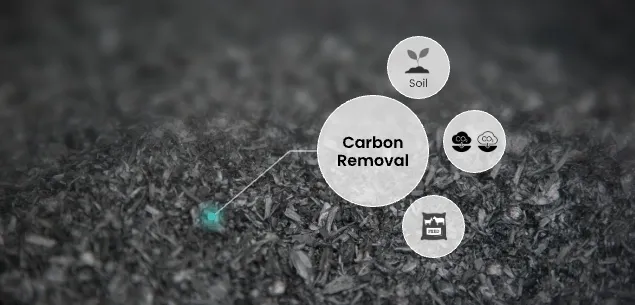
    Biochar is essentially a type of charcoal that is produced by heating organic materials (like wood, agricultural waste, or even municipal solid waste) in a carbonization machine under controlled conditions. This process is known as pyrolysis, and it creates a stable form of carbon that can be sequestered in soil for hundreds to thousands of years.

    The carbonization process locks carbon in a stable form that the environment can store for long periods, making it an effective tool for reducing atmospheric carbon. This stabilization of carbon is crucial in mitigating the effects of climate change, as it prevents the carbon from being released back into the atmosphere as carbon dioxide.

    How Biochar Production Earns Carbon Credits

    Carbon credits are certificates that represent the reduction of one metric ton of carbon dioxide (or its equivalent in other greenhouse gases) from the atmosphere. Organizations that reduce emissions or implement carbon-capturing technologies can earn these credits.

    Biochar production is one such method. When organic waste is converted into biochar, carbon that would have otherwise been released into the atmosphere through decomposition or burning is sequestered in a stable form. This makes biochar an attractive option for companies looking to earn carbon credits and offset their own carbon emissions.

    By using a carbonization machine, businesses can convert waste materials into biochar, while also reducing their carbon footprint. Each ton of biochar produced can earn a corresponding amount of carbon credits, depending on the amount of carbon it sequesters. These credits can be sold in carbon markets or used to offset emissions, providing a financial return for the producer.
    Carbon Credit Market

    The Role of the Carbonization Machine in Biochar Production

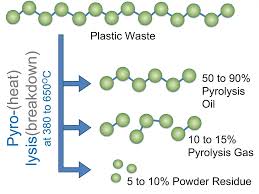
    The carbonization machine is at the heart of biochar production. This specialized equipment heats organic materials in the absence of oxygen, causing them to break down into biochar, bio-oil, and syngas. The high temperature and low-oxygen environment are critical to the formation of stable carbon, which is essential for carbon sequestration.

    In addition to creating biochar, the carbonization machine also generates bio-oil and syngas, which can be used as renewable energy sources. This dual-purpose technology enhances the profitability of biochar production by creating multiple revenue streams from a single process. As a result, businesses can maximize their financial returns from carbon credits and renewable energy sales.

    Why Biochar is a Win-Win for the Environment and Businesses

    Biochar offers a unique opportunity to address two key challenges simultaneously: reducing greenhouse gas emissions and improving soil health. For the environment, biochar provides a long-term solution to sequester carbon and reduce the impact of climate change. When applied to soil, biochar enhances nutrient retention, improves water holding capacity, and promotes soil biodiversity.

    For businesses, the economic benefits are clear. Earning carbon credits from biochar production helps offset emissions, reduces the need for costly carbon taxes, and can create new revenue streams through the sale of carbon credits and renewable energy. Moreover, biochar production aligns with sustainability goals, boosting a company’s green credentials and appealing to eco-conscious consumers.

    The carbonization machine is key to unlocking these benefits, providing an efficient and scalable way to convert waste into a profitable and environmentally beneficial product.

    Conclusion

    The process of earning carbon credits through biochar production is an exciting opportunity for businesses to contribute to environmental sustainability while generating financial returns. The carbonization machine plays a critical role in transforming organic waste into a stable form of carbon that can be stored in soil for years, offering long-term environmental benefits. For businesses, this process not only helps achieve carbon neutrality but also opens up new revenue streams through the sale of carbon credits and renewable energy.

    By investing in biochar production and the carbonization machine, companies can create a win-win scenario—helping the planet while improving their bottom line. It’s a forward-thinking strategy that combines innovation, sustainability, and profitability in one powerful solution.
  • TDU vs. Traditional Oil Sludge Treatment: What’s the Difference?

    Oil sludge – the sticky, hydrocarbon-rich byproduct of oil extraction, refining, and storage – poses a serious environmental and logistical challenge. Over the years, various methods have emerged to treat this waste, from basic landfilling to advanced thermal technologies. One such advanced solution is the thermal desorption unit (TDU).

    But how exactly does a TDU differ from traditional oil sludge treatment methods? Let’s dive into the key differences in technology, efficiency, environmental impact, and economics.

    1. Technology

    Traditional Methods:

    • Stabilization/Solidification: Mixing sludge with cement or other materials to reduce mobility.
    • Biological Treatment: Using microbes to break down hydrocarbons – a slow and weather-dependent process.
    • Incineration: Burning sludge at high temperatures, often releasing harmful emissions unless highly controlled.

    Thermal Desorption Unit (TDU):

    A thermal desorption unit indirectly heats oil sludge (typically 300–600°C) in a sealed environment. Hydrocarbons are vaporized, then condensed and recovered as reusable oil. Solids are separated and often left inert or suitable for landfill.

    Key Difference: TDU separates and recovers oil through controlled thermal processes, while traditional methods typically destroy or immobilize contaminants.

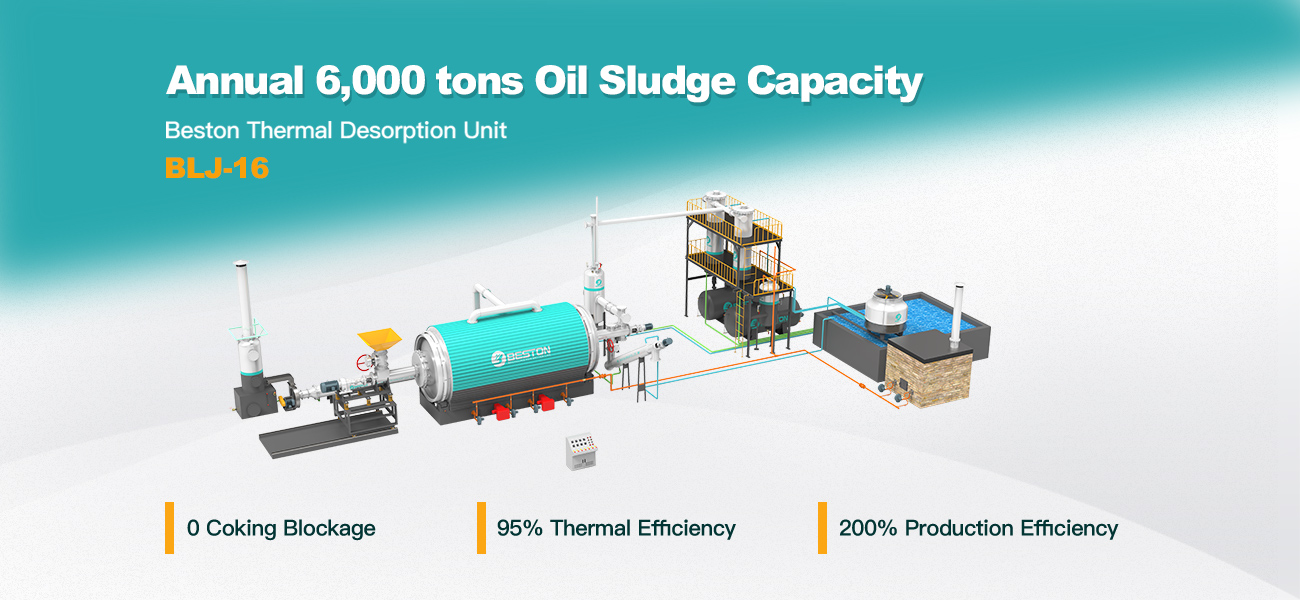
    BLJ-16 Thermal Desorption Unit

    2. Efficiency

    Traditional Methods:

    • Oil recovery is minimal or nonexistent.
    • Treatment times can be long, especially for biological methods.
    • Residue may still contain toxic substances.

    TDU:

    • Can recover up to 60–80% of usable oil depending on the sludge type.
    • High throughput and fast processing.
    • The residual solid is dry, often below regulatory contamination thresholds.

    Key Difference: TDU offers high oil recovery and faster processing with cleaner end products.

    3. Environmental Impact

    Traditional Methods:

    • Risk of groundwater contamination if improperly managed.
    • High CO₂ emissions for incineration.
    • Biological treatment may leave partially degraded hydrocarbons.

    TDU:

    • Closed system minimizes emissions and odor.
    • Reduced waste volume sent to landfills.
    • Supports circular economy by recovering oil for reuse.

    Key Difference: TDU is more environmentally friendly when operated correctly and meets stricter environmental regulations.

    4. Cost and ROI

    Traditional Methods:

    • Lower upfront cost.
    • Long-term costs can be high due to environmental liabilities and non-recovery of resources.

    TDU:

    • Higher capital investment.
    • Generates value through oil recovery and reduced disposal fees.
    • Often pays off in projects with large sludge volumes or strict regulations.

    Key Difference: TDU may cost more initially but offers long-term savings and added value.

    5. Mobility and Scalability

    Traditional Methods:

    • Usually fixed-site facilities or outsourced treatment centers.
    • Less adaptable to remote oilfields.

    TDU:

    • Available in mobile and modular configurations.
    • Ideal for onsite sludge treatment, reducing transport risks and costs.

    Key Difference: TDU systems offer flexible deployment options, even in remote or offshore operations.

    Conclusion: Which Is Right for You?

    The choice between TDU and traditional oil sludge treatment depends on your project scale, regulatory environment, and sustainability goals. If you’re managing large volumes of sludge or aiming for oil recovery and environmental compliance, TDU is a smart, future-ready solution. While traditional methods may still serve niche applications, they’re increasingly being replaced by cleaner, more efficient thermal technologies.

    Looking to implement TDU for your project? Let us help you explore the right configuration for your needs.

  • Unlocking the Potential of Biomass: Pyrolysis and Biochar Explained

    As the global community grapples with climate change, soil degradation, and the need for sustainable waste management, biomass pyrolysis has emerged as a promising solution. By thermochemically converting organic waste into value-added products, pyrolysis offers a circular, low-carbon pathway to manage biomass residues. Among its outputs, biochar stands out for its potential in carbon sequestration, soil improvement, and pollution control.

    What is Biomass Pyrolysis?

    Biomass pyrolysis is a thermal decomposition process that occurs in the absence of oxygen. Unlike combustion, which burns biomass to produce energy, pyrolysis breaks down organic matter at temperatures between 300°C and 700°C, yielding three main products:

    • Biochar: A carbon-rich, solid residue.
    • Bio-oil: A dark, viscous liquid with energy potential.
    • Syngas: A mixture of combustible gases like CO, H2, and CH4.

    The proportions of these products depend on several factors, including the type of biomass, heating rate, and residence time. Pyrolysis can be classified into slow, fast, and flash pyrolysis, each optimized for different outputs.

    What Is Biomass Pyrolysis

    Biochar: The Key Product

    Biochar is more than just charcoal. Produced under controlled pyrolysis conditions, it retains the structural complexity of the original biomass while gaining new physicochemical properties. This makes it uniquely suited for agricultural and environmental applications.

    In agriculture, biochar improves soil fertility, enhances water retention, and promotes microbial activity. When applied to soils, it also stabilizes carbon for hundreds to thousands of years, effectively acting as a carbon sink.

    Biochar Characterization: Why It Matters

    Not all biochars are created equal. Their properties vary widely depending on feedstock (e.g., wood, crop residue, manure) and pyrolysis conditions. So choosing reliable biomass pyrolysis plant is important. Characterization is essential to determine the suitability of a particular biochar for specific applications. Common parameters and techniques include:

    • Proximate and Ultimate Analysis: Determines moisture content, ash, volatile matter, and fixed carbon, as well as elemental composition (C, H, N, O, S).
    • Surface Area and Porosity: Measured using BET (Brunauer–Emmett–Teller) analysis, important for adsorption and nutrient retention.
    • pH and Electrical Conductivity: Affect biochar’s influence on soil acidity and nutrient availability.
    • Fourier Transform Infrared Spectroscopy (FTIR): Identifies functional groups responsible for interactions with soil and contaminants.
    • Scanning Electron Microscopy (SEM): Provides detailed images of the biochar surface and pore structure.

    Applications of Biochar

    Biochar’s versatility has led to a growing number of applications across different sectors:

    • Agriculture: Enhances soil structure, nutrient retention, and crop yield.
    • Wastewater Treatment: Adsorbs heavy metals, dyes, and organic pollutants.
    • Climate Change Mitigation: Stores carbon long-term, reducing greenhouse gas emissions.
    • Livestock Farming: Used as feed additive or bedding to reduce methane emissions and odors.
    • Construction: Incorporated into concrete and asphalt to reduce material emissions.

    Challenges and Future Prospects

    While the promise of biochar is substantial, several challenges remain. Standardizing biochar production and classification, ensuring economic viability, and gaining regulatory approval for various uses are key hurdles. Additionally, large-scale adoption will require strong policy support, public awareness, and integrated research efforts.

    Future innovations may include engineered biochars with customized properties, such as nano-biochar for advanced environmental applications or nutrient-enriched biochars for precision farming.

    Conclusion

    Biomass pyrolysis and biochar production offer a sustainable, multi-benefit solution to some of the world’s most pressing environmental challenges. By turning waste into a high-value resource, this technology supports a greener, more resilient future. As research deepens and technologies mature, biochar may soon become a staple of climate-smart agriculture and circular economy practices.

  • The Coconut Industry’s Hidden Superpower: Pyrolysis Recycling

    Coconuts are more than just a tropical delight—they represent a powerful, sustainable opportunity for recycling and renewable energy. While the coconut industry is already known for its production of oil, milk, and fiber, there’s an often-overlooked byproduct with immense potential: the coconut shell.

    From Waste to Wealth: The Hidden Power of Coconut Shells

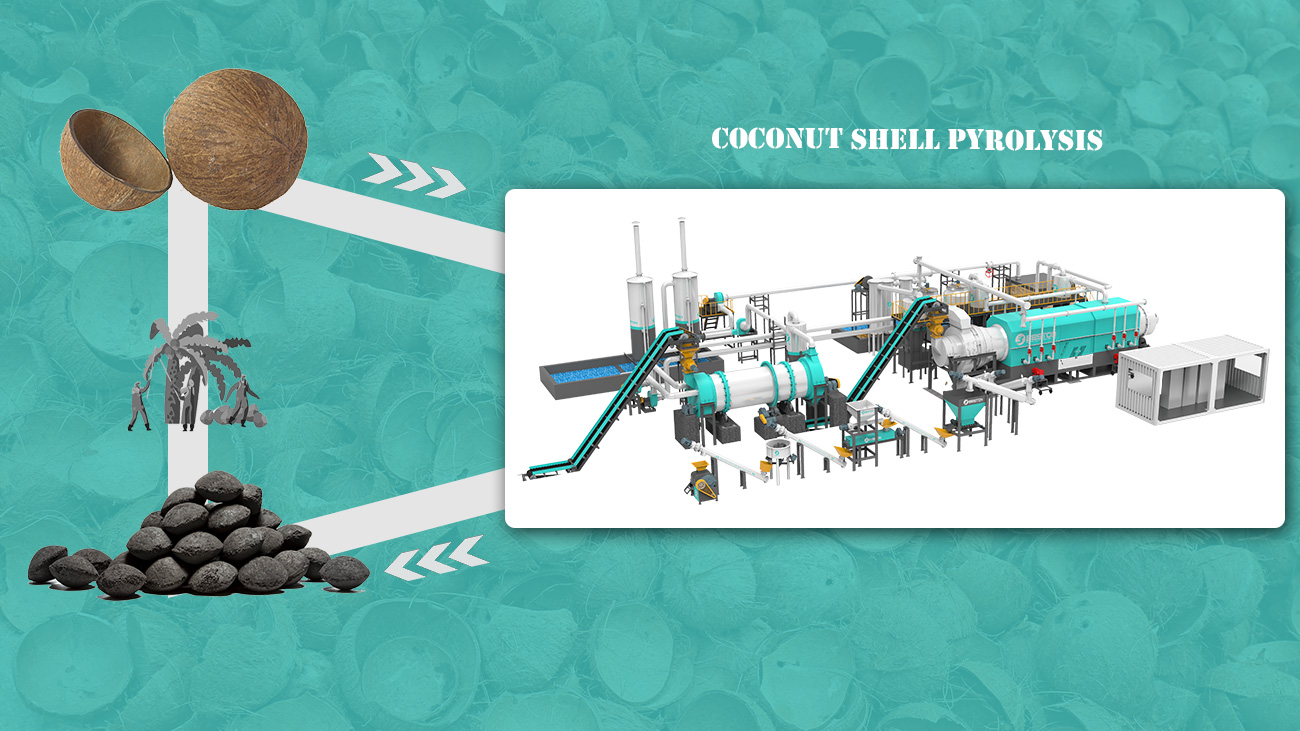
    Every year, millions of tons of coconut shells are discarded as agricultural waste. Traditionally, these shells have been burned or left to rot, contributing to environmental pollution and wasted biomass. However, recent advances in pyrolysis technology have uncovered a new, eco-friendly path for these hard shells: biochar production. This is made possible by the presence of coconut shell charcoal machine.

    Recycle Waste Coconut Shell Through Pyrolysis

    Why Coconut Shells?

    Coconut shells are dense, hard, and rich in lignin, making them an ideal raw material for biochar—a carbon-rich product made by heating biomass in a low-oxygen environment. Unlike other forms of organic waste, coconut shells yield high-quality biochar with excellent porosity and carbon content. This makes them perfect for a range of applications:

    • Soil amendment: Enhancing soil fertility and water retention.
    • Carbon sequestration: Helping combat climate change by locking carbon in the ground.
    • Water filtration: Acting as a natural filter due to its porous structure.
    • Fuel and energy: As a clean-burning, low-emission alternative to traditional charcoal.

    A Circular Economy Opportunity

    Embracing coconut shell pyrolysis creates a closed-loop system in the coconut industry. What was once waste can now be turned into valuable resources, supporting sustainable farming, clean energy, and environmental restoration—all from a single, natural source.

    Countries with strong coconut industries—such as the Philippines, Indonesia, India, and Sri Lanka—stand to gain significantly from investing in this technology. It’s a win for farmers, a win for industry, and a win for the planet.

    Conclusion

    The coconut industry is ripe for innovation. Through pyrolysis recycling, coconut shells can become a driver of sustainability and economic opportunity. It’s time to stop seeing them as waste—and start recognizing their true value.

  • Life Cycle Analysis of Pyrolysis System: Environmental and Economic Perspectives

    As the world turns to more sustainable waste management solutions, pyrolysis systems have emerged as one of the most promising technologies. These systems offer a way to convert waste biomass, plastics, and other organic materials into valuable products such as biochar, pyrolysis oil, and syngas. However, like any technology, pyrolysis is not without its environmental and economic implications. To truly understand the impact of pyrolysis, we must conduct a Life Cycle Analysis (LCA) that looks at the technology from cradle to grave.

    What Is Life Cycle Analysis (LCA)?

    Life Cycle Analysis (LCA) is a systematic method used to assess the environmental and economic impacts associated with all stages of a product’s life, from raw material extraction through production, use, and eventual disposal. The goal of LCA is to evaluate the total burden of a product or process on the environment, economy, and society.

    When applied to a pyrolysis system, LCA considers all stages—starting from the feedstock collection, moving through the pyrolysis process itself, and finally examining the disposal or reuse of the byproducts. It includes an assessment of energy consumption, emissions, and any economic costs or savings throughout the system’s lifecycle.

    Environmental Impact of Pyrolysis Systems

    1. Feedstock Collection and Transportation

    The environmental impact of a pyrolysis system begins with the collection of feedstocks—typically biomass or waste plastics. Biomass is often sourced from agricultural residues, forestry byproducts, or urban waste, while waste plastics can come from municipal solid waste or industrial processes.

    The environmental footprint of this phase includes:

    • Carbon emissions from the transportation of feedstocks.
    • Land use changes when biomass is grown specifically for pyrolysis.
    • Water consumption in the case of irrigated crops used as biomass.

    Although collecting agricultural residues might seem like a minimal impact, long-distance transportation can significantly contribute to the overall environmental footprint of the pyrolysis system. Additionally, sourcing plastic waste often requires sorting and pre-processing, which can be energy-intensive.

    2. Pyrolysis Process

    The actual pyrolysis process is the heart of the technology, where organic waste is heated in the absence of oxygen to break down complex molecules into simpler forms. The efficiency of this stage is influenced by:

    • Energy consumption: Pyrolysis requires significant heat, which is typically generated by burning some of the output gases or external energy sources. If the energy comes from non-renewable sources, this can create a large carbon footprint.
    • Emissions: While pyrolysis generally produces fewer emissions than incineration, it still releases some greenhouse gases (GHGs), such as carbon dioxide (CO₂) and methane (CH₄), which need to be minimized.
    • Waste residues: Some unreacted materials remain after pyrolysis, and handling these residuals responsibly is crucial to reducing the system’s environmental impact.

    Efforts to optimize the process, such as using renewable energy sources or improving pyrolysis system efficiency, can mitigate many of these impacts, but energy use remains a key factor.

    3. Byproduct Management

    Pyrolysis generates three key byproducts: biochar, pyrolysis oil, and syngas.

    • Biochar can be used as a soil amendment, sequestering carbon and enhancing soil fertility, which is a positive environmental benefit. The carbon in biochar remains stable in the soil for hundreds of years, preventing the release of CO₂ into the atmosphere.
    • Pyrolysis oil can replace petroleum-based fuels or be further refined into biofuels. While this reduces dependency on fossil fuels, the refining process often requires additional energy.
    • Syngas, which can be used for energy production, also contributes to the system’s energy balance. However, syngas requires cleaning to remove harmful components like sulfur, which can complicate its environmental footprint.

    The ultimate environmental outcome depends largely on how these byproducts are utilized and whether they replace more carbon-intensive alternatives.

    Economic Considerations of Pyrolysis Systems

    1. Capital and Operational Costs

    The initial capital investment for setting up a pyrolysis system can be high. Costs include purchasing and installing the pyrolysis equipment, setting up infrastructure for feedstock collection and preprocessing, and ensuring compliance with environmental regulations.

    Operational costs also play a major role in the economics of pyrolysis. These include:

    • Energy costs for maintaining high temperatures.
    • Labor and maintenance costs for the equipment.
    • Waste management costs related to handling residues and emissions.

    However, operational costs can be offset if the system operates efficiently and if byproducts like biochar, pyrolysis oil, and syngas are sold or utilized in other industries.

    2. Revenue Streams from Byproducts

    While capital and operational costs are significant, pyrolysis systems have the potential to generate multiple revenue streams from the sale or use of their byproducts:

    • Biochar can be sold to agricultural sectors as a soil amendment or used in carbon markets as a tool for carbon sequestration.
    • Pyrolysis oil can be refined into transportation fuels or industrial feedstocks, replacing petroleum products.
    • Syngas can be used to generate electricity or heat, reducing energy costs or creating a saleable commodity.

    The economic viability of a pyrolysis system heavily depends on the market demand for these products and the system’s ability to produce them in a cost-effective manner.

    3. Return on Investment (ROI)

    While the upfront costs are significant, pyrolysis systems can provide a strong return on investment (ROI) if operated efficiently and scaled properly. The ROI is influenced by:

    • Feedstock availability: The cost and consistency of feedstock supply play a major role in the system’s economic performance.
    • Energy recovery: Efficient energy recovery from syngas can lower operational costs.
    • Byproduct markets: The price of biochar, pyrolysis oil, and syngas fluctuates depending on market conditions, and establishing stable markets for these products is crucial to economic success.

    The balance between environmental benefits and economic costs is crucial in assessing the long-term sustainability of pyrolysis systems.

  • From Biomass to Biochar: A Circular Approach to Waste Valorization

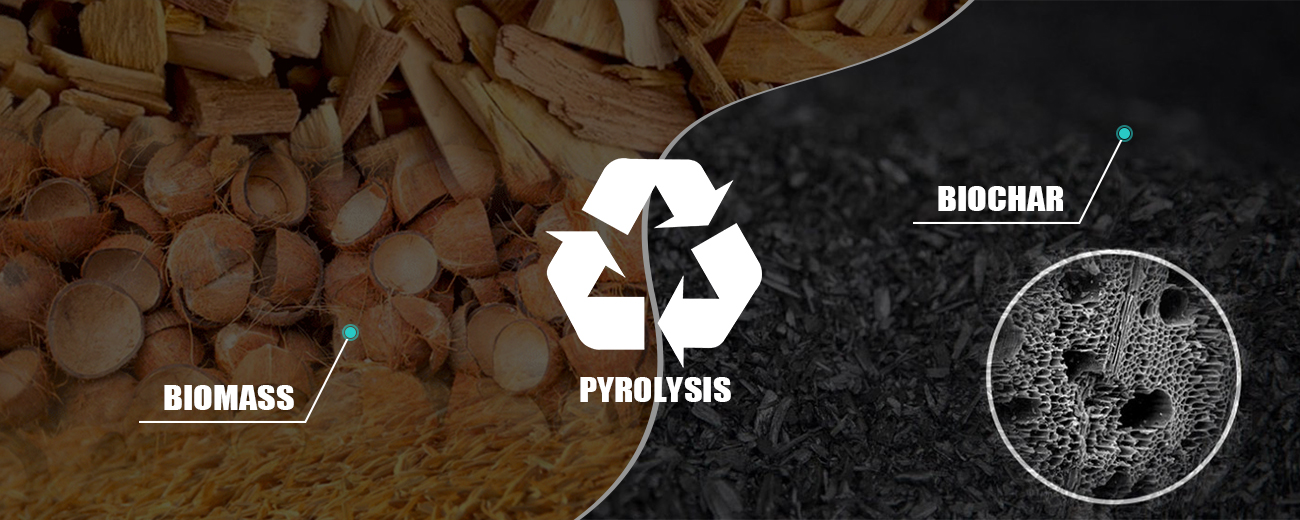
    In the search for sustainable solutions to waste management, the conversion of biomass into biochar has gained significant attention. Biochar, a stable form of carbon produced through pyrolysis, offers a myriad of environmental benefits, such as carbon sequestration, soil enhancement, and waste reduction. This process, however, relies heavily on advanced equipment, notably the charcoal making machine, to ensure efficient and environmentally friendly production. But how does this technology fit into the broader narrative of circular economy and waste valorization?

    The Process of Biomass Conversion to Biochar

    The journey from biomass to biochar begins with the collection of organic waste, such as agricultural residues, wood chips, or even waste from food production. Biomass is then subjected to pyrolysis, where it is heated in the absence of oxygen to temperatures typically between 400°C and 700°C. The heat causes the biomass to decompose into three primary products: biochar (solid), pyrolysis oil (liquid), and syngas (gas).

    For the pyrolysis process to be effective, reliable charcoal making machines are necessary. These machines are designed to control temperature, maximize energy efficiency, and minimize harmful emissions, ensuring that the biochar produced is of high quality and that the process remains sustainable. A well-maintained machine also reduces energy consumption, an essential factor in making this process environmentally viable.

    Biochar’s Role in the Circular Economy

    Biochar is often described as the unsung hero of the circular economy. Once produced, biochar can be used in several ways: as a soil amendment to enhance fertility, as a carbon sink to sequester carbon for centuries, or even as a filtration medium in water treatment processes. Its versatility makes it an essential tool in transitioning from a linear to a circular approach to waste management.

    The production of biochar through pyrolysis also reduces the volume of organic waste sent to landfills, diverting it from decomposition that could otherwise release harmful methane emissions. In this way, the charcoal making machine plays a central role in closing the loop on organic waste, converting it into a stable, useful product.

    Pyrolysis Biochar

    The Environmental Benefits of Biochar Production

    Biochar production is not just a way to manage waste—it also has a significant role in mitigating climate change. The carbon sequestered in biochar is stable for centuries, helping offset greenhouse gas emissions. When produced from waste biomass, biochar represents a form of carbon-negative technology because the carbon it contains would otherwise be released into the atmosphere during natural decomposition processes.

    Additionally, by using charcoal making machines powered by renewable energy sources, the carbon footprint of the pyrolysis process itself can be significantly reduced. This integration with clean energy systems helps ensure that the biochar production process remains within the principles of a sustainable circular economy.

    The conversion of biomass into biochar through pyrolysis offers a promising solution to some of the world’s most pressing environmental challenges. By embracing circular economy principles and optimizing the use of charcoal making machines, we can not only reduce waste but also produce valuable products that enhance soil health, sequester carbon, and help fight climate change. The path forward involves scaling up technologies, addressing challenges, and continuing innovation in order to fully unlock the potential of biochar in a sustainable future.

  • Continuous Plastic Pyrolysis Plant: Enhanced Automation for a Greener Future

    In recent years, plastic waste has become a critical environmental concern. As landfills overflow and oceans suffer, the demand for sustainable plastic recycling solutions is growing rapidly. Among the emerging technologies, continuous plastic pyrolysis plants stand out for their ability to convert plastic waste into valuable resources like fuel oil, carbon black, and gas. Now, with enhanced automation, these systems are becoming even more efficient, safe, and cost-effective.

    What is Continuous Plastic Pyrolysis?

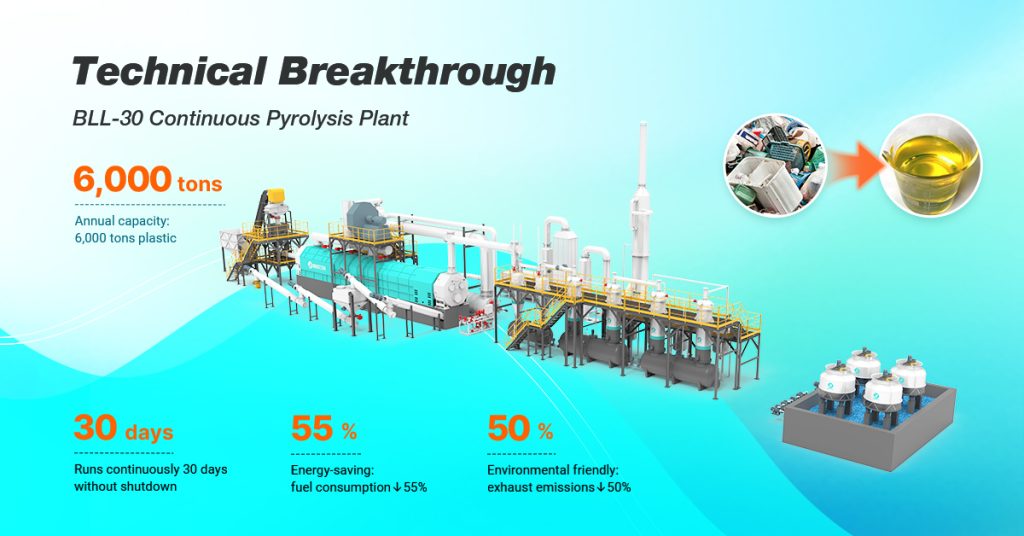
    Pyrolysis is a thermochemical process that breaks down plastic waste in the absence of oxygen. Unlike batch pyrolysis systems, continuous plastic pyrolysis plants operate non-stop, allowing for higher throughput and less manual intervention. Plastic waste is continuously fed into the reactor, and products are extracted in a streamlined flow.

    BLL-30-Continuous-Pyrolysis-Plant

    The Role of Automation

    Automation is revolutionizing how pyrolysis plants operate. Here’s how enhanced automation improves the process:

    1. Automated Feeding and Discharging

    Modern systems use conveyor belts, shredders, and screw feeders to transport plastic waste directly into the reactor. Similarly, char and liquid products are automatically separated and collected, minimizing labor and exposure risks.

    2. Real-Time Monitoring and Control

    Sensors and advanced control systems constantly monitor temperature, pressure, and gas composition. Operators can use a central control panel or SCADA system to make precise adjustments, ensuring optimal pyrolysis conditions and maximum yield.

    3. Energy Optimization

    Automated systems help reuse the syngas generated during pyrolysis as a fuel source for the reactor, reducing external energy consumption. Smart energy management further enhances efficiency and lowers the carbon footprint.

    4. Safety Enhancements

    Automation helps detect anomalies such as pressure surges or temperature spikes in real time, triggering automatic shut-off or alarms. This drastically reduces the risk of accidents and ensures compliance with environmental and safety regulations.

    Benefits of Enhanced Automation

    • Increased Throughput: Continuous operation and minimal downtime.
    • Lower Operating Costs: Reduced labor and energy costs.
    • Consistent Product Quality: Precise control over reaction parameters.
    • Greater Environmental Compliance: Lower emissions and safer waste handling.
    • Scalability: Easier to expand or integrate into larger waste management systems.

    The Future of Pyrolysis is Automated

    As plastic waste continues to pose global challenges, continuous pyrolysis with enhanced automation offers a smart, scalable, and sustainable solution. With ongoing advancements in AI, IoT, and process engineering, the future of plastic recycling looks increasingly automated—and promising.

  • Oil Sludge Pyrolysis: A Game-Changer for Long-Term Ecological Improvement

    In the global pursuit of environmental sustainability, the management of industrial waste has become a critical challenge—especially when it comes to oil sludge. A byproduct of oil extraction, refining, and storage, oil sludge is a toxic mixture of hydrocarbons, heavy metals, and solid particles. If left untreated, it seeps into soil, contaminates groundwater, and releases harmful greenhouse gases, posing long-term threats to ecosystems and human health. Fortunately, oil sludge treatment plant equipped with pyrolysis technology has emerged as a powerful solution, transforming this hazardous waste into a driver of ecological recovery. This blog explores how oil sludge pyrolysis, supported by advanced oil sludge treatment plant, safeguards the environment for generations to come.​

    First and foremost, oil sludge pyrolysis addresses the root of ecological harm by eliminating toxic contaminants— a process made efficient and scalable by modern oil sludge treatment plant. Unlike traditional disposal methods such as landfilling or incineration (which release toxins into air and soil), pyrolysis uses high temperatures in an oxygen-free environment to break down oil sludge into three valuable products: pyrolysis oil (a renewable fuel), syngas (a clean energy source), and solid residue (a non-toxic material). Oil sludge treatment plant are designed to control every stage of this process, from feeding oil sludge into sealed reactors to filtering emissions, ensuring zero toxic leakage. For example, in coastal regions where oil refineries often discharge sludge into nearby waters, oil sludge treatment plant prevent marine life deaths and coral reef degradation by intercepting sludge before it reaches sensitive habitats. Over time, this reduces soil and water contamination, allowing plants and aquatic organisms to thrive again.​

    Moreover, oil sludge treatment plant turn waste into resources, supporting a circular economy that minimizes ecological footprint. The pyrolysis oil produced can replace fossil fuels in industrial boilers or be refined into diesel, reducing reliance on non-renewable energy and cutting carbon emissions. Syngas, a mixture of hydrogen and methane, can power the oil sludge treatment plant itself, making the process energy self-sufficient and lowering operational costs. Even the solid residue, rich in carbon and minerals, can be used as a soil amendment to improve fertility—helping to restore degraded lands that were once contaminated by oil sludge. This “waste-to-resource” model not only reduces the need for landfills (which take decades to decompose and release methane) but also creates a sustainable cycle that benefits both the environment and local economies. For instance, in oil-producing regions like the Middle East or North America, oil sludge treatment plant have created jobs in waste management and renewable energy, while also healing damaged ecosystems.​

    Another key advantage of oil sludge pyrolysis, enabled by advanced oil sludge treatment plant, is its long-term impact on climate change mitigation. Oil sludge, if left to decompose in landfills, releases methane—a greenhouse gas 28 times more potent than carbon dioxide over a 100-year period. By processing oil sludge in oil sludge treatment plant, we prevent methane emissions and instead generate low-carbon energy. Additionally, the solid residue from pyrolysis can sequester carbon in soil when used as a soil additive, further reducing atmospheric carbon levels. Studies show that a single oil sludge treatment plant processing 10,000 tons of oil sludge annually can reduce greenhouse gas emissions by up to 5,000 tons of CO₂ equivalents—equivalent to taking 1,000 cars off the road each year. Over decades, this cumulative effect plays a significant role in slowing global warming and protecting vulnerable ecosystems like polar ice caps and rainforests.​

    Furthermore, oil sludge treatment plant are adaptable to different environments, ensuring ecological protection across diverse regions. Whether in remote oil fields, urban industrial zones, or coastal areas, modern oil sludge treatment plant can be customized to handle varying volumes and compositions of oil sludge. Mobile oil sludge treatment plant, for example, are used in disaster scenarios—such as oil spills—to quickly process contaminated sludge, preventing the spread of toxins and minimizing short-term ecological damage. In developing countries, where waste management infrastructure is often limited, small-scale oil sludge treatment plant provide local communities with an affordable way to treat sludge, reducing health risks and preserving agricultural lands. This adaptability ensures that no region is left behind in the global effort to improve long-term ecological health.​

    In conclusion, oil sludge pyrolysis is more than just a waste management technique—it is a long-term investment in ecological sustainability. At the heart of this solution lies the oil sludge treatment plant, which enables efficient, safe, and resourceful processing of oil sludge. By eliminating toxins, creating renewable energy, mitigating climate change, and adapting to diverse environments, oil sludge treatment plant are paving the way for healthier ecosystems, cleaner water, and more sustainable communities. As the world continues to grapple with industrial waste and climate change, investing in advanced oil sludge treatment plant and promoting oil sludge pyrolysis will be essential steps toward building a greener, more resilient future for generations to come.

  • The Molecular Decomposition Journey Inside a Biomass Carbonization Machine

    In the push toward renewable energy and sustainable materials, biomass carbonization machines have emerged as a cornerstone technology. These systems transform organic waste—such as agricultural residues, sawdust, coconut shells, or rice husks—into valuable carbon-rich products like biochar, charcoal, or activated carbon. But behind the blackened output lies a fascinating world of molecular transformations, where heat and chemistry work hand in hand to reshape the very structure of matter.

    What Is Biomass Carbonization?

    At its core, carbonization is the thermal decomposition of organic material in a low-oxygen environment. Unlike open burning, which allows full combustion and converts biomass mainly into CO₂ and ash, carbonization restricts oxygen so that volatile compounds are released without complete oxidation. The result is a solid carbon structure that retains much of the original biomass’s skeleton—yet has undergone dramatic molecular change.

    The Molecular Phases of Carbonization

    The molecular decomposition process inside a biomass carbonization machine can be divided into four main stages: drying, pyrolysis, carbonization, and solid stabilization. Each step is driven by temperature, time, and the chemical makeup of the feedstock.

    1. Drying (Below 200°C)

    The process begins gently. Biomass typically contains 10–50% moisture, which must evaporate before true decomposition begins. Water molecules are released as vapor, breaking weak hydrogen bonds that tie them to cellulose and hemicellulose structures. Though no major molecular rearrangement happens yet, this step sets the stage for the more intense reactions to come.

    2. Pyrolysis (200–400°C)

    As the temperature climbs above 200°C, pyrolysis begins—the heart of the transformation. Long polymeric chains of cellulose, hemicellulose, and lignin start to crack apart.

    • Cellulose, a linear polysaccharide, depolymerizes into smaller molecules like levoglucosan and other anhydrosugars.
    • Hemicellulose, more thermally unstable, decomposes earlier, releasing carbon dioxide, acetic acid, and tars.
    • Lignin, the most complex of the three, breaks down more slowly, yielding phenolic compounds and aromatic hydrocarbons.

    During this stage, volatile organic compounds (VOCs) and gases—such as CO, CH₄, and H₂—are released, while the remaining solid residue becomes richer in carbon. The process is endothermic, absorbing heat as bonds break and molecules rearrange.

    Biomass Carbonization Machine

    3. Carbonization (400–700°C)

    Now, the real alchemy occurs. As temperatures approach 500°C and above, secondary reactions dominate. Tar vapors and remaining volatiles undergo dehydrogenation, condensation, and polymerization, leading to the formation of stable aromatic carbon structures.

    This is where the material truly becomes charcoal. Hydrogen and oxygen atoms are progressively expelled as water (H₂O), carbon monoxide (CO), and carbon dioxide (CO₂). What remains is a porous, carbon-dense lattice made of polycyclic aromatic carbon rings—similar to those found in graphite.

    At the molecular level, this phase represents a transformation from a mixed organic polymer network to a quasi-crystalline carbon domain. The ratio of carbon to hydrogen (C/H) and carbon to oxygen (C/O) dramatically increases, signifying a shift toward greater chemical stability and energy density.

    4. Solid Stabilization and Cooling

    Once the carbon skeleton has formed, the machine gradually reduces temperature to prevent re-oxidation. As it cools, reactive sites on the char’s surface may attract trace oxygen, forming functional groups such as hydroxyl (-OH), carbonyl (C=O), and carboxyl (-COOH). These surface features give biochar its ability to adsorb nutrients, heavy metals, and pollutants—making it not only an energy source but also a valuable tool for soil enhancement and water purification.

    The Role of Controlled Environment

    A biomass carbonization machine ensures that these reactions unfold in a precisely controlled environment. By regulating temperature, residence time, and oxygen input, operators can tune the process to produce specific outcomes—whether a highly porous biochar for agriculture or a dense charcoal for fuel. The machine’s airtight reactor prevents external oxygen from triggering combustion, allowing decomposition to proceed purely through thermal chemistry rather than flame oxidation.

    From Molecules to Meaning

    What makes biomass carbonization so remarkable is not just its efficiency, but its molecular elegance. It demonstrates how natural polymers—once part of living tissue—can be transformed into stable carbon structures that last for centuries. The process is, in essence, a modern echo of what nature has done for millions of years: converting organic matter into carbon through slow geological heating, as in the formation of coal. The carbonization machine simply accelerates that timeline to a matter of hours.

    Conclusion

    The molecular decomposition within a biomass carbonization machine is a story of transformation—from living carbon to elemental carbon, from instability to endurance. It is a dance of energy, atoms, and time, yielding materials that help close the carbon cycle sustainably. By mastering the science of molecular breakdown, we not only unlock cleaner fuels and smarter materials but also step closer to a circular, low-carbon future.

  • Understanding the Optimal Conditions for Waste Plastic Pyrolysis

    Plastic waste is a major environmental challenge, but one innovative solution is pyrolysis, a process that converts plastic into fuel, gas, or valuable chemicals. While the concept is simple—heating plastic in the absence of oxygen—the success of pyrolysis depends heavily on the process conditions. Understanding these conditions is essential to optimize efficiency, fuel quality, and environmental safety.

    1. Temperature

    Temperature is the most critical factor in plastic pyrolysis. Different plastics decompose at different temperatures, but generally:

    • Low-temperature pyrolysis (300–400°C): Produces more liquid fuel and waxy residues.
    • Medium-temperature pyrolysis (400–500°C): Balances liquid fuel and gaseous products.
    • High-temperature pyrolysis (>500°C): Produces more gas and fewer liquids; often used when syngas production is the goal.

    Precise temperature control ensures maximum fuel yield and prevents unwanted by-products.

    2. Heating Rate

    The heating rate—how quickly the plastic reaches the target temperature—affects the type and quality of the products:

    • Slow heating: Produces more liquid fuel and char.
    • Fast heating: Favors gas production and reduces solid residue.

    Choosing the right heating rate depends on the desired output: liquid fuel or combustible gas.

    3. Reaction Time

    Residence time is the duration the plastic stays in the pyrolysis reactor at high temperature:

    • Shorter times: Reduce char formation and favor liquid and gas products.
    • Longer times: Increase solid residues but may improve cracking of larger molecules for higher-quality fuel.

    Balancing time is crucial for optimizing fuel yield and reactor efficiency.

    4. Pressure and Atmosphere

    Pyrolysis requires an oxygen-free environment to prevent combustion. Most systems operate at:

    • Atmospheric pressure: Simpler and safer for small-scale setups.
    • Slightly reduced pressure or vacuum: Helps control the reaction, reduce side reactions, and improve liquid fuel yield.

    Nitrogen or another inert gas is often used to create a safe, oxygen-free atmosphere.

    5. Catalyst Use

    Adding catalysts can enhance the plastic pyrolysis process by:

    • Lowering the required reaction temperature
    • Improving liquid fuel yield
    • Producing fuels with better quality, such as higher calorific value or fewer impurities

    Common catalysts include zeolites, alumina, or silica-based materials.

    6. Type of Plastic

    Different plastics behave differently under pyrolysis:

    • Polyethylene (PE) & Polypropylene (PP): High liquid fuel yield, relatively easy to process.
    • Polystyrene (PS): Produces high-quality liquid fuel but can foam and complicate reactor operation.
    • PVC & PET: Release harmful gases like HCl or require pretreatment.

    Proper sorting and pretreatment are essential for safe and efficient pyrolysis.

    Conclusion

    Waste plastic pyrolysis is more than just heating trash—it’s a precise chemical process where temperature, heating rate, residence time, pressure, catalysts, and plastic type all play critical roles. Optimizing these conditions ensures high-quality fuel, minimizes environmental risks, and makes the process economically viable.

    As research continues, pyrolysis technology is becoming a key tool for turning plastic waste from an environmental problem into a sustainable energy resource.