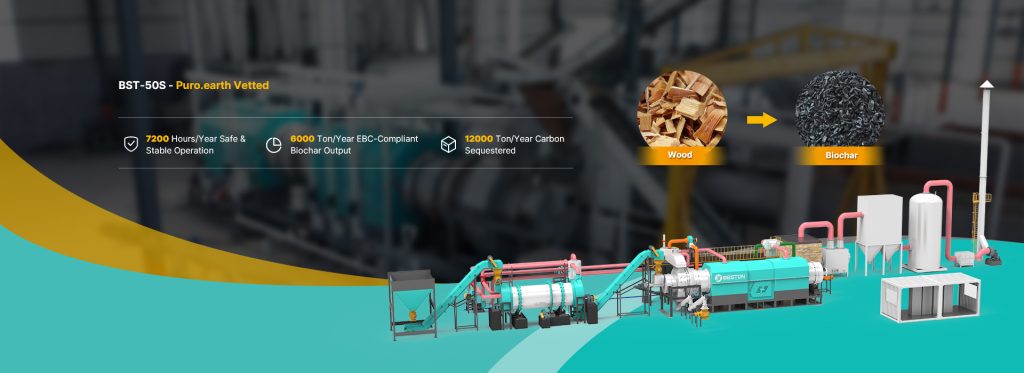
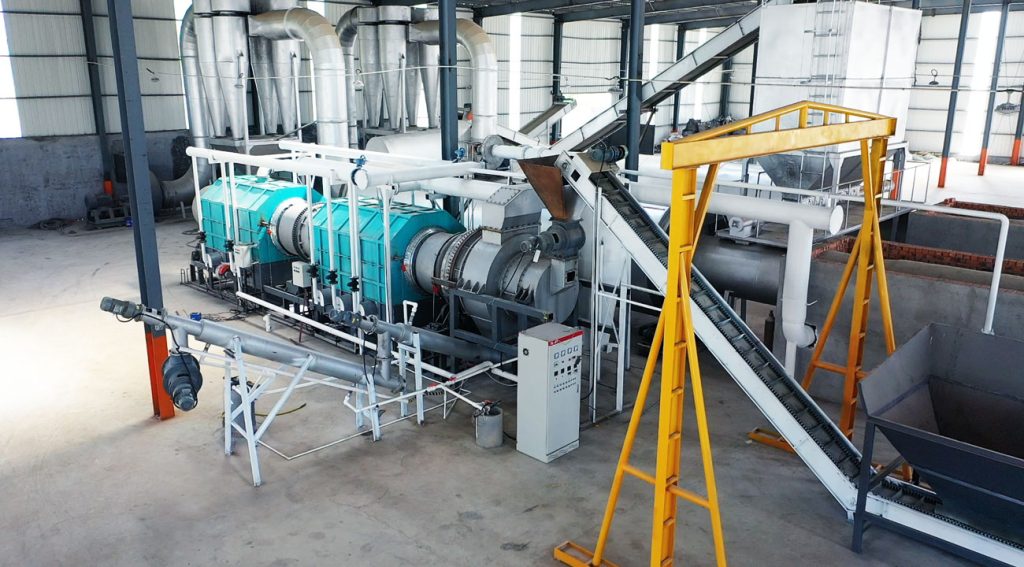
As the global shift towards renewable energy accelerates, biomass carbonization technology has emerged as a vital solution for converting agricultural and forestry wastes—such as crop straw, wood chips, and sawdust—into high-value biochar, syngas, and bio-oil. However, the stable performance, safety, and operational efficiency of biomass carbonization equipment rely heavily on scientific daily operation and management. This blog explores the core points of daily operation, helping operators optimize processes and maximize the equipment’s lifespan and productivity.
Pre-Operation Preparation: Lay the Foundation for Safe Operation
Thorough pre-operation checks are the first line of defense to avoid equipment failures and safety hazards. Operators should follow a standardized checklist to ensure all components are in optimal condition before starting the machine.
First, raw material inspection and pretreatment are essential. Biomass materials must meet the equipment’s requirements for particle size (usually 3-50mm), moisture content (15%-25% is ideal), and purity—any metal, stone, or other hard impurities should be removed to prevent wear on the feeding system and carbonization chamber. Uneven particle size or excessive moisture can lead to incomplete carbonization, reduced biochar quality, and even blockages in the feeding pipeline.
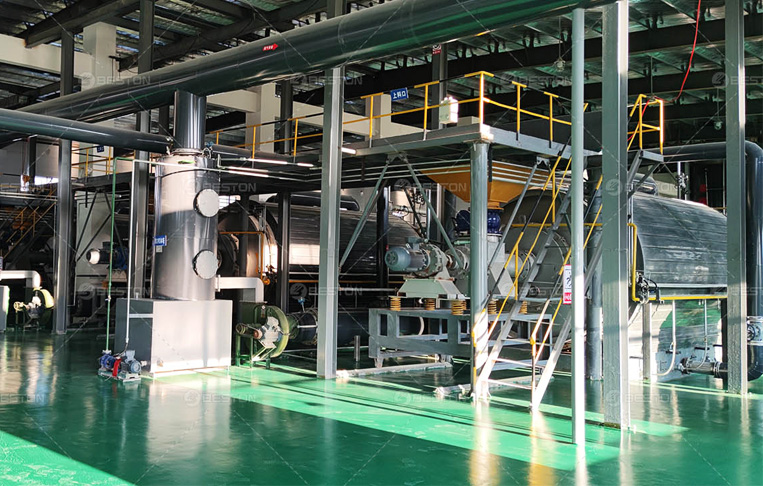
Second, conduct a comprehensive equipment inspection. Check the tightness of connections in the feeding system, carbonization chamber, gas pipeline, and cooling system—loose joints may cause gas leakage or heat loss. Verify that the transmission components (such as motors, reducers, and chains) are lubricated properly; insufficient lubrication can increase friction, damage parts, and reduce operational efficiency. Additionally, test the safety devices, including temperature sensors, pressure gauges, and emergency stop buttons, to ensure they are functioning accurately and reliably.
Finally, prepare the auxiliary systems. Ensure the cooling water supply is sufficient and the pipeline is unobstructed, as effective cooling is crucial for condensing syngas and protecting the equipment from overheating. Confirm that the dust removal system (e.g., cyclone separators or bag filters) is clean and operational to reduce air pollution and prevent dust accumulation in the equipment.
In-Operation Control: Master Key Parameters for Optimal Performance
During the operation of biomass carbonization equipment, precise control of core parameters directly affects product quality and equipment stability. Operators should monitor and adjust parameters in real time based on the type of biomass and desired end products.
The most critical parameter is carbonization temperature. Different biomass materials require specific temperature ranges—generally between 400°C and 600°C for biochar production. Too low a temperature results in under-carbonized biomass with low calorific value, while excessive temperature may cause combustion of biochar and reduce yields. Use high-precision temperature sensors to monitor the temperature in the carbonization chamber and adjust the heating rate or fuel supply accordingly to maintain a stable temperature.
Second, control the feeding rate and residence time. The feeding rate should match the carbonization efficiency of the equipment—too fast a rate leads to insufficient carbonization, while too slow reduces production capacity. The residence time of biomass in the carbonization chamber (usually 2-4 hours) should be adjusted based on particle size and moisture content; larger particles or higher moisture require longer residence time to ensure complete decomposition.
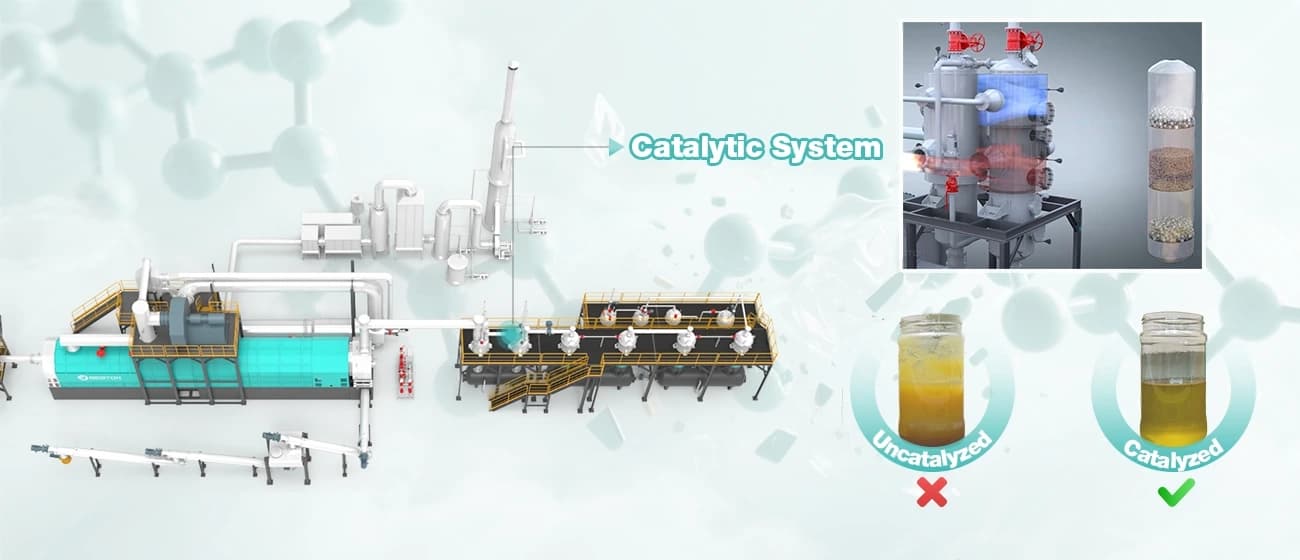
Third, manage the syngas recovery system. Syngas generated during carbonization can be reused as fuel to heat the carbonization chamber, improving energy efficiency. Monitor the gas flow rate and composition, and adjust the gas purification and combustion systems to ensure stable combustion and avoid gas accumulation, which may cause explosions. Regularly clean the gas filter to prevent clogging by tar and impurities, which can affect gas flow and combustion efficiency.
Post-Operation Maintenance: Extend Equipment Lifespan
Proper post-operation maintenance is essential to reduce equipment wear, avoid unexpected failures, and extend its service life. Operators should follow a strict maintenance routine after shutting down the equipment.
First, perform equipment cleaning. After the carbonization chamber cools down completely (to avoid burns), remove residual biochar and ash from the chamber, feeding system, and discharge port. Use specialized tools to clean tar deposits in the gas pipeline and condenser—tar accumulation can block pipelines, reduce heat transfer efficiency, and corrode equipment. Clean the dust removal system and dispose of collected dust and impurities in accordance with environmental regulations.
Second, conduct component inspection and maintenance. Check the wear condition of the carbonization chamber lining, feeding screw, and discharge mechanism—replace worn parts in a timely manner to prevent further damage. Re-lubricate transmission components and tighten loose connections. Inspect the cooling system for scaling and clean the pipeline if necessary to ensure efficient heat exchange.
Finally, record and analyze operational data. Document key parameters such as temperature, feeding rate, product yield, and energy consumption during each operation cycle. This data helps identify potential issues (e.g., gradual temperature fluctuations indicating sensor errors) and optimize operational processes for better efficiency and product quality. Establish a maintenance log to track the replacement of parts and maintenance activities, facilitating scheduled maintenance.
Safety and Environmental Compliance: Non-Negotiable Priorities
Safety and environmental protection are integral to the daily operation of biomass carbonization equipment, requiring strict adherence to regulations and operational norms.
In terms of safety, operators must wear personal protective equipment (PPE), including heat-resistant gloves, goggles, and protective clothing, to avoid burns and dust inhalation. Strictly prohibit open flames near the equipment, especially in the gas storage and purification area. Install gas detectors to monitor for leaks of flammable syngas, and ensure the operation site is equipped with fire extinguishers and other fire-fighting equipment. In case of abnormal conditions (e.g., excessive pressure, temperature spikes, or gas leaks), immediately activate the emergency stop button and follow the pre-established emergency response plan.
For environmental compliance, ensure the dust removal and waste gas treatment systems are operating effectively to meet local emission standards. Properly dispose of waste materials such as ash and tar—biochar ash can be used as a soil amendment, while tar should be collected and treated by professional institutions to avoid soil and water pollution. Regularly inspect and maintain environmental protection equipment to prevent emission violations.
Conclusion
The daily operation of biomass carbonization equipment is a systematic process that requires careful preparation, precise control, and diligent maintenance. By adhering to the norms of pre-operation checks, in-operation parameter control, and post-operation maintenance, operators can not only ensure safe and stable equipment operation but also improve production efficiency, optimize product quality, and extend the equipment’s lifespan. As biomass carbonization plays an increasingly important role in the circular economy, scientific daily operation will be the key to unlocking its full potential—turning waste biomass into valuable resources while protecting the environment.