Category: Uncategorized

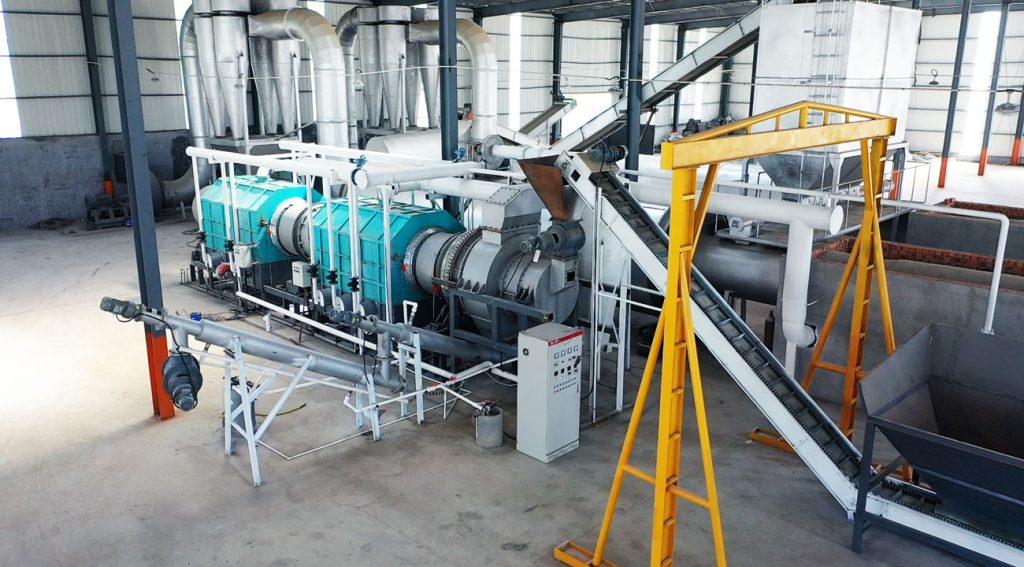
  • Launching a New Oil Sludge Thermal Desorption Project: Turning Waste into Opportunity

    Industrial activities, especially in the oil and petrochemical sectors, generate large amounts of oil sludge, a hazardous waste containing hydrocarbons, heavy metals, and water. Improper disposal can harm the environment and public health. To address this, a new oil sludge thermal desorption project has recently been launched, aiming to treat oil-contaminated waste efficiently and sustainably.

    What is Thermal Desorption?

    Thermal desorption is a process that uses heat to separate contaminants, like oil, from solid or semi-solid materials. Unlike incineration, thermal desorption unit does not burn the sludge; instead, it heats the material to vaporize organic pollutants, which can then be collected, condensed, and reused as fuel or raw material. The treated solids are safer for disposal or can sometimes be recycled.

    Why Launch This Project?

    The new project is a response to growing environmental regulations and the need for sustainable waste management in the oil industry. Key goals include:

    • Reducing environmental impact: Prevents oil sludge from contaminating soil and water.
    • Resource recovery: Reclaims valuable hydrocarbons for reuse.
    • Regulatory compliance: Meets stricter government standards for hazardous waste treatment.
    • Economic efficiency: Converts waste into a usable product, creating potential revenue streams.

    Key Features of the Project

    • State-of-the-Art Thermal Desorption Units – Advanced reactors capable of handling large volumes of oil sludge efficiently.
    • High Recovery Rates – Optimized heating and condensation processes ensure maximum recovery of hydrocarbons.
    • Safety and Emission Control – Equipped with modern filtration and emission-control systems to minimize environmental risks.
    • Automated Monitoring – Real-time data on temperature, residence time, and output to ensure consistent performance.

    Environmental and Industrial Impact

    The project not only improves waste management practices but also contributes to a circular economy. By turning hazardous sludge into recoverable fuel or raw materials, it reduces reliance on fossil resources and minimizes waste-related pollution. Local communities benefit from safer environments, while industries gain a sustainable approach to waste treatment.

    Looking Ahead

    This oil sludge thermal desorption project represents a significant step toward cleaner and more sustainable industrial practices. With continuous monitoring, optimization, and scaling, it could serve as a model for similar initiatives worldwide, transforming waste management from a regulatory burden into a source of value.

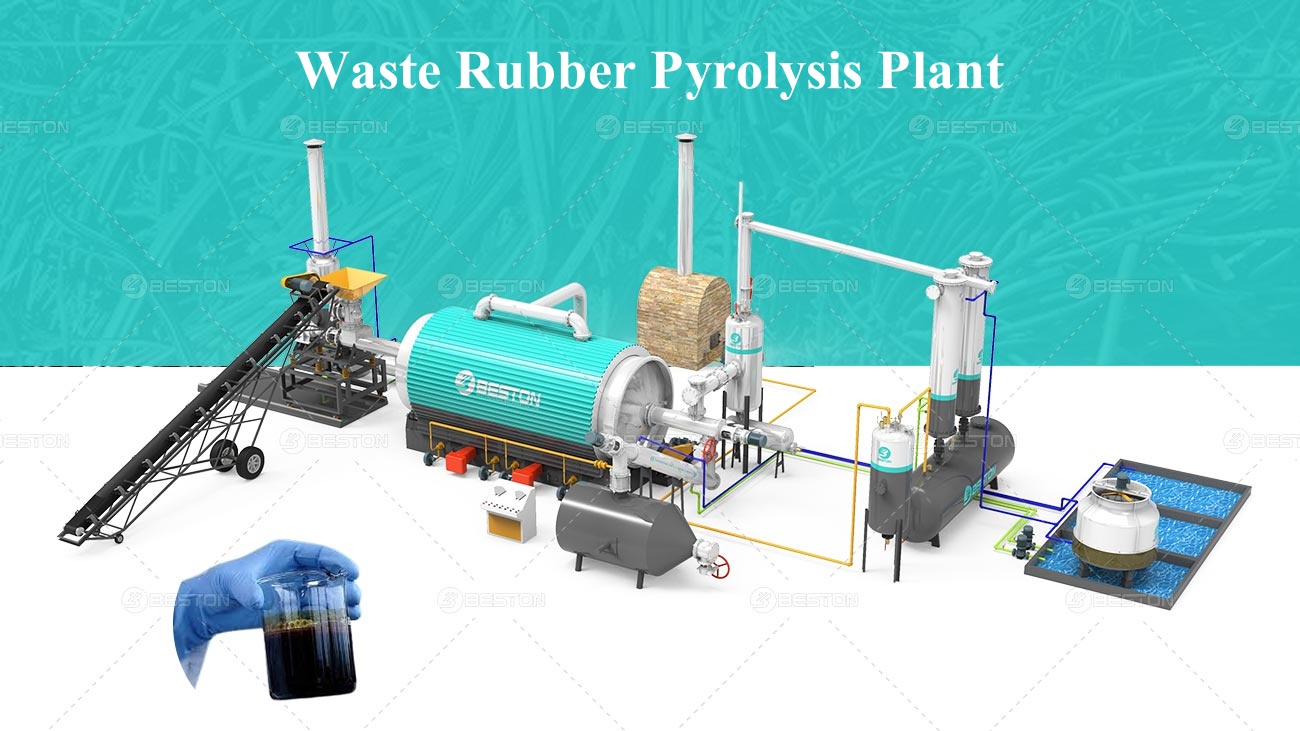
  • Which Countries Could Benefit Most from Tire Pyrolysis Technology?

    End-of-life tires are a growing environmental challenge worldwide. Millions of tires are discarded every year, taking up landfill space, creating fire hazards, and releasing harmful chemicals if improperly handled. Tire pyrolysis technology provides an effective solution, converting waste tires into pyrolysis oil, carbon black, steel, and syngas, which can be reused in industry or as alternative fuels.

    Waste-Rubber-Pyrolysis-Plant

    Countries with High Potential

    1. United States

    With one of the highest numbers of vehicles globally, the U.S. generates millions of scrap tires each year. Tire pyrolysis machine could help manage this waste sustainably while producing valuable resources.

    2. China

    China’s rapidly growing vehicle fleet produces massive quantities of scrap tires annually. Pyrolysis technology can support environmental policies by reducing landfill use and converting tires into energy and materials.

    3. India

    India’s expanding automobile market is creating increasing volumes of end-of-life tires. Implementing pyrolysis plants can provide a circular economy solution while reducing the environmental burden of discarded tires.

    4. Brazil

    As Latin America’s largest country by population and vehicles, Brazil faces challenges in tire disposal. Tire pyrolysis machine can process scrap tires efficiently, providing both environmental and economic benefits.

    5. Germany

    Germany has a mature automotive market and strict environmental regulations. Tire pyrolysis offers a way to recover materials and energy from scrap tires while meeting sustainability targets.

    Why Tire Pyrolysis is Useful

    • Environmental Protection: Reduces tire stockpiles and landfill waste.
    • Resource Recovery: Converts tires into fuel oil, carbon black, steel, and gas.
    • Economic Benefits: Creates revenue from otherwise wasted materials.
    • Scalable: Systems can be designed for medium or large-scale operations.

    Conclusion

    Countries with large vehicle fleets and significant tire waste—such as the United States, China, India, Brazil, and Germany—stand to gain the most from tire pyrolysis technology. By transforming waste tires into valuable products, these countries can address environmental challenges, recover resources, and move toward a more sustainable circular economy.

  • Why It’s Better to Pelletize EFB Before Carbonization

    Empty Fruit Bunches (EFB), a byproduct of palm oil production, are widely recognized as a promising biomass resource. However, when it comes to carbonization, handling raw EFB directly is not always the most efficient approach. Instead, pelletizing EFB before carbonization offers several key advantages in terms of efficiency, quality, and equipment performance.

    1. Improved Density and Uniformity

    Raw EFB is loose, fibrous, and bulky, making it difficult to process in carbonization equipment. By pelletizing first, the material becomes denser and more uniform in size and shape. This consistency ensures better feeding into the carbonization reactor and prevents blockages or uneven heating.

    2. Higher Carbonization Efficiency

    Pelletized EFB has a more predictable structure, which allows heat to penetrate evenly during carbonization. As a result, the process becomes faster and more energy-efficient. More uniform heating also leads to a higher yield of high-quality charcoal.

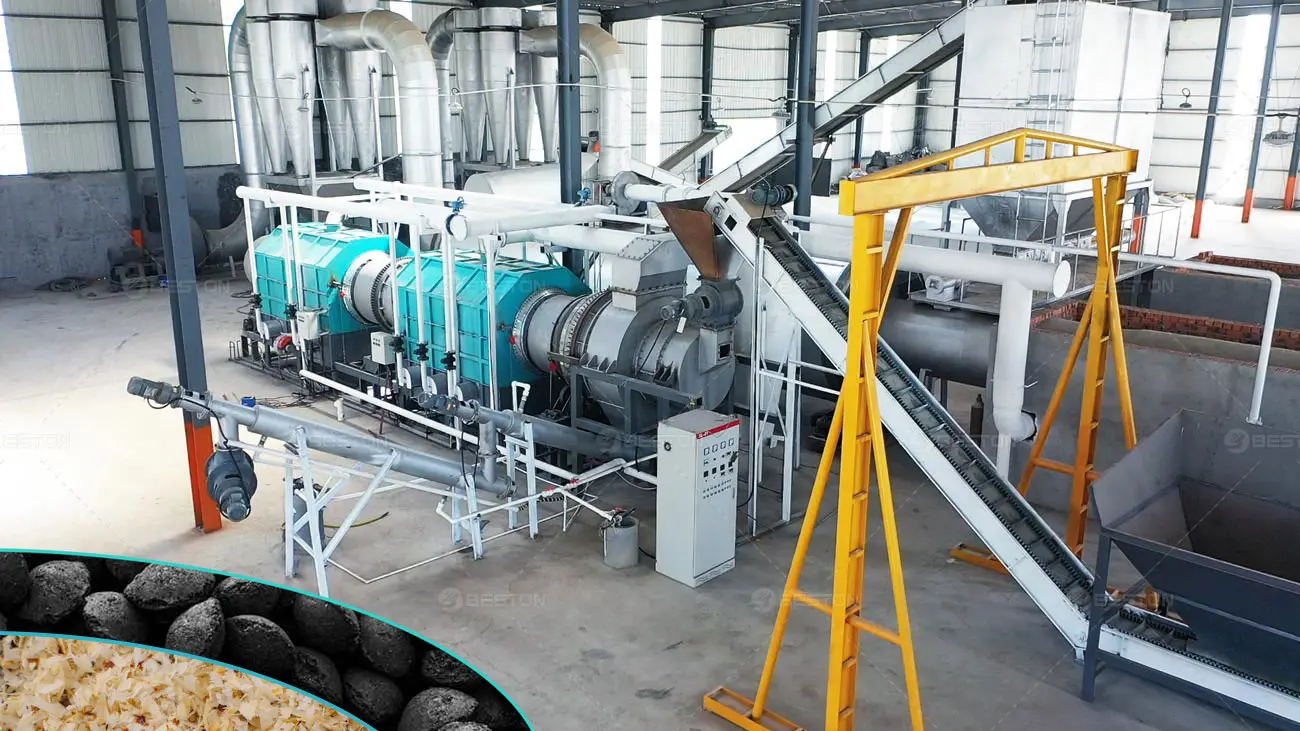
    Beston-Carbonizer-Machine-for-Sale

    3. Reduced Transportation and Storage Costs

    Pellets take up less space and are easier to handle compared to raw EFB. This means reduced costs for transportation and storage, which can significantly benefit large-scale operations.

    4. Enhanced Product Value

    Carbonized pellets are more desirable in the market because of their consistent size, higher energy density, and ease of use. Industries that use biomass charcoal as fuel or raw material prefer carbonized pellets over irregular, fibrous carbon.

    5. Better Compatibility with Carbonization Equipment

    Most modern carbonization equipment is designed to handle uniform, dense feedstock. Feeding raw, fibrous EFB into such machines often causes operational challenges and increases wear and tear. Pelletizing first helps extend the lifespan of the carbonization equipment and improves overall reliability.

    Conclusion

    While it is technically possible to carbonize raw EFB directly, pelletizing beforehand offers clear advantages. It not only improves processing efficiency but also enhances the quality and market value of the final charcoal. For businesses looking to maximize profitability and equipment performance, pelletizing EFB before carbonization is the smarter choice.

  • Sawdust Charcoal Making Machine: Turning Waste into Valuable, Eco-Friendly Fuel

    Sawdust—often seen as a leftover hassle from woodworking shops, furniture factories, or forestry operations—has long been dismissed as waste. Piles of it can take up space, decompose slowly, or even pose fire risks if not managed properly. But what if this abundant byproduct could be transformed into something useful, profitable, and kind to the planet? Enter the sawdust charcoal making machine: a game-changer that turns sawdust into high-quality charcoal, unlocking a host of benefits for businesses, communities, and the environment.

    What Is a Sawdust Charcoal Making Machine?

    First, let’s break down the basics. A sawdust charcoal making machine uses a process called pyrolysis—heating organic materials (in this case, sawdust) in the absence of oxygen—to convert loose, low-value sawdust into dense, energy-rich charcoal. Unlike traditional charcoal-making methods (which often involve inefficient, polluting open fires), these machines are designed to be controlled, consistent, and far more sustainable. The process typically compresses sawdust into briquettes first (to optimize heat distribution) before subjecting it to pyrolysis, resulting in charcoal that’s easy to store, transport, and use.

    The Key Benefits of Sawdust Charcoal Making Machine

    From reducing waste to boosting income, these machines offer a range of advantages that make them a smart investment for both small-scale operators and large industries. Let’s dive into the most impactful benefits:
    1. Reduces Waste and Promotes Circular Economy

    Sawdust is one of the most common wood byproducts globally. In many places, it’s either dumped in landfills or burned openly—both of which waste resources and harm the environment.

    A sawdust charcoal making machine flips this script: it takes a “waste” product and turns it into a valuable commodity (charcoal). This closes the loop in the wood supply chain, turning what would otherwise be discarded into something useful. For example, a small woodworking shop that once paid to haul away sawdust can now process it into charcoal and sell it, turning a cost into a revenue stream.

    2. Produces Eco-Friendly, Sustainable Charcoal

    Traditional charcoal production (especially from cutting down trees for fuel) is a major driver of deforestation and air pollution. According to the Food and Agriculture Organization (FAO), unsustainable charcoal production contributes to 10% of global deforestation, as trees are often felled specifically for this purpose.

    Sawdust charcoal, by contrast, is sustainable:

    • It uses a byproduct (sawdust) instead of virgin wood, so no additional trees are cut down.
    • Modern sawdust charcoal machines are equipped with pollution control systems (like dust collectors and gas filters) that reduce emissions. Unlike open burning, which releases large amounts of CO₂ and particulate matter, these machines capture and reuse heat (or treat exhaust gases) to minimize environmental impact.
    • The charcoal itself burns cleaner than traditional charcoal, producing less smoke and fewer harmful pollutants—making it safer for indoor use (e.g., in households that rely on charcoal for cooking) and better for air quality.

    3. Cost-Effective for Producers and Users

    For businesses or individuals looking to produce charcoal, sawdust is an incredibly cheap (or even free) feedstock. Unlike purchasing raw wood logs, which can be expensive, sawdust is often available at little to no cost from wood mills, furniture factories, or tree trimming services. This lowers the production cost of charcoal significantly.

    For users (such as households, restaurants, or small industries), sawdust charcoal is also cost-effective:

    • It has a high energy density (meaning it burns longer and hotter than many other biomass fuels), so less charcoal is needed to achieve the same heat output.
    • Since it’s produced locally (from nearby sawdust sources), transportation costs are lower compared to imported charcoal or fossil fuels like propane.

    4. Versatile and High-Demand Product

    Sawdust charcoal isn’t just for cooking—it has a wide range of applications, making the sawdust charcoal machine’s output highly marketable:

    • Household cooking: In many developing countries, charcoal is the primary cooking fuel. Sawdust charcoal’s clean-burning properties make it a popular choice for families.
    • Industrial use: It’s used in metal smelting, brick firing, and as a fuel for small boilers, as it provides consistent heat.
    • Agriculture: Charcoal (when ground into “biochar”) is a powerful soil amendment. It improves soil fertility, retains moisture, and sequesters carbon in the ground—making it a hit among organic farmers and gardeners.
    • Barbecues and outdoor cooking: In developed markets, high-quality sawdust charcoal is in demand for grilling, as it imparts a mild, smoky flavor without excessive ash.

    This versatility means producers aren’t limited to one market—they can sell to households, businesses, or farms, depending on local demand.

    5. Easy to Operate and Scale

    Modern sawdust charcoal making machines are designed with user-friendliness in mind. Even small-scale operators (like rural entrepreneurs) can learn to use them with minimal training. Many machines are compact, requiring little space, and can be powered by electricity, diesel, or even the heat generated from the pyrolysis process itself (reducing energy costs further).

    Conclusion: A Win-Win for People and the Planet

    Sawdust charcoal making machines are more than just pieces of equipment—they’re tools for sustainability, economic empowerment, and waste reduction. By turning sawdust from a burden into a valuable resource, they help businesses cut costs, communities access affordable fuel, and the planet reduce deforestation and pollution.
    Whether you’re a small woodworker looking to monetize waste, a rural community seeking a clean energy source, or an investor interested in green technology, a sawdust charcoal making machine offers a clear path to a more sustainable and profitable future. In a world where waste is abundant and resources are scarce, this technology proves that sometimes, the best solutions are right under our noses—literally, in a pile of sawdust.