Category: Uncategorized

  • Biochar: Tackling Both Food Security and Climate Change

    Under the twin pressures of climate change and food security, the world is searching for a sustainable path that can both reduce greenhouse gas emissions and boost agricultural productivity. Biochar, often called “black gold,” is stepping into the spotlight. Not only can it improve soil and increase yields, but it can also lock away carbon for the long term, helping slow down global warming.

    What Is Biochar?

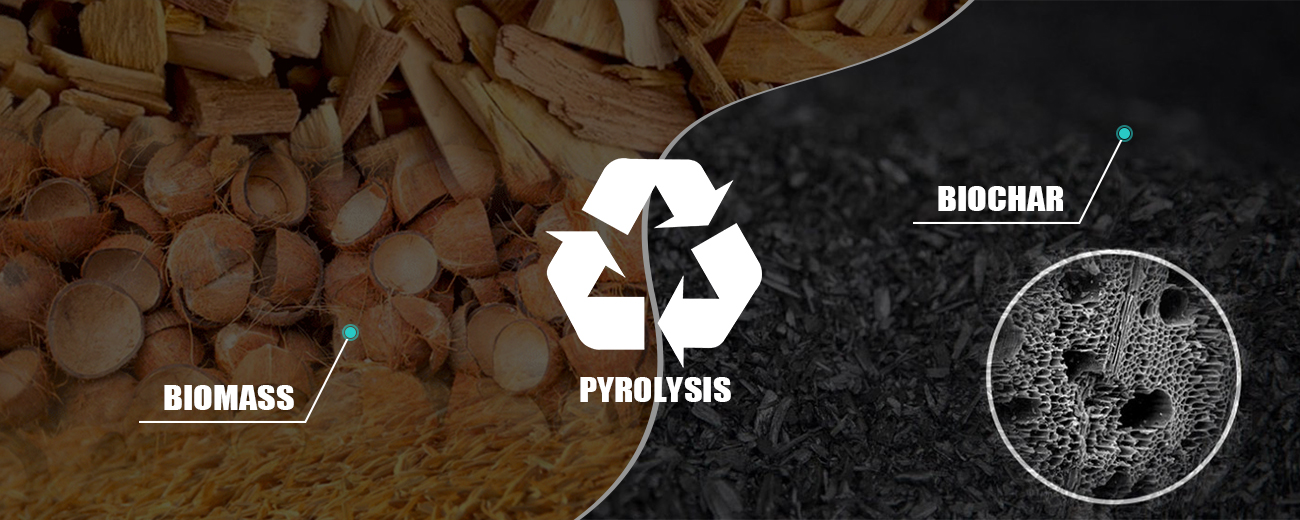
    Biochar is a stable carbon-rich material produced from biomass—such as rice husks, crop residues, or wood chips—through pyrolysis in low-oxygen conditions. This process requires biochar pyrolysis equipment, which operates at high temperatures to break down the biomass, trapping carbon in a solid form and preventing it from quickly returning to the atmosphere as carbon dioxide.

    Pyrolysis Biochar

    How Does Biochar Promote Food Security?

    Improving soil structure – Biochar’s porous nature enhances soil aeration and water retention, creating a healthier environment for plant roots.

    • Boosting nutrient efficiency – Its surface contains functional groups that can adsorb and slowly release nutrients like nitrogen, phosphorus, and potassium, reducing fertilizer loss.
    • Reducing soil acidification – In acidic soils, biochar can help raise pH levels, improving conditions for crop growth.
    • These effects mean that even in dry, nutrient-poor, or degraded lands, biochar can significantly increase yields—helping address global food security challenges.

    How Does Biochar Help Fight Climate Change?

    The carbon structure of biochar is extremely stable and can remain in soils for hundreds or even thousands of years, making it a powerful carbon removal technology. Compared with traditional burning or natural decomposition, producing biochar with biochar pyrolysis equipment prevents large amounts of carbon dioxide and methane from being released into the atmosphere. In some projects, biochar applications can even generate carbon credits, providing farmers with an additional income stream.

    From the Field to Climate Strategy

    In some pilot regions, farmers send crop residues to local facilities equipped with biochar pyrolysis equipment. They receive biochar to improve their soils while also avoiding open-field burning, which improves air quality. This approach is emerging as a win-win model for both reducing emissions and boosting production.

    Conclusion

    Biochar is not a silver bullet that will change the world overnight, but it is a promising path toward sustainable agriculture and climate mitigation. As more communities adopt biochar pyrolysis equipment and build local circular systems, we move one step closer to a future that is both food-secure and climate-friendly.

  • The Role of Coconut Shell Biochar in Circular Economy

    In the era of sustainability and environmental consciousness, the circular economy has become a key concept in promoting resource efficiency, waste reduction, and long-term environmental benefits. One of the remarkable contributions to this movement comes from coconut shell biochar, a product created through the pyrolysis of coconut shells. This biochar has not only gained recognition for its environmental benefits but also for its alignment with circular economy principles.

    Let’s delve into how coconut shell biochar fits into the circular economy, driving value from waste, promoting sustainable practices, and creating a regenerative system.

    Understanding Coconut Shell Biochar

    Coconut shell biochar is a carbon-rich material produced by heating coconut shells in the absence of oxygen (a process known as pyrolysis). The coconut shells, which are usually discarded as waste after the coconut’s pulp is harvested, are converted into a stable form of carbon. This biochar can be used in various applications, ranging from soil improvement to energy production and even pollution remediation.

    But how does it tie into the circular economy?

    Coconut Shell Biochar and Waste Management

    The first and most direct connection between coconut shell biochar and the circular economy is waste management. Coconut shells, a byproduct of the coconut industry, are often discarded or poorly disposed of. Instead of adding to landfill waste or being burned in open air (which causes air pollution), these shells are put through the coconut shell charcoal making machine to produce biochar.

    By converting coconut shells into biochar, we are not only diverting waste from landfills but also creating a valuable product that can serve multiple purposes, thus closing the loop of waste disposal and contributing to resource recovery.

    Soil Enhancement and Agriculture: A Sustainable Solution

    One of the most notable applications of coconut shell biochar is in agriculture. Biochar is used as a soil amendment to improve soil fertility, water retention, and microbial activity. This aligns with circular economy principles by:

    • Enhancing soil health: Biochar can be applied to poor-quality or degraded soils, improving their productivity, and reducing the need for chemical fertilizers.
    • Reducing carbon footprint: As biochar is stable in the soil, it acts as a long-term carbon sink, storing carbon for hundreds or even thousands of years, thereby helping mitigate climate change.

    Through coconut shell biochar, we essentially recycle carbon that would have been emitted into the atmosphere from burning or decomposing coconut shells. This helps create a more sustainable agricultural system that relies on natural processes rather than synthetic inputs.

    Energy Recovery and the Circular Economy

    In addition to its use in agriculture, coconut shell biochar plays an important role in energy recovery. The pyrolysis process that creates biochar from coconut shells also generates syngas (synthetic gas) and bio-oil, which can be used as alternative energy sources. The coconut shell charcoal making machine is a key technology in facilitating this process.

    By extracting energy from coconut shells in the form of gas and oil, we are effectively turning waste into valuable energy, supporting a renewable energy cycle. This energy can power homes, industries, or even the pyrolysis equipment itself, creating a self-sustaining system that reduces dependence on fossil fuels.

    Carbon Sequestration and Climate Mitigation

    A crucial principle of the circular economy is the emphasis on carbon neutrality and reducing environmental impact. Coconut shell biochar plays an important role in carbon sequestration. When biochar is buried in soil, it locks away carbon for hundreds to thousands of years, preventing it from re-entering the atmosphere as carbon dioxide. This contributes to climate change mitigation by reducing greenhouse gas concentrations in the air.

    This is particularly important in the context of the coconut shell biochar production process. By using coconut shells—a natural, renewable material—as a feedstock for biochar production, we reduce the overall carbon footprint compared to fossil fuel-based products.

    Supporting a Circular Economy with Technology: The Role of Charcoal Making Machines

    The process of creating coconut shell biochar involves advanced coconut shell charcoal making machine that ensure efficient and sustainable production. These machines enable the pyrolysis of coconut shells in a controlled environment, minimizing energy consumption and emissions. They also produce byproducts like syngas and bio-oil, further supporting the circular economy by ensuring that no part of the coconut shell goes to waste.

    By investing in such technology, industries can not only reduce waste but also generate valuable products, contributing to the broader goals of the circular economy—where waste is minimized, resources are regenerated, and systems are self-sustaining.
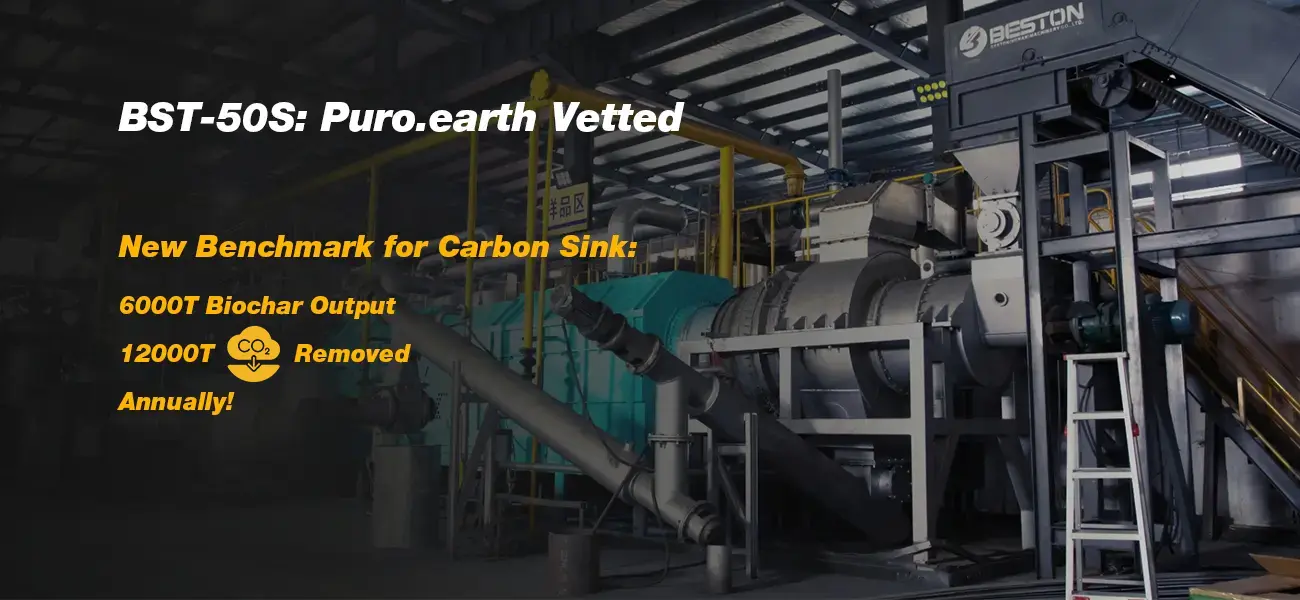
    BST-50S Coconut Shell Charcoal Machine

    Commercial Viability and the Circular Economy Model

    The production of coconut shell biochar is not just an environmental initiative; it has economic benefits as well. The sustainable production of biochar from coconut shells opens up new business opportunities in both the agriculture and energy sectors. Biochar products can be sold to farmers, landscapers, or energy producers, creating a profitable market while simultaneously reducing waste and promoting sustainability.

    The circular economy model is built around the idea of creating value from waste, and coconut shell biochar is a perfect example of how we can generate economic profit while protecting the environment. In this model, businesses that manufacture coconut shell charcoal making machines contribute to the creation of a more sustainable economy by providing the tools to efficiently convert waste into valuable products.

    Conclusion: A Step Towards a Sustainable Future

    Coconut shell biochar is a prime example of how circular economy principles can be applied to the natural world. From waste management and energy recovery to carbon sequestration and agricultural enhancement, biochar produced from coconut shells offers multiple environmental, economic, and social benefits.

    By leveraging technologies like the coconut shell charcoal making machine, we can make the production of biochar more efficient and scalable, supporting a circular economy that reduces waste, conserves resources, and mitigates climate change.

    As we move towards a more sustainable and regenerative future, coconut shell biochar offers a tangible solution for turning waste into value while benefiting both the environment and the economy.
  • What You Need to Prepare for ISCC Certification of Waste Plastic Pyrolysis Oil

    In the ever – evolving landscape of sustainable energy and circular economy initiatives, the process of obtaining International Sustainability & Carbon Certification (ISCC) for waste plastic pyrolysis oil has become increasingly important. As more and more waste plastic pyrolysis plants strive to meet global sustainability standards, understanding the requirements for this certification is crucial. This blog post will guide you through the essential steps and preparations needed for ISCC certification of waste plastic pyrolysis oil.

    1. Understanding ISCC and Its Relevance to Pyrolysis Oil

    ISCC is a globally recognized sustainability certification system that ensures the sustainable production of various materials, including those from waste and residue raw materials. For waste plastic pyrolysis plants, obtaining ISCC certification can enhance their market credibility, meet regulatory requirements in some regions, and contribute to the overall goal of reducing plastic waste and promoting a circular economy. It validates that the pyrolysis oil production process adheres to strict environmental, social, and traceability criteria.

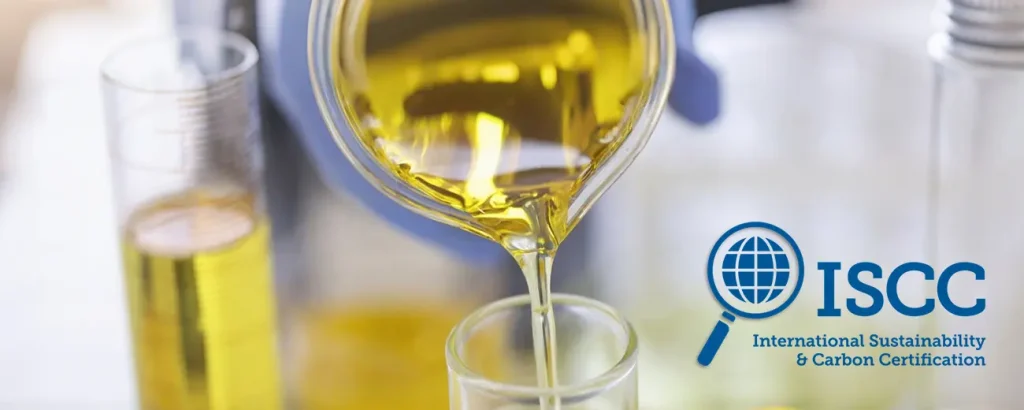
    ISCC Certified Pyrolysis Oil

    2. Prerequisites for Applying for ISCC Certification

    2.1 Selecting the Right Certification Body

    The first step is to choose an ISCC – accredited certification body. These bodies are authorized to conduct the necessary audits and assessments for ISCC certification. Examples of well – known certification bodies include SGS, TÜV Rheinland, and DNV. When making this selection, consider factors such as the body’s experience in certifying waste – to – energy or plastic recycling processes, its reputation in the industry, and the cost – effectiveness of its services.

    2.2 Registering with ISCC

    Once you have chosen a certification body, you need to register your waste plastic pyrolysis plant with ISCC. This involves creating an account on the ISCC platform and providing basic information about your company, such as its legal name, address, contact details, and a brief description of your pyrolysis oil production activities. The registration process also requires you to specify the scope of certification, which in this case would be the production of waste plastic pyrolysis oil.

    3. Documentation Requirements

    3.1 Company and Facility Information

    • Business Registration Documents: Provide copies of your business license, tax registration certificate, and any other relevant legal documents that prove the existence and legal standing of your waste plastic pyrolysis plant.
    • Facility Layout and Process Flow Diagrams: Create detailed diagrams that show the layout of your pyrolysis plant, including the location of key equipment such as pyrolysis reactors, condensers, and storage tanks. A process flow diagram should also be included, which clearly illustrates the steps involved in converting waste plastics into pyrolysis oil, from waste plastic intake to the final production of pyrolysis oil.

    3.2 Supply Chain Traceability

    • Waste Plastic Supplier Information: Compile a comprehensive list of all your waste plastic suppliers. For each supplier, provide details such as their company name, address, contact information, and the types and quantities of waste plastics they supply. You will also need to have contracts or agreements in place with these suppliers that clearly state the quality and origin requirements of the waste plastics.
    • Tracking Records: Implement a tracking system within your waste plastic pyrolysis plant to record the movement of waste plastics from the moment they enter the facility until the pyrolysis oil is produced. This includes records of the receipt of waste plastics, their storage location within the plant, and the specific batches used in each pyrolysis run. These records should be maintained for a minimum of three years, as required by ISCC.

    3.3 Environmental and Social Sustainability

    • Environmental Impact Assessment: Conduct an environmental impact assessment of your waste plastic pyrolysis plant. This assessment should cover aspects such as air emissions, wastewater treatment, and solid waste management. Provide details of the measures you have implemented to minimize the environmental impact of your operations, such as the installation of pollution control equipment for air emissions and proper treatment of wastewater before discharge.
    • Social Responsibility Policy: Develop and document a social responsibility policy for your plant. This policy should address issues such as employee rights, working conditions, and community relations. Provide evidence of compliance with local labor laws, including information on employee contracts, working hours, and safety training programs. Also, demonstrate your plant’s efforts to engage with the local community, such as through environmental education programs or support for local initiatives.

    3.4 Quality Management System

    • Quality Control Procedures: Establish a quality control system for the production of pyrolysis oil. This should include procedures for sampling and testing the waste plastics before processing, as well as for testing the final pyrolysis oil product. Document the quality parameters that your pyrolysis oil must meet, such as its chemical composition, heating value, and sulfur content.
    • Internal Auditing and Management Review: Conduct regular internal audits of your waste plastic pyrolysis plant to ensure compliance with ISCC requirements and your own quality management system. Document the findings of these audits and the corrective actions taken. Additionally, perform management reviews at least once a year to evaluate the effectiveness of your quality management system and make any necessary improvements.

    4. Conducting an Internal Audit

    Before the official audit by the certification body, it is highly recommended that you conduct an internal audit of your waste plastic pyrolysis plant. This internal audit should be carried out by a team of trained personnel within your company who are familiar with ISCC requirements. The internal audit should cover all aspects of your operations, from waste plastic procurement to pyrolysis oil production and distribution. Identify any non – conformities or areas for improvement and take corrective actions before the external audit. This will help to increase the likelihood of a successful certification audit.

    5. Preparing for the Certification Audit

    5.1 Facility Readiness

    Ensure that your waste plastic pyrolysis plant is in a clean and well – maintained condition. All equipment should be operational, and any safety hazards should be addressed. Clearly label all storage areas, pipelines, and equipment to facilitate the auditor’s understanding of your plant’s operations.

    5.2 Document Accessibility

    Organize all the required documentation in a way that makes it easily accessible to the auditor. Create a filing system or digital repository where the auditor can quickly retrieve the necessary documents, such as supply chain records, environmental reports, and quality control data. Provide the auditor with a list of all the documents and their locations within the plant.

    5.3 Staff Training

    Train your plant staff on ISCC requirements and their roles and responsibilities during the audit. Ensure that they are able to answer any questions the auditor may have regarding the plant’s operations, environmental practices, and social responsibility initiatives. Staff should be familiar with the quality control procedures and the tracking systems in place at the plant.

    In conclusion, obtaining ISCC certification for waste plastic pyrolysis oil is a comprehensive process that requires careful planning, documentation, and preparation. By following the steps outlined above, waste plastic pyrolysis plants can increase their chances of a successful certification and contribute to a more sustainable future in the plastics recycling and energy sectors.

  • Innovative Applications of Biochar Across Industries

    In recent years, biochar has emerged as more than just an agricultural soil amendment — it’s now at the forefront of climate innovation, industrial applications, and sustainable business models. Produced through the pyrolysis of organic biomass in a controlled, oxygen-limited environment, biochar offers a unique combination of environmental and economic benefits. With growing interest in biochar machines that make production more accessible and scalable, industries are beginning to tap into its full potential.

    BST-50 Biochar Production Equipment

    1. Biochar as a Carbon Removal Tool

    One of the most powerful aspects of biochar is its ability to store carbon for hundreds — even thousands — of years. When biomass naturally decomposes, it releases CO₂ back into the atmosphere. However, through pyrolysis, a significant portion of this carbon is locked into a stable, solid form. This process not only prevents emissions but actively removes CO₂ from the carbon cycle, making biochar a verified carbon dioxide removal (CDR) solution.

    As climate markets evolve, biochar producers are now generating revenue through carbon credits. Organizations and governments are starting to pay for these credits as part of their climate commitments, turning biochar production into a financially viable carbon removal industry.

    2. Agricultural Productivity and Regenerative Farming

    Agriculture remains the most well-known application of biochar. When applied to soils, biochar improves water retention, boosts nutrient availability, and fosters beneficial microbial activity. In drought-prone regions, this means greater crop resilience and reduced irrigation needs.

    Modern biochar machines have made it easier for farms to integrate on-site production, turning crop residues into valuable soil amendments instead of waste. This not only reduces waste management costs but also closes the loop on agricultural resource use.

    3. Biochar in Construction and Building Materials

    A growing trend is the use of biochar in green construction. When mixed into concrete, plaster, or bricks, biochar can improve insulation, regulate indoor humidity, and reduce the overall carbon footprint of building materials.

    Because biochar is lightweight and porous, it can also enhance the thermal and acoustic properties of construction materials. Startups in sustainable building are already experimenting with large-scale biochar integration, opening new markets for industrial producers.

    4. Water Filtration and Environmental Remediation

    Biochar’s highly porous structure makes it an effective adsorbent for toxins, heavy metals, and organic pollutants. This has led to its application in:

    Drinking water purification

    Wastewater treatment

    Stormwater management systems

    Municipalities and environmental agencies are exploring biochar-based filtration solutions as cost-effective and sustainable alternatives to synthetic filters. For rural communities, portable biochar machines can help produce the material locally for water purification projects.

    5. Livestock and Animal Care

    When added to animal feed in small quantities, biochar can improve digestion, reduce methane emissions, and even enhance overall livestock health. It also finds use as a bedding additive, reducing odor and absorbing excess moisture in barns and stables.

    The livestock sector’s adoption of biochar has a dual benefit: improving animal welfare while mitigating greenhouse gas emissions from manure.

    6. Biochar in Energy and Industrial Processes

    Biochar production via pyrolysis also generates syngas and bio-oil as byproducts. These can be used to power facilities, making biochar plants more energy self-sufficient. In industrial processes, biochar is being tested as a reducing agent in steelmaking, offering a greener alternative to coal-based methods.

    Conclusion: Biochar’s Expanding Horizon

    From farming to construction, water treatment to carbon sequestration, biochar’s versatility is unlocking new opportunities for innovation. As climate urgency grows, the technology to produce it — especially with scalable biochar machines — will be a cornerstone in both sustainable industry and climate action strategies.

    With the ability to address soil health, waste reduction, carbon storage, and environmental cleanup, biochar isn’t just a product — it’s a cross-sector climate solution with massive untapped potential.

  • Exploring the Chemical Composition of Pyrolysis Oil

    Pyrolysis oil has become an important subject of research and commercial interest as industries look for alternative fuels and chemical feedstocks. Produced through the thermal decomposition of organic materials in the absence of oxygen, pyrolysis oil is a complex mixture of hydrocarbons and oxygenated compounds. Understanding its chemical composition is critical for optimizing production, improving quality, and tailoring the oil for specific industrial applications.

    1. What is Pyrolysis Oil Made Of?

    Pyrolysis oil is not a single compound, but a mixture of many. Its exact composition depends on factors such as feedstock type, pyrolysis temperature, heating rate, and reactor design. Generally, pyrolysis oil contains:

    • Hydrocarbons: Alkanes, alkenes, and aromatic compounds that give the oil its fuel value.
    • Oxygenated Compounds: Phenols, aldehydes, ketones, and acids, which can influence stability and acidity.
    • Sulfur- and Nitrogen-Containing Molecules: Particularly common when processing rubber or waste oil, these compounds can affect odor, corrosion potential, and emissions.
    • Water: Produced as a byproduct of dehydration reactions, usually 10–30% by weight in biomass-derived oils but less in plastic or rubber pyrolysis oils.

    These components are present in varying concentrations, which directly impacts the oil’s quality, stability, and potential applications.

    ISCC Certified Pyrolysis Oil

    2. The Role of Feedstock in Determining Composition

    a. Plastic Pyrolysis Oil

    When a plastic pyrolysis machine processes waste plastics such as polyethylene (PE) or polypropylene (PP), the resulting oil is rich in long-chain hydrocarbons with minimal oxygen content. This makes it chemically closer to conventional diesel or naphtha, which is ideal for refining into transportation fuels or petrochemical feedstocks.

    • Main Constituents: Alkanes, alkenes, and some aromatics.
    • Sulfur Content: Very low, unless contaminated plastics are used.
    • Advantages: High calorific value, low acidity, good stability.

    b. Tyre Pyrolysis Oil

    Processing waste rubber using a tyre pyrolysis machine produces an oil that contains a higher proportion of aromatic hydrocarbons due to the breakdown of natural and synthetic rubber polymers such as styrene-butadiene rubber (SBR).

    • Main Constituents: Aromatics (benzene, toluene, xylene), limonene, and some polyaromatic hydrocarbons.
    • Sulfur Content: Higher than plastic pyrolysis oil due to vulcanization agents in tires.
    • Advantages: Contains valuable limonene, which has applications in solvents and fragrances, in addition to fuel use.

    c. Oily Sludge Pyrolysis Oil

    Oily sludge from refineries and petrochemical plants yields an oil that resembles heavy fuel oil.

    • Main Constituents: Aromatics, asphaltenes, and resins.
    • Sulfur Content: Can be high, requiring desulfurization for certain applications.
    • Advantages: Allows recovery of hydrocarbons from hazardous waste while reducing environmental risk.

    3. How Pyrolysis Conditions Influence Chemistry

    Even with the same feedstock, altering process parameters can change the chemical profile of the oil:

    • Temperature: Higher temperatures tend to increase aromatic content and reduce long-chain hydrocarbons.
    • Heating Rate: Fast pyrolysis produces more liquid yields, while slow pyrolysis may favor solid char production.
    • Catalysts: Adding catalysts can selectively produce more desirable molecules, such as light olefins or specific aromatics.

    For example, in a plastic pyrolysis machine, operating at 450–500°C with a suitable catalyst can maximize diesel-range hydrocarbons, whereas in a tyre pyrolysis machine, a slightly higher temperature might be chosen to optimize limonene recovery.

    4. Implications for Commercial Applications

    The chemical composition of pyrolysis oil determines how it can be used:

    • Fuel Applications: Oils with high hydrocarbon and low oxygen content (such as plastic-derived) are ideal for blending into diesel or gasoline after minor refining.
    • Chemical Feedstocks: Oils rich in aromatics or specialty compounds like limonene can be sold to the chemical industry.
    • Industrial Heating: Even lower-grade pyrolysis oils can be used in boilers, furnaces, and cement kilns.

    Understanding the feedstock–composition relationship allows plant operators to target markets more effectively, maximizing profitability.

    Conclusion

    Pyrolysis oil is a versatile product whose value depends heavily on its chemical composition. The type of feedstock—whether processed in a tyre pyrolysis machine or a plastic pyrolysis machine—plays a central role in determining the final mix of hydrocarbons, aromatics, and oxygenated compounds. By tailoring both the raw materials and process parameters, producers can optimize the oil for specific high-value markets, turning waste into a profitable and sustainable resource.

  • The Promising Future of Biochar Production in Carbon Sequestration

    In the face of climate change and the growing urgency to reduce carbon emissions, carbon sequestration has become one of the most talked-about solutions for mitigating global warming. Among the various methods being explored, biochar production has emerged as one of the most promising and innovative techniques. Biochar is a form of charcoal produced by heating organic material in the absence of oxygen, a process known as pyrolysis. It is gaining attention not only for its potential to reduce carbon dioxide in the atmosphere but also for its multiple environmental benefits.

    What is Biochar and How is it Made?

    Biochar is produced by heating plant-based materials such as wood, agricultural waste, or biomass in a low-oxygen environment. This pyrolysis process turns the organic matter into a stable form of carbon that can be stored for centuries. Unlike traditional methods of waste disposal, such as burning, biochar locks carbon away from the atmosphere, preventing it from returning as carbon dioxide.

    New-generation Biochar Machine

    How Does Biochar Contribute to Carbon Sequestration?

    The key factor that makes biochar such an attractive option for carbon sequestration is its ability to “trap” carbon. The carbon content in biochar is highly stable, meaning it doesn’t break down easily like other forms of organic matter. When biochar is buried in soil, it effectively stores carbon away from the atmosphere for hundreds or even thousands of years, helping to reduce the concentration of greenhouse gases in the atmosphere.

    In addition to locking away carbon, biochar also improves soil fertility by increasing the soil’s capacity to retain water, nutrients, and beneficial microorganisms. This makes it a particularly valuable solution for agricultural applications, turning a waste product into a resource for enhancing soil health.

    Environmental Benefits Beyond Carbon Sequestration

    While the primary benefit of biochar is its potential to store carbon, its advantages extend far beyond just carbon sequestration:

    • Improved Soil Health: Biochar has been shown to improve soil structure, enhance soil moisture retention, and increase nutrient availability. These benefits make it especially useful in areas facing soil degradation, such as arid regions or areas that have been impacted by intensive agricultural practices.
    • Reduction of Greenhouse Gas Emissions: Biochar can help reduce the emission of nitrous oxide (N2O) and methane (CH4), both potent greenhouse gases, from agricultural soils. This is especially significant for livestock farming, where manure and waste can release large amounts of methane.
    • Waste Management: Biochar production can also serve as a waste management solution. Agricultural waste, forestry residues, and even municipal waste can be converted into biochar, providing a sustainable way to deal with these materials while reducing their environmental impact.
    • Renewable Energy: The biochar production equipment used to create biochar also produces syngas and bio-oil, which can be used as renewable energy sources. This creates a circular economy where both energy and carbon storage are achieved from the same process.

    Biochar and Climate Policy: A Win-Win Scenario

    As nations around the world set ambitious climate goals, biochar is being increasingly recognized as a cost-effective and scalable option for achieving carbon neutrality. Some countries have already begun to include biochar in their national climate strategies, with the potential for large-scale implementation. By turning agricultural waste into biochar, countries can not only sequester carbon but also boost food security and create new economic opportunities in rural areas.

    Moreover, biochar can play a crucial role in carbon trading schemes. Its potential to store carbon over the long term makes it an attractive asset for carbon offset programs, which companies can use to meet emission reduction targets.

    The Future of Biochar in Carbon Sequestration

    Looking ahead, biochar has the potential to become a cornerstone of global carbon sequestration strategies. As research continues and technology advances, biochar production is likely to become more efficient, cost-effective, and widely adopted. Its ability to contribute to both carbon mitigation and soil health makes it an appealing solution for a sustainable future.

    In conclusion, biochar offers an innovative and promising method for reducing atmospheric carbon levels while enhancing soil health and providing a sustainable waste management solution. As the world searches for ways to mitigate climate change, biochar production is poised to play a key role in the transition to a greener, more resilient future.

  • The Hidden Climate Hero: Why Biochar Deserves More Attention in COP Talks

    When world leaders gather for COP summits, most of the attention falls on fossil fuels, renewable energy, and carbon markets. Yet one of the most powerful — and underappreciated — tools for carbon sequestration remains largely in the shadows: biochar.

    Biochar, a charcoal-like substance produced by heating organic biomass in a low-oxygen environment, is gaining traction in regenerative agriculture and climate mitigation. It’s not just a soil amendment — it’s a long-term carbon sink that could help slow the planet’s warming.

    A Proven Carbon Sink

    Unlike compost, which eventually decomposes and releases CO₂ back into the atmosphere, biochar is stable for hundreds or even thousands of years. This means that when it’s buried in soil, it locks carbon away almost permanently.

    Scaling up this process globally could remove gigatons of CO₂ from the atmosphere annually. But for that to happen, we need to shift our focus at high-level climate discussions like COP. Biochar deserves a seat at the table alongside wind, solar, and reforestation.

    Beyond the Farm: Biochar’s Versatile Potential

    Many see biochar as a niche agricultural tool, but its applications are expanding fast. From wastewater treatment and concrete additives to livestock feed and urban landscaping, biochar is showing up in unexpected places. Cities are even experimenting with incorporating it into green infrastructure to combat urban heat islands.

    Interestingly, these innovations all start with one key technology: the biochar making machine. While the science of biochar is centuries old — tracing back to the Amazonian Terra Preta — modern machines have made the process more efficient, cleaner, and scalable than ever before.

    Pyrolysis Biochar

    Why COP Should Pay Attention

    So, why hasn’t biochar taken center stage at COP conferences?

    Part of the problem is visibility. Biochar lacks the drama of melting ice caps or massive solar farms. It’s a silent solution — buried underground, quietly storing carbon and restoring soil health. Yet the impact is no less profound.

    Governments and NGOs are beginning to notice. Several countries have started to include biochar in their Nationally Determined Contributions (NDCs). In Kenya, smallholder farmers are turning agricultural waste into climate solutions using locally built biochar making machines, generating both income and resilience.

    Another barrier is policy support. Biochar still exists in a grey zone in many carbon credit systems. A more standardized, science-based framework could unlock billions in funding and accelerate adoption.

    Scaling the Climate Solution

    If biochar is to live up to its climate potential, it must scale — and fast. That means making the production process accessible not just to industrial actors, but also to rural communities and emerging markets. Affordable, decentralized biochar making machines are a key part of this puzzle, enabling farmers to convert crop residues into both soil boosters and carbon assets.

    COP needs to take note. In a world desperate for climate wins, biochar is one of the few tools that is cheap, scalable, and scientifically backed. It doesn’t demand massive new infrastructure or rare materials. All it needs is organic waste, basic technology, and forward-thinking policy.

    Conclusion

    Biochar may not be the flashiest climate solution — but it might just be one of the most powerful. If global climate talks are serious about achieving net-zero goals, then it’s time for biochar — and the humble biochar making machine — to step out of the shadows and into the climate spotlight.

  • Is Biochar the Next Frontier in Green Building Materials?

    As the construction industry seeks greener, more sustainable alternatives to traditional materials, one unlikely candidate is quietly gaining momentum: biochar.

    Originally known for its use in agriculture, biochar — a carbon-rich substance produced by heating organic material in the absence of oxygen — is now making its way into green building materials, offering impressive benefits in carbon storage, insulation, and even air purification.

    But is this black, powdery material really the future of eco-friendly architecture?

    From Soil to Structure: A Material on the Move

    For years, biochar has been valued for its ability to enrich soil, retain water, and sequester carbon. What’s changing now is where and how we use it. Architects and material scientists are exploring ways to incorporate biochar into concrete, plaster, bricks, and even insulation panels.

    These new applications aren’t just about reducing the carbon footprint of buildings — they’re about storing carbon in the very walls and foundations we live in. A ton of biochar can lock away up to three tons of CO₂ equivalent. That’s a significant opportunity for an industry that currently contributes to over 35% of global CO₂ emissions.

    At the heart of this transformation is a key enabler: the biomass pyrolysis machine. By converting agricultural or forestry residues into biochar through controlled thermal decomposition, these machines are making large-scale, carbon-negative material production not only possible, but increasingly affordable.

    What Is Biomass Pyrolysis

    Why Biochar Works in Construction

    You might ask: why would you want to put biochar into a building?

    The answer lies in its unique physical properties:

    • Porosity: Biochar’s microstructure allows it to trap air, making it an excellent natural insulator.
    • Lightweight: It reduces the overall weight of construction materials, lowering transport and structural costs.
    • Moisture Regulation: It can help buildings “breathe” by regulating humidity, which improves indoor air quality.
    • Carbon Storage: Once integrated into building materials, biochar sequesters carbon for decades or even centuries.

    Researchers are experimenting with mixing biochar into cement composites and lime-based plasters, with promising results in thermal performance and durability. None of this would be feasible at scale without efficient, reliable biomass pyrolysis machines processing raw biomass into high-quality, construction-grade biochar.

    The Road Ahead

    As green building codes become stricter and carbon pricing mechanisms expand, materials that actively store carbon will gain a competitive edge. Biochar could very well become a staple of net-zero construction, helping to build homes and cities that are not just less harmful, but actively beneficial for the planet.

    With continued innovation in biomass pyrolysis machines, and growing interest from architects and engineers, biochar is poised to become more than just a soil enhancer — it could be the foundation of the next generation of climate-conscious architecture.

    Conclusion

    While it may seem unconventional today, biochar has all the qualities to become a major player in sustainable building. Durable, carbon-negative, and made from waste — it checks every box for the future of green construction. As more industries look to decarbonize, integrating biochar produced by biomass pyrolysis machines into building materials might be one of the smartest moves we can make.

  • Frontier Explorations on the Quality Improvement of Pyrolysis Oil

    In the realm of alternative energy and waste management, pyrolysis oil has garnered significant attention. Its potential to transform waste materials like plastics into a valuable resource makes it a subject of continuous research and exploration. One of the key aspects that researchers are currently focusing on is the quality improvement of pyrolysis oil, and the plastic pyrolysis machine plays a fundamental role in this pursuit.

    The Role of the Plastic Pyrolysis Machine in the Initial Stage

    The plastic pyrolysis machine is the starting point for the entire process of obtaining pyrolysis oil from plastic waste. It is designed to handle various types of plastics, which are often complex and diverse in nature. When plastics are fed into the plastic pyrolysis machine, it subjects them to carefully controlled thermal conditions. The heating mechanism within the plastic pyrolysis machine is crucial as it determines the breakdown of the plastic molecules. If the temperature and heating rate are not properly set, it can lead to incomplete pyrolysis or the formation of unwanted by-products that would ultimately affect the quality of the pyrolysis oil. Therefore, continuous efforts are being made to optimize the design and operation parameters of the plastic pyrolysis machine at this initial stage to ensure a more efficient and cleaner conversion of plastics into pyrolysis oil.

    Advanced Technologies Integrated with the Plastic Pyrolysis Machine

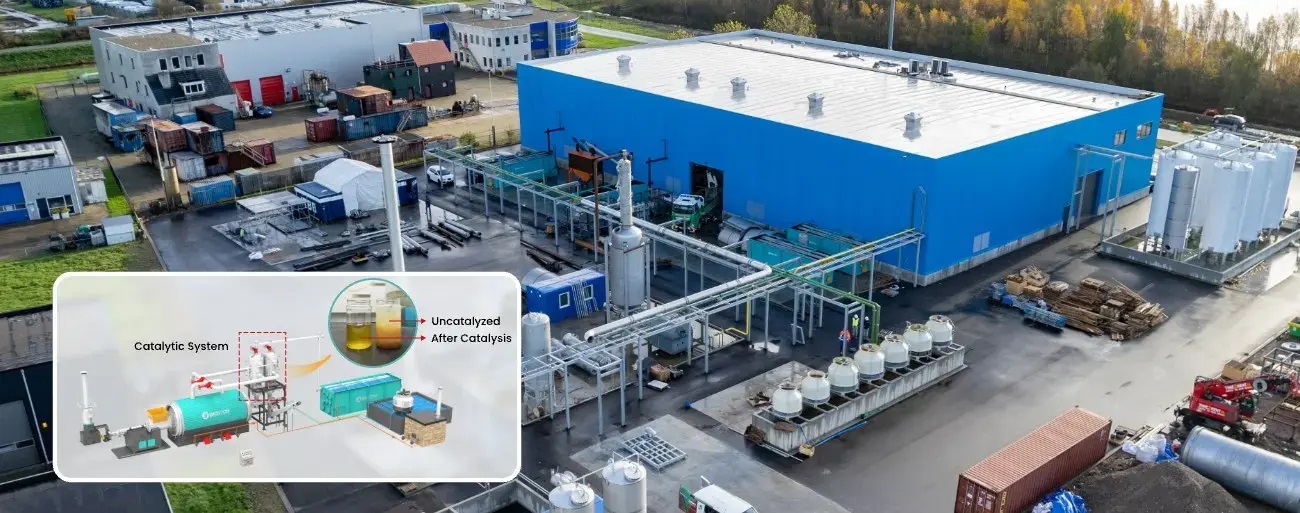
    To enhance the quality of pyrolysis oil, modern plastic pyrolysis machines are being equipped with advanced technologies. For example, some plastic pyrolysis machines now incorporate intelligent monitoring systems. These systems can constantly track the temperature, pressure, and other key parameters during the pyrolysis process. By having real-time data on these aspects, operators can make timely adjustments to the plastic pyrolysis machine. Moreover, the use of specialized catalysts within the plastic pyrolysis machine has also become a popular area of exploration. These catalysts can accelerate the chemical reactions taking place during pyrolysis and help in producing pyrolysis oil with better chemical properties. The integration of such technologies into the plastic pyrolysis machine is transforming the way we obtain and improve the quality of pyrolysis oil from plastic waste.

    Plastic Pyrolysis Plant

    Future Prospects and the Evolution of the Plastic Pyrolysis Machine

    Looking ahead, the plastic pyrolysis machine is expected to undergo further evolution in the quest for higher quality pyrolysis oil. Scientists and engineers are researching new materials for constructing the plastic pyrolysis machine to improve its durability and heat resistance. This would allow for more stable and consistent operation over long periods, which is essential for producing high-quality pyrolysis oil on a large scale. Additionally, efforts are being made to miniaturize the plastic pyrolysis machine without sacrificing its performance. This could make it more accessible for small-scale waste processing facilities or even for on-site waste treatment in certain industries. The continuous innovation around the plastic pyrolysis machine will undoubtedly open up new avenues for improving the quality of pyrolysis oil and maximizing its potential in various applications.

    In summary, the plastic pyrolysis machine is at the core of the efforts to improve the quality of pyrolysis oil. Through ongoing advancements in its design, operation, and integration with cutting-edge technologies, we can expect to see significant improvements in the quality of pyrolysis oil obtained from plastic waste, enabling it to play a more prominent role in the fields of energy and waste management.

  • The Role of Pyrolysis Oil in the Sustainable Energy Transition

    In the pursuit of a sustainable future, the energy landscape is constantly evolving. Among the various alternative energy sources, pyrolysis oil has emerged as a significant player. Pyrolysis oil, which is obtained through specific thermal decomposition processes, holds great potential in facilitating the shift towards sustainable energy, especially when it comes to dealing with materials like tires, plastics, or oil sludge.

    The Production Process and the Pyrolysis Machine

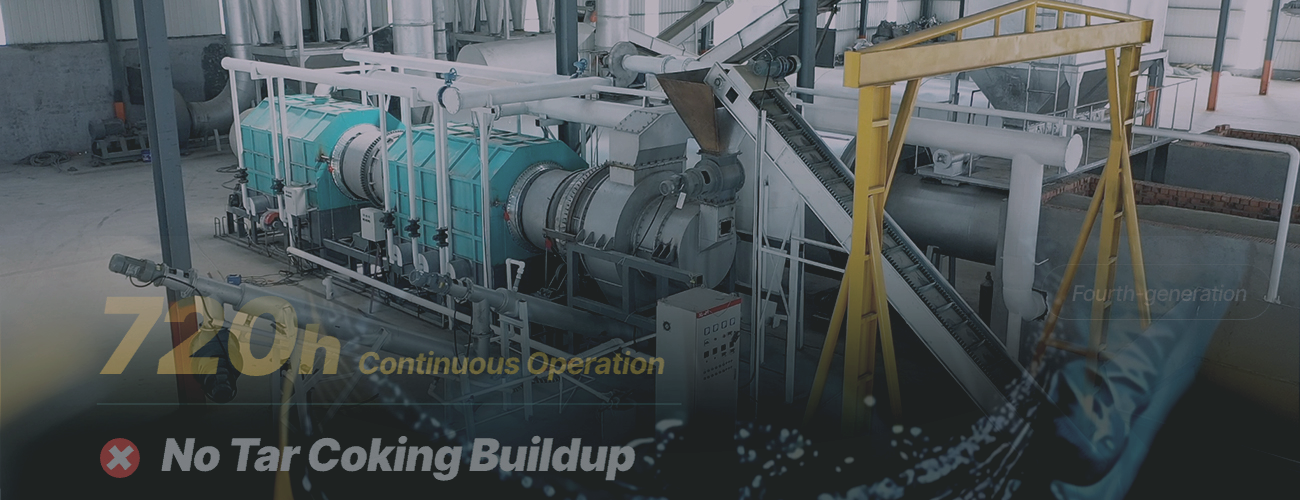
    The production of pyrolysis oil relies heavily on the pyrolysis machine. This remarkable piece of equipment plays a crucial role in the entire process. It subjects the raw materials such as tires, plastics, or oil sludge to high temperatures in an oxygen-free environment. Through carefully controlled heating and other operational parameters within the pyrolysis machine, these materials are broken down into valuable components, with pyrolysis oil being one of the main products. The design and efficiency of the pyrolysis machine directly impact the quality and quantity of the pyrolysis oil produced. Advanced pyrolysis machines are equipped with state-of-the-art monitoring and control systems to ensure optimal performance and a stable output of high-quality pyrolysis oil.

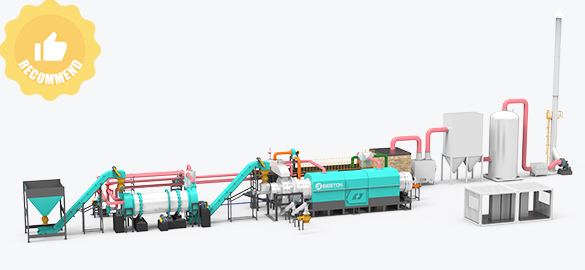
    Continuous Pyrolysis Plant
    Continuous Pyrolysis Plant

    Pyrolysis Oil as an Alternative Energy Source

    Once produced by the pyrolysis machine, pyrolysis oil can serve as a viable alternative to traditional fossil fuels. It can be used in a variety of applications in the energy sector. For instance, it can be refined further and blended with other fuels to power engines in certain industrial machinery or even in some transportation vehicles. Compared to conventional fuels, pyrolysis oil has the advantage of making use of waste materials that would otherwise pose environmental challenges. This not only helps in reducing the reliance on finite fossil fuel reserves but also contributes to waste management in an effective way. The pyrolysis machine thus acts as the starting point for turning waste into a valuable energy resource.

    Contribution to Energy Diversification

    The integration of pyrolysis oil into the existing energy mix promotes energy diversification. With the support of continuous improvements in pyrolysis machine technology, more and more pyrolysis oil can be produced on a larger scale. This allows different industries to have access to a new type of fuel source. It reduces the vulnerability of the energy system that often comes with over-dependence on a few major energy sources. The pyrolysis machine, as the core of the production process, enables a more stable and diverse supply of energy by consistently churning out pyrolysis oil that can meet the diverse energy demands of various sectors.

    Environmental Benefits

    Another important aspect of pyrolysis oil’s role in sustainable energy transition is its environmental benefits. When waste materials are processed in the pyrolysis machine to produce pyrolysis oil, harmful emissions that would occur if these materials were disposed of improperly or burned in an uncontrolled manner are significantly reduced. Additionally, the use of pyrolysis oil instead of some dirtier fossil fuels can lead to lower carbon emissions during combustion. The pyrolysis machine, through its efficient operation, helps in maximizing these environmental advantages by ensuring that the production process is as clean as possible and that the resulting pyrolysis oil is of a high quality for better environmental performance when used.

    In conclusion, pyrolysis oil is set to play a pivotal role in the sustainable energy transition. The pyrolysis machine is at the heart of its production and determines its quality and availability. As we continue to explore and develop more efficient pyrolysis machine technologies and find better ways to utilize pyrolysis oil, we can look forward to a more sustainable and diversified energy future powered in part by this valuable product of waste recycling.