Sawdust—often seen as a leftover hassle from woodworking shops, furniture factories, or forestry operations—has long been dismissed as waste. Piles of it can take up space, decompose slowly, or even pose fire risks if not managed properly. But what if this abundant byproduct could be transformed into something useful, profitable, and kind to the planet? Enter the sawdust charcoal making machine: a game-changer that turns sawdust into high-quality charcoal, unlocking a host of benefits for businesses, communities, and the environment.
What Is a Sawdust Charcoal Making Machine?
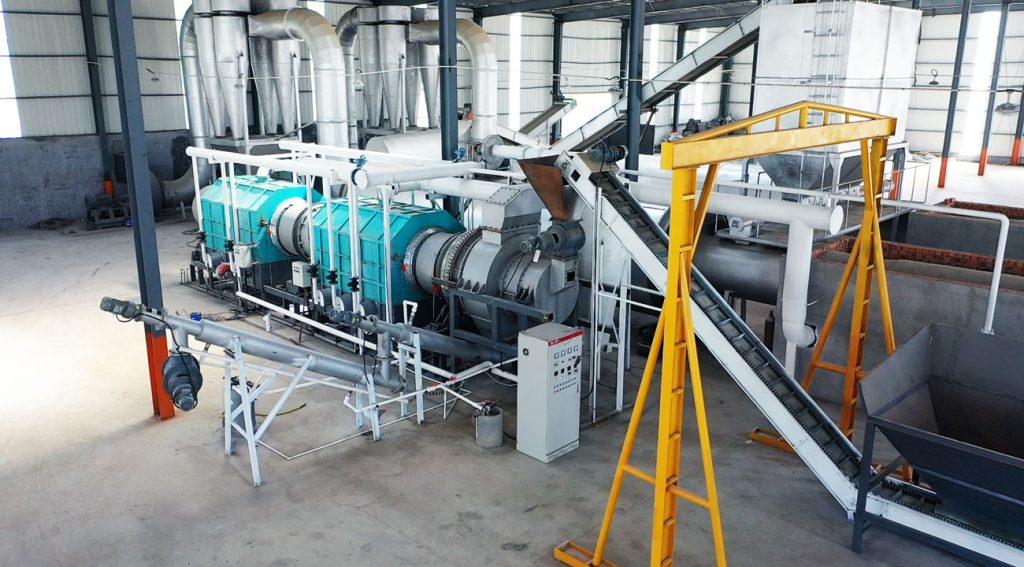
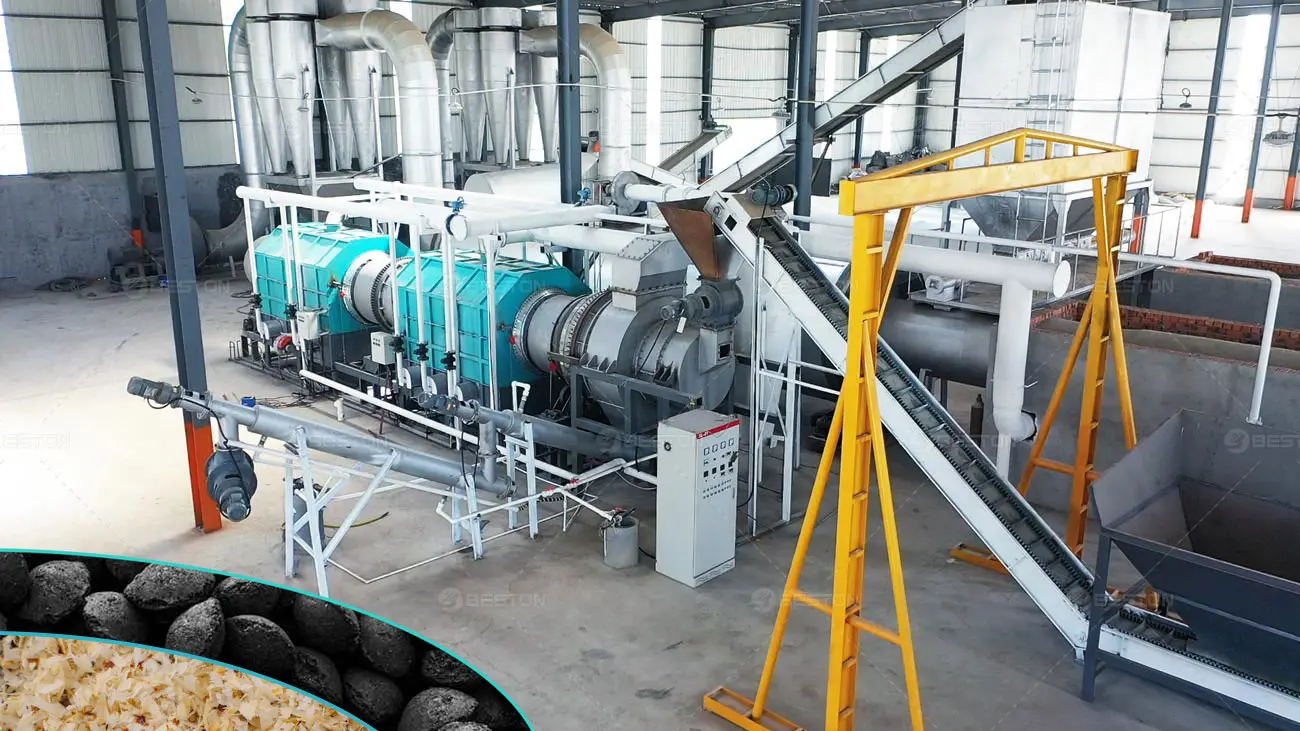
First, let’s break down the basics. A sawdust charcoal making machine uses a process called pyrolysis—heating organic materials (in this case, sawdust) in the absence of oxygen—to convert loose, low-value sawdust into dense, energy-rich charcoal. Unlike traditional charcoal-making methods (which often involve inefficient, polluting open fires), these machines are designed to be controlled, consistent, and far more sustainable. The process typically compresses sawdust into briquettes first (to optimize heat distribution) before subjecting it to pyrolysis, resulting in charcoal that’s easy to store, transport, and use.
The Key Benefits of Sawdust Charcoal Making Machine
From reducing waste to boosting income, these machines offer a range of advantages that make them a smart investment for both small-scale operators and large industries. Let’s dive into the most impactful benefits:
1. Reduces Waste and Promotes Circular Economy
Sawdust is one of the most common wood byproducts globally. In many places, it’s either dumped in landfills or burned openly—both of which waste resources and harm the environment.
A sawdust charcoal making machine flips this script: it takes a “waste” product and turns it into a valuable commodity (charcoal). This closes the loop in the wood supply chain, turning what would otherwise be discarded into something useful. For example, a small woodworking shop that once paid to haul away sawdust can now process it into charcoal and sell it, turning a cost into a revenue stream.
2. Produces Eco-Friendly, Sustainable Charcoal
Traditional charcoal production (especially from cutting down trees for fuel) is a major driver of deforestation and air pollution. According to the Food and Agriculture Organization (FAO), unsustainable charcoal production contributes to 10% of global deforestation, as trees are often felled specifically for this purpose.
Sawdust charcoal, by contrast, is sustainable:
- It uses a byproduct (sawdust) instead of virgin wood, so no additional trees are cut down.
- Modern sawdust charcoal machines are equipped with pollution control systems (like dust collectors and gas filters) that reduce emissions. Unlike open burning, which releases large amounts of CO₂ and particulate matter, these machines capture and reuse heat (or treat exhaust gases) to minimize environmental impact.
- The charcoal itself burns cleaner than traditional charcoal, producing less smoke and fewer harmful pollutants—making it safer for indoor use (e.g., in households that rely on charcoal for cooking) and better for air quality.
3. Cost-Effective for Producers and Users
For businesses or individuals looking to produce charcoal, sawdust is an incredibly cheap (or even free) feedstock. Unlike purchasing raw wood logs, which can be expensive, sawdust is often available at little to no cost from wood mills, furniture factories, or tree trimming services. This lowers the production cost of charcoal significantly.
For users (such as households, restaurants, or small industries), sawdust charcoal is also cost-effective:
- It has a high energy density (meaning it burns longer and hotter than many other biomass fuels), so less charcoal is needed to achieve the same heat output.
- Since it’s produced locally (from nearby sawdust sources), transportation costs are lower compared to imported charcoal or fossil fuels like propane.
4. Versatile and High-Demand Product
Sawdust charcoal isn’t just for cooking—it has a wide range of applications, making the sawdust charcoal machine’s output highly marketable:
- Household cooking: In many developing countries, charcoal is the primary cooking fuel. Sawdust charcoal’s clean-burning properties make it a popular choice for families.
- Industrial use: It’s used in metal smelting, brick firing, and as a fuel for small boilers, as it provides consistent heat.
- Agriculture: Charcoal (when ground into “biochar”) is a powerful soil amendment. It improves soil fertility, retains moisture, and sequesters carbon in the ground—making it a hit among organic farmers and gardeners.
- Barbecues and outdoor cooking: In developed markets, high-quality sawdust charcoal is in demand for grilling, as it imparts a mild, smoky flavor without excessive ash.
This versatility means producers aren’t limited to one market—they can sell to households, businesses, or farms, depending on local demand.
5. Easy to Operate and Scale
Modern sawdust charcoal making machines are designed with user-friendliness in mind. Even small-scale operators (like rural entrepreneurs) can learn to use them with minimal training. Many machines are compact, requiring little space, and can be powered by electricity, diesel, or even the heat generated from the pyrolysis process itself (reducing energy costs further).
Conclusion: A Win-Win for People and the Planet
Sawdust charcoal making machines are more than just pieces of equipment—they’re tools for sustainability, economic empowerment, and waste reduction. By turning sawdust from a burden into a valuable resource, they help businesses cut costs, communities access affordable fuel, and the planet reduce deforestation and pollution.
Whether you’re a small woodworker looking to monetize waste, a rural community seeking a clean energy source, or an investor interested in green technology, a sawdust charcoal making machine offers a clear path to a more sustainable and profitable future. In a world where waste is abundant and resources are scarce, this technology proves that sometimes, the best solutions are right under our noses—literally, in a pile of sawdust.