Author: bestonpyrolysis

  • Why Biochar Shines Brilliantly in Carbon Sequestration

    In the global race to combat climate change, carbon sequestration has emerged as a crucial strategy to reduce the concentration of greenhouse gases in the atmosphere. Among the various methods available, biochar has recently been stealing the spotlight, and for good reason. This carbon – rich material, derived from organic waste, not only offers a way to lock away carbon for centuries but also brings a host of additional environmental and agricultural benefits. A key factor behind the growing success of biochar in carbon sequestration lies in the advancement and widespread use of biochar production equipment.​

    First and foremost, biochar’s exceptional ability to sequester carbon stems from its unique chemical structure. When organic materials such as agricultural residues, forestry waste, or even municipal solid waste undergo pyrolysis – a process of heating in the absence of oxygen – they are transformed into biochar. This process stabilizes the carbon in the organic matter, preventing it from being quickly released back into the atmosphere as carbon dioxide through decomposition or combustion. Unlike other organic materials that decompose within a few years, biochar can remain in soil for hundreds to thousands of years, effectively acting as a long – term carbon sink. And it is biochar production equipment that makes this pyrolysis process efficient and scalable. Modern biochar production equipment is designed to control temperature, pressure, and oxygen levels with precision, ensuring that the organic materials are converted into high – quality biochar with maximum carbon content. Whether it is small – scale units used by local farmers or large – scale industrial systems, these equipment pieces play a vital role in producing biochar consistently and in large quantities.​

    Another reason why biochar excels in carbon sequestration is its positive impact on soil health, which in turn enhances the soil’s own carbon sequestration capacity. When biochar is added to soil, it improves soil structure, increases water retention, and provides a habitat for beneficial microorganisms. These improvements allow plants to grow more vigorously, and as plants photosynthesize, they absorb more carbon dioxide from the atmosphere and store it in their biomass and the surrounding soil. The production of biochar, facilitated by biochar production equipment, also helps to reduce waste. Instead of letting organic waste rot in landfills, where it releases methane – a potent greenhouse gas – or burning it, which releases carbon dioxide, we can convert it into biochar. This not only reduces greenhouse gas emissions but also creates a valuable resource that can be used to improve soil quality and sequester carbon. Biochar production equipment comes in various types to accommodate different feedstocks and production needs. For example, some equipment is specifically designed to handle agricultural residues like straw and corn stalks, while others can process wood waste from forests or construction sites. This versatility makes it possible to utilize a wide range of organic waste materials for biochar production, maximizing the potential for carbon sequestration.​

    New-generation Biochar Machine

    Furthermore, the use of biochar in carbon sequestration is a cost – effective and sustainable solution. Compared to other carbon sequestration technologies such as carbon capture and storage (CCS) in power plants, which require significant upfront investment and complex infrastructure, biochar production and application are relatively simple and affordable. Small – scale farmers in developing countries can even use low – cost biochar production equipment to produce biochar from local organic waste, improving their soil fertility and contributing to carbon sequestration at the same time. Additionally, biochar has a range of co – benefits that make it an attractive option. It can reduce the need for chemical fertilizers, as it helps to retain nutrients in the soil, and it can also mitigate soil acidity. These benefits not only support sustainable agriculture but also make the adoption of biochar more appealing to farmers and land managers.​

    In recent years, there has been a growing focus on developing more advanced biochar production equipment to further improve the efficiency and sustainability of biochar production. Researchers and engineers are working on equipment that can capture and utilize the by – products of pyrolysis, such as syngas and bio – oil. Syngas can be used as a fuel to power the biochar production equipment itself, reducing the reliance on fossil fuels, while bio – oil can be refined into transportation fuels or other valuable chemicals. This closed – loop system not only makes biochar production more energy – efficient but also increases its economic viability.​

    In conclusion, biochar’s ability to sequester carbon for the long term, improve soil health, reduce waste, and its cost – effectiveness and sustainability have made it a star player in the field of carbon sequestration. And biochar production equipment is the backbone of this success, enabling the efficient, scalable, and versatile production of biochar from a wide range of organic materials. As we continue to face the challenges of climate change, investing in the development and deployment of biochar production equipment and promoting the use of biochar will be essential steps towards achieving our carbon reduction goals and building a more sustainable future.
  • Plastic to Fuel: Unlocking Energy from Waste via Pyrolysis

    Plastic waste has become one of the most pressing environmental challenges of our time. Globally, millions of tons of plastic end up in landfills and oceans each year, posing serious threats to ecosystems and human health. While recycling helps, a significant portion of plastic waste is non-recyclable through conventional methods.

    Pyrolysis technology offers a promising solution: converting waste plastics into valuable fuel, simultaneously addressing environmental pollution and energy demand.

    What Is Plastic Pyrolysis?

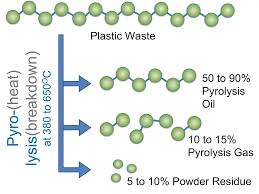
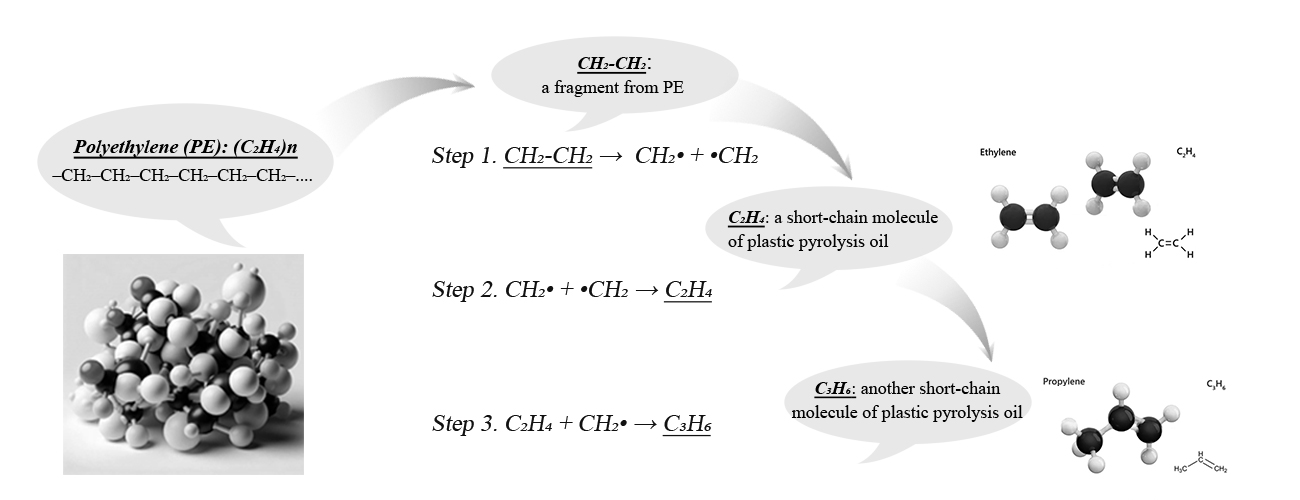
    Plastic pyrolysis is a thermochemical process in which plastic materials are heated in the absence of oxygen, breaking long polymer chains into smaller molecules. The primary outputs of plastic pyrolysis are:

    • Pyrolysis oil (liquid fuel): Can be used directly as fuel or refined into diesel, gasoline, or other chemical feedstocks.
    • Syngas: A combustible gas mixture that can be used to power the pyrolysis process itself or generate electricity.
    • Char (solid residue): Can be used as a carbon additive or in construction materials.

    Applications and Market Potential

    Plastic pyrolysis plants are increasingly adopted worldwide, particularly in regions struggling with plastic waste management. Applications include:

    • Industrial and municipal waste management
    • Production of diesel, gasoline, and other liquid fuels
    • Supplementing energy for industrial operations
    • Circular economy initiatives by turning waste into valuable products

    The global push for sustainability and renewable energy makes plastic-to-fuel pyrolysis a rapidly growing sector with significant investment potential.

    Conclusion

    Plastic pyrolysis is more than just waste management — it’s a bridge between environmental responsibility and energy production. By transforming plastic waste into fuel, industries and governments can simultaneously tackle pollution and generate renewable energy, contributing to a cleaner and more sustainable future.

  • Unlocking the Potential of Wood Pyrolysis in Finland

    Finland is a country rich in forest resources, making it an ideal place for wood pyrolysis applications. With sustainability and renewable energy at the forefront of national policy, converting wood into biochar, charcoal, and bio-oil has become increasingly important. Using a wood to charcoal machine, forest residues and low-value wood can be transformed into valuable products that support both energy needs and environmental goals.

    Why Finland is Ideal for Wood Pyrolysis

    Finland’s vast forests provide a steady supply of raw material for pyrolysis. Forest management practices generate substantial amounts of residues, including branches, bark, and sawdust, which would otherwise remain underutilized. A wood to charcoal machine can efficiently process these materials, turning them into high-quality charcoal and biochar for energy production, soil enhancement, and industrial use.

    Moreover, Finland’s commitment to renewable energy and circular economy strategies creates a favorable regulatory environment for wood pyrolysis projects. This makes investment in wood to charcoal machine technology not only environmentally responsible but also economically attractive.

    Wood-Charcoal-Making-Machine-Display-01

    Applications and Benefits

    • Energy Production: Charcoal and pyrolysis oil generated from wood can be used as sustainable fuels, reducing dependence on fossil fuels.
    • Soil Improvement: Biochar produced in a wood to charcoal machine improves soil fertility and helps with carbon sequestration, contributing to climate goals.
    • Waste Utilization: Wood residues, bark, and other low-value biomass can be converted into valuable products instead of being burned or left to decompose.
    • Industrial Use: Charcoal from wood pyrolysis can serve in metallurgical industries, barbecue charcoal, and other commercial applications.

    Economic and Environmental Impact

    Investing in wood pyrolysis with a wood to charcoal machine supports Finland’s sustainable forest industry. It creates opportunities for rural economies by adding value to forestry by-products, reduces waste, and lowers greenhouse gas emissions. Additionally, pyrolysis residues can be integrated into energy grids or sold commercially, offering multiple revenue streams.

    Conclusion

    Wood pyrolysis in Finland represents a perfect synergy between forestry resources and sustainable technology. A wood to charcoal machine transforms low-value wood into high-value products, helping Finland achieve energy efficiency, environmental protection, and economic growth. For countries with abundant forest resources like Finland, wood pyrolysis is not just a technology—it’s a pathway to a greener and more sustainable future.

  • Plastic Pyrolysis: Understanding the Science

    Plastic waste management is a pressing global issue, and pyrolysis is a chemical process that converts plastics into oil, gas, and carbon residue. While equipment like the Beston plastic pyrolysis plant is widely referenced, the key focus should be on the underlying principles and reactions rather than specific brands.

    Pyrolysis Principles

    Plastic pyrolysis involves thermal decomposition in an oxygen-limited environment. High molecular weight polymers break down into smaller organic molecules at temperatures typically between 350–500°C. The type of plastic (PE, PP, PS, etc.) significantly influences the distribution of liquid oil, gas, and solid carbon.

    Process Overview

    1. Feedstock Preparation: Waste plastics are sorted, cleaned, and shredded to remove impurities and ensure uniform heating. PVC and plastics with halogens should be avoided due to toxic gas formation.
    2. Pyrolysis Reaction: Plastics are heated in a reactor. Thermal cracking converts long polymer chains into volatile hydrocarbons.
    3. Condensation and Collection: The resulting vapor is cooled and condensed into liquid fuel, while non-condensable gases may be reused as fuel for the heating system.
    4. Carbon Residue Handling: The solid fraction left after pyrolysis, often called char or carbon black, can be processed further or used in industrial applications.

    Key Considerations

    • Controlling temperature and residence time is critical for optimizing liquid yield.
    • Preprocessing ensures consistent feedstock and reduces contamination.
    • Proper gas treatment is essential to prevent environmental pollution.

    Applications and Implications

    Pyrolysis provides a method to recover energy from plastic waste, producing usable fuels and materials while reducing landfill pressure. Understanding the reaction mechanisms and process parameters allows for improved product quality, higher yield, and reduced environmental impact.

    Conclusion

    While plastic pyrolysis is fundamentally a chemical and thermal process, equipment design significantly influences efficiency, yield, and safety. For example, systems like the Beston plastic pyrolysis plant are engineered to provide controlled heating, effective condensation, and safe handling of byproducts, which can improve operational consistency and environmental performance. Studying such equipment allows researchers and operators to better understand process optimization, reactor design, and waste-to-energy conversion, without focusing on branding or commercial promotion. Ultimately, the principles remain the same: converting plastic waste into usable fuels and carbon materials through careful temperature and residence time management.

  • Continuous Tyre Pyrolysis Plant Paves the Way for Sustainable Energy and Circular Economy

    In recent years, the environmental and economic impact of tyre waste has become a growing concern worldwide. Millions of tyres reach the end of their life cycle every year, creating mounting pressure on landfills and incineration systems. Traditional disposal methods often release harmful pollutants, contributing to air and soil contamination. Amid this backdrop, continuous tyre pyrolysis plants have emerged as a promising solution, offering an innovative pathway to not only manage waste but also extract valuable resources from it.

    A continuous tyre pyrolysis plant stands out from batch systems due to its scalability and operational efficiency. Instead of processing waste tyres in intermittent cycles, it operates seamlessly, allowing for higher throughput and steady production of pyrolysis oil, carbon black, and steel. This continuous approach is particularly attractive to industries seeking both sustainability and profitability.

    One of the most significant advantages lies in the economic potential of the output materials. Pyrolysis oil, for instance, can serve as a substitute for traditional fuel oils in industrial heating or power generation. With rising energy costs and fluctuating crude oil markets, industries are increasingly exploring alternative energy sources. Continuous tyre pyrolysis plants thus not only address waste management challenges but also create opportunities for energy diversification. Carbon black, another byproduct, has applications in rubber manufacturing, inks, and coatings, which positions pyrolysis plants as a supplier to multiple industries. Moreover, the recovery of steel from tyres adds another layer of revenue and resource efficiency.

    From an environmental perspective, continuous pyrolysis plant contributes to a circular economy model. By converting waste tyres into usable products, they reduce reliance on virgin resources and lower carbon footprints. Many countries are setting ambitious targets for tyre recycling and sustainable energy, and the adoption of pyrolysis technology aligns well with these policy directions. The reduction of open burning and landfill deposition also mitigates harmful emissions, including dioxins and particulate matter, which are common in conventional disposal methods.

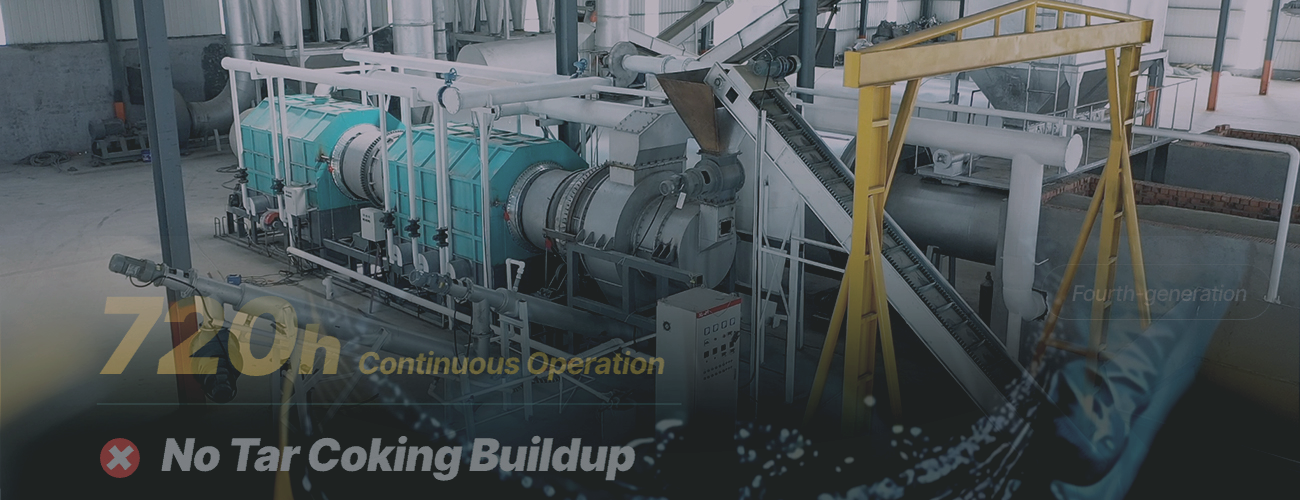
    Continuous Pyrolysis Plant Banner

    Furthermore, continuous tyre pyrolysis plants are increasingly attracting attention from investors and governments due to their potential for integration with other renewable energy projects. For example, coupling tyre pyrolysis with biomass energy or solar-driven processing can enhance overall energy efficiency while reinforcing environmental compliance. Companies are exploring hybrid models where pyrolysis plants serve as hubs for multiple waste-to-energy operations, creating synergies across different sectors.

    Innovation in reactor design and automation also adds a layer of competitiveness to continuous pyrolysis technology. Modern plants incorporate sophisticated monitoring and control systems that optimize reaction conditions, minimize energy consumption, and ensure consistent product quality. Such advancements not only improve operational efficiency but also enhance market credibility, particularly in regions with strict environmental regulations.

    The global outlook for continuous tyre pyrolysis plants is promising. As awareness of environmental issues grows and the demand for sustainable materials rises, the industry is poised for steady expansion. Emerging markets in Asia, Europe, and South America are increasingly investing in these technologies, driven by supportive policies, rising energy demands, and industrial diversification goals. Furthermore, research into advanced catalysts and process optimization could enhance the yield and quality of pyrolysis products, making these plants even more economically attractive.

    In conclusion, continuous tyre pyrolysis plants are more than just a waste management solution—they are a catalyst for sustainable industrial growth and circular economy adoption. By transforming discarded tyres into valuable resources, these plants offer both environmental benefits and financial opportunities, positioning themselves as a key player in the evolving landscape of renewable energy and industrial sustainability.

  • The Efficiency of Continuous Plastic-to-Oil Machine

    In today’s world, plastic waste is one of the biggest environmental challenges. With millions of tons of plastic being discarded annually, finding innovative ways to recycle or repurpose this material is critical. A plastic-to-oil machine offers a promising solution, particularly in its continuous form, which allows for large-scale processing with minimal interruption. In this article, we’ll explore how a continuous plastic-to-oil machine works, the amount of waste it can handle, and its oil output efficiency.

    1. How the Continuous Plastic-to-Oil Machine Works

    A continuous plastic-to-oil machine uses a thermochemical process called pyrolysis to convert waste plastics into valuable fuels, such as diesel or gasoline. The machine heats plastic waste to high temperatures (around 400–500°C) in an oxygen-free environment. This breakdown process results in three main byproducts:

    • Pyrolysis oil (liquid fuel)
    • Carbon black (a valuable industrial material)
    • Syngas (gaseous fuel, often used to power the reactor itself)

    The continuous nature of the machine allows it to run non-stop, feeding in plastic waste while simultaneously converting it into these byproducts, making it suitable for high-volume operations.

    2. Annual Waste Processing Capacity

    A significant advantage of the continuous plastic-to-oil machine is its high capacity for processing plastic waste. In a year, such a machine can eliminate up to 6,000 tons of plastic waste, turning it into useful products instead of leaving it to end up in landfills or the ocean. The continuous operation not only helps tackle the global plastic waste crisis but also creates a sustainable recycling solution for communities and industries.

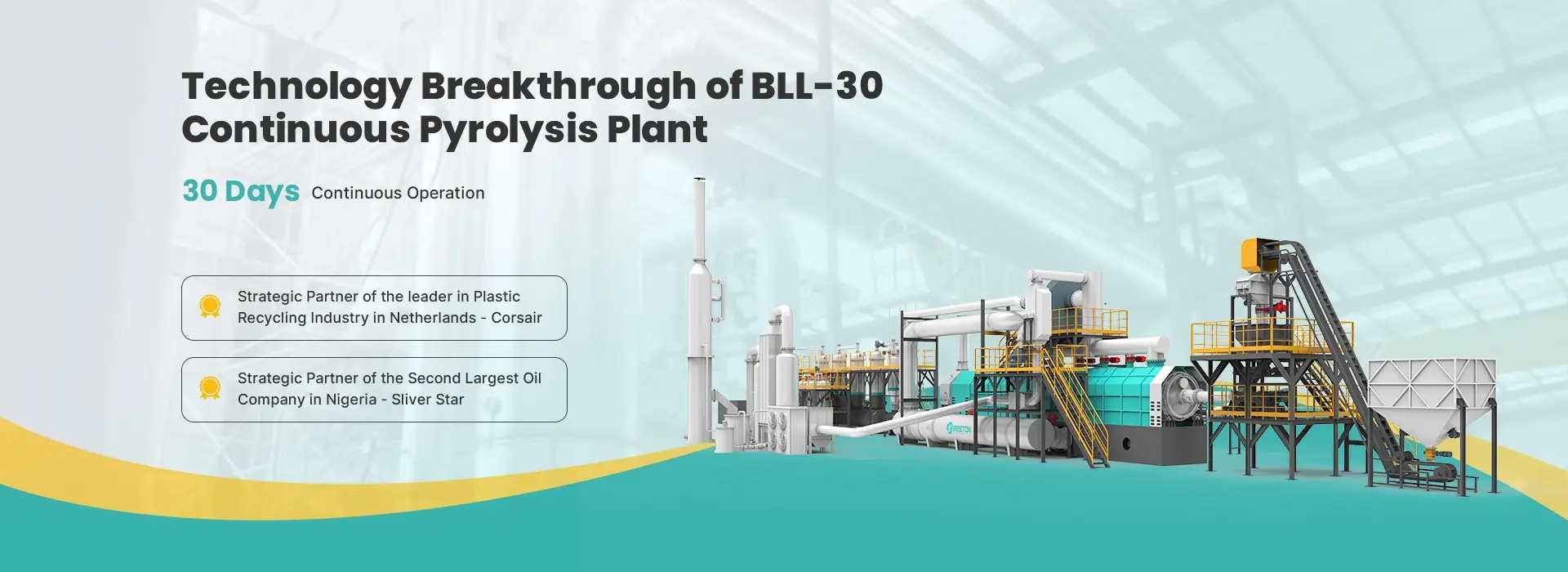
    BLL-30-Plastic-to-Oil-Machine

    3. Oil Output Efficiency: What You Can Expect

    One of the most important questions surrounding plastic-to-oil technology is the oil yield. The efficiency of oil production depends on several factors, such as:

    • Type of plastic: Different plastics (PE, PP, PS, etc.) yield different amounts of oil.
    • Machine technology: Advanced machines with better heat control and pyrolysis conditions tend to produce higher oil output.
    • Quality of the plastic waste: Cleaner, sorted plastics typically yield more oil compared to mixed or contaminated materials.

    Generally, the oil yield from a continuous plastic to oil machine ranges from 45% to 80% of the processed plastic weight, depending on the factors mentioned above. For example, if 6,000 tons of plastic waste are processed annually, you can expect an oil output of approximately 2,700 to 4,800 tons of oil each year.

    4. The Environmental Impact: A Cleaner Future

    By processing waste plastic into oil, these machines not only help reduce plastic waste but also contribute to lowering the environmental burden of fossil fuel extraction. The pyrolysis oil produced can be refined into various types of fuels, reducing the need for petroleum-based products.

    Furthermore, the carbon black produced during the process has numerous industrial applications, such as in the manufacture of tires and rubber products. This turns what would otherwise be waste into useful resources, further promoting the circular economy.

    5. Conclusion: A Step Toward Sustainable Plastic Waste Management

    A continuous plastic-to-oil machine is more than just a recycling tool; it’s a key player in addressing the global plastic waste crisis. With the ability to eliminate 6,000 tons of plastic waste annually and produce high-quality fuels with oil yields ranging from 45% to 80%, these machines are helping turn plastic waste into valuable, usable resources. As technology continues to evolve, the efficiency and capacity of these machines will only improve, offering even greater solutions for waste management and energy production in the future.

  • Waste Tire Pyrolysis: The Green Recycling Path for End-of-Life Tires

    Every year, millions of waste tires are discarded worldwide, creating a major environmental challenge. Traditional disposal methods such as landfilling and incineration not only waste valuable resources but also pose serious threats to soil, air, and water. Waste tire pyrolysis has emerged as an innovative and sustainable solution, turning end-of-life tires into useful products while reducing pollution.

    What Is Tire Pyrolysis?

    Tire pyrolysis is a thermochemical process in which waste tires are heated in the absence of oxygen. Unlike incineration, pyrolysis does not burn the tires. Instead, it breaks down rubber polymers into smaller molecules, producing:

    • Pyrolysis oil – an alternative fuel or raw material for refining.
    • Carbon black – widely used in the rubber, plastic, and pigment industries.
    • Steel wire – recycled and reused in the steel industry.
    • Syngas – a clean energy source that can power the tyre pyrolysis plant itself.

    This closed-loop approach allows maximum resource recovery with minimal waste.

    Advantages of Waste Tire Pyrolysis Plant

    A waste tire pyrolysis plant offers multiple benefits:

    1. Environmental protection – prevents tires from piling up in landfills and reduces harmful emissions.
    2. Energy recovery – converts waste into alternative fuels and industrial raw materials.
    3. Economic value – creates profitable by-products that can be sold in global markets.
    4. Sustainability – supports the circular economy by transforming waste into resources.

    Waste-Tyre-Pyrolysis-Plant

    Applications of Pyrolysis Products

    • Pyrolysis oil: Can be refined into diesel or used in cement plants, boilers, and power stations.
    • Recovered carbon black: Enhances tire production, plastic compounding, and coatings.
    • Steel wire: Sent to steel mills for recycling.
    • Syngas: Used for electricity generation or heating within the pyrolysis facility.

    The Future of Green Tire Recycling

    As countries set stricter regulations on waste management and carbon emissions, the demand for tyre pyrolysis plants is expected to rise. Advanced technologies, such as continuous pyrolysis systems, are making the process safer, more efficient, and more eco-friendly.

    By turning waste tires into energy and valuable materials, pyrolysis represents a true green recycling path that addresses both environmental and economic challenges.

  • Oil Sludge Pyrolysis Plant: Key Considerations for Safety and Compliance

    The oil sludge pyrolysis process is an essential part of managing industrial waste, specifically the byproducts of petroleum and other hydrocarbon-based industries. This process transforms waste oil sludge into valuable byproducts, such as fuel oil, gas, and carbon black, all while reducing environmental impact. However, operating an oil sludge pyrolysis plant comes with its own set of challenges, particularly in terms of safety and compliance. This blog will highlight the key considerations for ensuring safety and regulatory adherence when running an oil sludge pyrolysis plant.

    1. Understanding the Risks: Safety First

    Before diving into the operational side of an oil sludge pyrolysis plant, it’s crucial to understand the safety risks involved. Pyrolysis itself involves high temperatures (often exceeding 450°C) and complex chemical reactions that can generate hazardous fumes, gases, and potentially volatile byproducts.

    Key safety risks include:

    • High-Temperature Hazards: The pyrolysis process involves extremely high temperatures, which can pose a significant risk of fires and burns if equipment fails or is improperly handled.
    • Toxic Gas Emissions: The pyrolysis of oil sludge can produce toxic gases, including carbon monoxide, sulfur compounds, and benzene, which can be dangerous if inhaled.
    • Equipment Failures: Improper operation or poorly maintained equipment can lead to catastrophic failures such as leaks, explosions, or fires.

    To mitigate these risks, plant operators must ensure that all equipment is properly maintained, and safety protocols must be strictly followed.

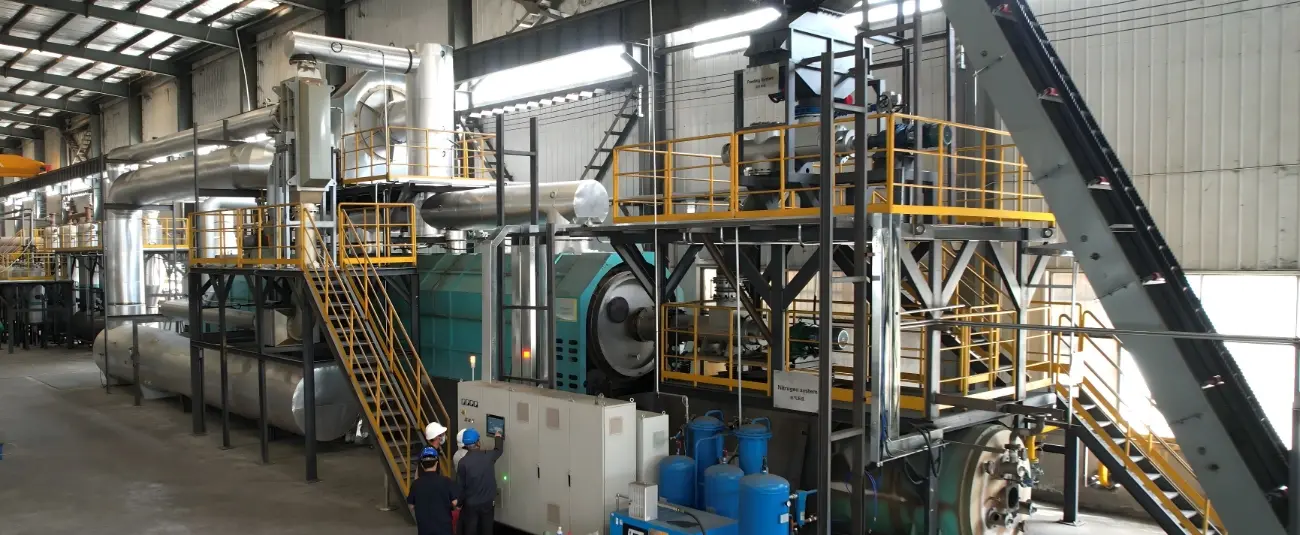
    Continuous Oil Sludge Pyrolysis Plant

    2. Comprehensive Safety Measures

    To protect both employees and the environment, a robust safety plan is necessary. Here are some essential safety measures:

    • Fire and Explosion Prevention: A thorough understanding of the fire and explosion risks is crucial. All pyrolysis equipment should be fitted with flame arrestors, explosion-proof vents, and automatic shutdown systems to prevent catastrophic failures.
    • Leak Detection Systems: Implement gas leak detectors and pressure relief systems to monitor and control the release of harmful gases during the process. Regular inspections are vital to detect any potential issues before they escalate.
    • Emergency Response Training: Personnel must undergo rigorous training to respond quickly and effectively in the event of an emergency. This includes evacuation procedures, handling hazardous materials, and using fire suppression systems.
    • Personal Protective Equipment (PPE): Workers should always wear appropriate PPE, including heat-resistant gloves, fire-resistant clothing, respiratory protection, and face shields to protect against high heat and harmful chemicals.

    3. Regulatory Compliance

    Operating an oil sludge pyrolysis plant requires adherence to numerous regulations at local, national, and international levels. Compliance is not just about avoiding fines and penalties but also about ensuring the long-term sustainability of the operation and the environment.

    Key regulatory concerns include:

    • Emissions Standards: Pyrolysis plants must comply with air quality standards set by environmental agencies. This includes controlling emissions of particulate matter, volatile organic compounds (VOCs), and other harmful pollutants. The use of advanced scrubbers, filters, and condensers is necessary to minimize emissions.
    • Waste Management Regulations: Proper disposal of byproducts, including carbon black and other residues, must follow waste management protocols. In many countries, there are strict rules about how waste from pyrolysis plants is treated and disposed of.
    • Environmental Impact Assessments (EIA): An EIA is typically required before the construction or expansion of an oil sludge pyrolysis facility. The assessment evaluates the potential environmental impacts and outlines measures to mitigate negative effects.
    • Occupational Health and Safety (OHS) Standards: Compliance with OHS regulations is crucial to ensure that the workplace is safe for all employees. This includes proper ventilation, machinery maintenance, and noise control measures.

    4. Continuous Monitoring and Reporting

    To maintain both safety and regulatory compliance, continuous monitoring of key parameters is essential. This includes monitoring the temperature and pressure of the pyrolysis reactor, air emissions, and chemical outputs. Using automated control systems can help maintain optimal operating conditions and provide real-time data for better decision-making.

    Regular reports should also be submitted to regulatory authorities, detailing the plant’s emissions, waste disposal practices, and safety measures. Failure to submit accurate and timely reports could lead to fines or operational shutdowns.

    5. Sustainability and Environmental Impact

    One of the main advantages of oil sludge pyrolysis is its ability to reduce the environmental impact of waste oil sludge. However, it’s essential to ensure that the entire process remains as environmentally friendly as possible.

    Sustainability considerations include:

    • Energy Efficiency: The pyrolysis process itself can be energy-intensive. Incorporating energy recovery systems, such as utilizing the waste gas produced during pyrolysis as a fuel source, can improve the overall energy efficiency of the plant.
    • Water Usage: Water may be used in cooling systems or cleaning processes. Minimizing water consumption and ensuring wastewater is treated before release can reduce the environmental footprint.
    • Carbon Footprint: While pyrolysis reduces the volume of waste, the carbon emissions from the process need to be controlled. Implementing carbon capture technologies or offsetting carbon emissions through green initiatives is critical for meeting sustainability goals.

    6. Choosing the Right Technology and Equipment

    To achieve optimal safety, efficiency, and compliance, it’s essential to choose the right pyrolysis technology and equipment. The market offers various pyrolysis reactors and systems, each with different features and capabilities. When selecting equipment, consider factors such as:

    • Automation and Control Systems: Automated systems help to reduce human error and ensure that all processes are running within safe parameters.
    • Materials and Construction Quality: High-quality, durable materials for the construction of reactors and associated equipment can significantly reduce the risk of malfunctions.
    • Scalability and Flexibility: A system that can scale to handle increasing volumes of sludge or adapt to changing feedstocks can offer long-term operational benefits.

    Conclusion

    Operating an oil sludge pyrolysis plant involves a delicate balance of safety, efficiency, and compliance. By understanding the potential risks and implementing effective safety measures, plant operators can protect both personnel and the environment. Additionally, staying on top of regulatory requirements and striving for sustainability will not only help avoid costly fines but also ensure the plant operates in a responsible and efficient manner.

    The future of oil sludge pyrolysis looks promising, but it is crucial that operators continue to innovate and adapt to evolving technologies and regulations to stay ahead in this rapidly growing industry.

  • Oil Sludge Management in Offshore Platforms: The Role of Thermal Desorption

    Oil sludge, a byproduct of drilling and production activities, is an inevitable consequence of offshore oil and gas extraction. As offshore platforms continue to play a crucial role in global energy production, managing oil sludge efficiently is becoming a pressing issue. Among the various methods for treating oil sludge, thermal desorption stands out as a highly effective and environmentally friendly solution. In this blog post, we’ll explore the role of thermal desorption in managing oil sludge on offshore platforms and how it is helping to reduce environmental impact and enhance operational efficiency.

    What is Oil Sludge and Why Does it Matter?

    Oil sludge is a mixture of water, oil, and solid contaminants that accumulates during oil production, drilling, and transportation processes. It is typically made up of a variety of materials, such as hydrocarbons, sand, metal debris, and other organic matter. These materials can be hazardous to both the environment and human health, making proper sludge management crucial.

    On offshore platforms, oil sludge can be challenging to manage due to the isolated nature of these operations. The presence of oil sludge not only causes storage and disposal issues but also affects equipment efficiency, leading to maintenance problems and potential risks to the surrounding marine ecosystem.

    Why Thermal Desorption is Ideal for Offshore Platforms

    Thermal desorption is a treatment method that uses heat to separate oil from sludge, effectively reducing waste volume and recovering valuable oil. The process involves heating the sludge to high temperatures, causing the oil and other volatile components to vaporize. These vapors are then collected and condensed, separating the oil from the waste solids. The remaining solids, which are now cleaner, can be disposed of safely or repurposed for other uses.

    Here’s why thermal desorption is particularly suited to offshore platforms:

    • Portability and Compact Design: Offshore platforms have limited space and need equipment that is both compact and efficient. Thermal desorption units can be designed to be modular and easily integrated into offshore operations. Their small footprint and high efficiency make them ideal for handling the continuous sludge production that occurs in offshore oil extraction.
    • Energy Efficiency and Flexibility: Thermal desorption units operate at relatively low temperatures and pressures compared to other thermal treatments, like incineration. This makes them more energy-efficient while still achieving high levels of oil recovery. Additionally, these units can be adjusted to suit varying sludge conditions, making them highly flexible.
    • Environmental Benefits: One of the main concerns with oil sludge is its potential to harm the marine environment. Traditional disposal methods, like offshore dumping or incineration, can result in pollution and unwanted emissions. Thermal desorption, on the other hand, significantly reduces the environmental impact. By recovering oil and minimizing harmful waste, thermal desorption helps offshore platforms comply with stringent environmental regulations and maintain sustainable practices.
    • Reduced Disposal Costs: Offshore oil sludge disposal is expensive and complicated. Thermal desorption reduces the need for expensive offsite disposal, as the recovered oil can be reintegrated into the production process, and the remaining solids can be safely disposed of. This translates into significant cost savings for operators.
    • Improved Operational Efficiency: The heat treatment process in thermal desorption also helps break down the contaminants in sludge, preventing them from clogging equipment and reducing maintenance requirements. Cleaner equipment leads to smoother operations and less downtime on offshore platforms.

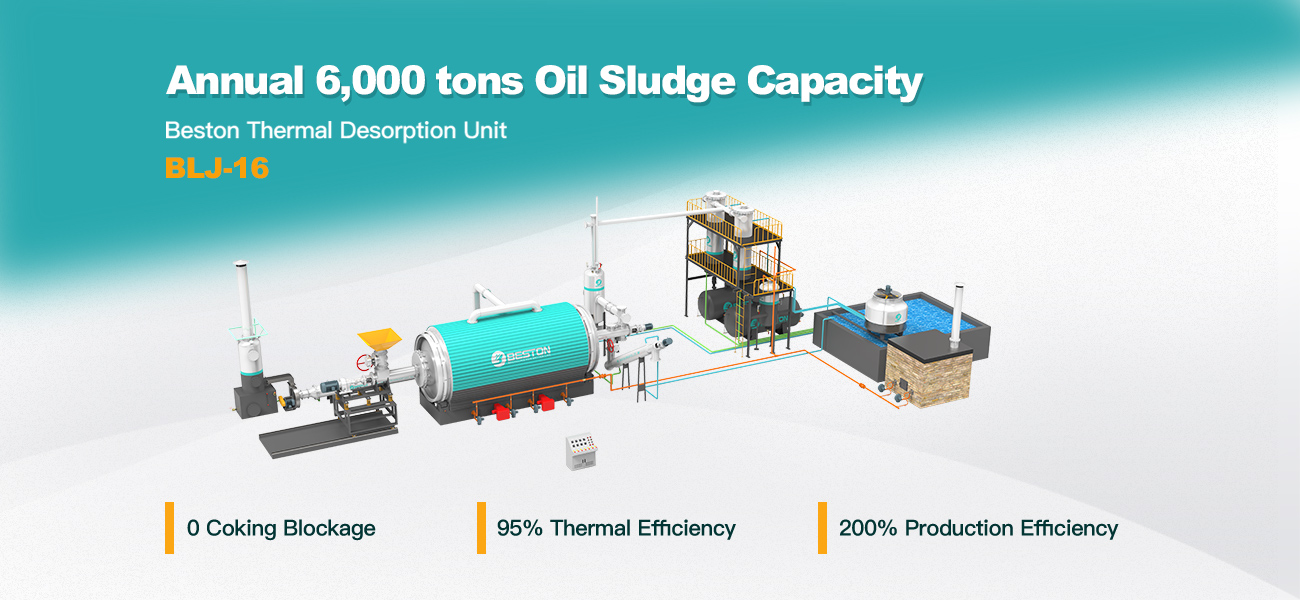
    BLJ-16 Thermal Desorption Unit

    Real-World Applications: Success Stories in Offshore Sludge Management

    Offshore companies are already seeing the benefits of using thermal desorption systems. For example, many oil platforms in the North Sea have integrated thermal desorption units to deal with large quantities of sludge produced during oil drilling. These systems have successfully helped recover oil while reducing the platform’s environmental footprint.

    Another notable example comes from an offshore operator in the Gulf of Mexico. By implementing a thermal desorption unit on their platform, they managed to significantly reduce the amount of oil sludge sent to land-based disposal sites, cutting their costs and decreasing the environmental risks associated with waste disposal.

    The Future of Oil Sludge Management on Offshore Platforms

    As technology evolves, so too does the potential for more efficient and sustainable oil sludge management methods. Thermal desorption is expected to continue playing a significant role in the offshore oil and gas industry, especially as demand for cleaner, more sustainable practices grows. The future may bring even more advanced systems, such as those incorporating automation, artificial intelligence, and data analytics to optimize performance and energy consumption.

    Conclusion

    Oil sludge management is a critical challenge on offshore platforms, but thermal desorption offers a solution that balances efficiency, cost-effectiveness, and environmental responsibility. By recovering valuable oil and reducing harmful waste, thermal desorption helps offshore operators meet regulatory standards, improve operational efficiency, and contribute to more sustainable offshore oil production.

    As the oil and gas industry faces increasing pressure to minimize its environmental impact, thermal desorption is proving to be an indispensable tool for the future of offshore platform operations.

  • Government Policies and Subsidies Driving Pyrolysis Adoption

    As plastic waste continues to overwhelm landfills and pollute oceans, many governments are searching for innovative solutions to reduce environmental damage while creating sustainable energy sources. One of the most promising technologies gaining global attention is the pyrolysis plant, which converts plastic waste into valuable products such as fuel oil, syngas, and char.

    Why Governments Support Pyrolysis

    Unlike traditional incineration, pyrolysis is a cleaner process that breaks down plastics in the absence of oxygen, minimizing harmful emissions. By encouraging investment in pyrolysis plants, governments can simultaneously address waste management challenges and energy security concerns.

    Key benefits include:

    • Waste reduction: Diverts large volumes of non-recyclable plastics away from landfills.
    • Energy recovery: Produces fuel that can substitute for fossil-based energy.
    • Economic potential: Creates jobs in construction, operation, and maintenance of pyrolysis plants.

    Policy Tools Accelerating Adoption

    Governments around the world are implementing a mix of strategies to accelerate the adoption of pyrolysis:

    1. Subsidies and Grants – Financial support helps offset the high capital cost of building a pyrolysis plant, making the technology more accessible to private investors.
    2. Tax Incentives – Tax reductions or credits encourage industries to process plastic waste using advanced recycling methods.
    3. Green Energy Mandates – Some regions classify pyrolysis-derived fuels as renewable, increasing their market value.
    4. Strict Waste Regulations – By restricting landfilling and single-use plastics, governments indirectly boost demand for alternative waste treatment methods like pyrolysis.

    Pyrolysis Equipment

    Examples from Around the World

    • European Union: The EU’s circular economy action plan promotes chemical recycling, including pyrolysis plants, as part of its plastics strategy.
    • United States: Several states have introduced legislation classifying pyrolysis as manufacturing rather than waste disposal, making it easier for plants to obtain permits.
    • India: The government offers subsidies to companies setting up small-scale pyrolysis plants for converting plastic waste into fuel oil.

    The Road Ahead

    While pyrolysis technology is promising, it still faces challenges such as high setup costs, inconsistent product quality, and the need for stronger market demand for pyrolysis oil. Continued government support through targeted subsidies, favorable policies, and R&D funding will be critical for scaling adoption.

    In the coming years, the pyrolysis plant may become a cornerstone of global waste-to-energy strategies, helping countries transition toward a more circular and sustainable economy.