Author: bestonpyrolysis

  • Two Recognized Major Applications in the Biochar Carbon Sink Market

    As the world grapples with the urgent need to mitigate climate change, biochar has emerged as a versatile and promising solution in the carbon sink market. Derived from the thermochemical decomposition of organic materials (biomass) in an oxygen-limited environment—a process called pyrolysis—biochar not only sequesters carbon for centuries but also delivers tangible economic and environmental benefits through its applications. Among the various uses of biochar, two stand out as widely recognized and commercially viable: soil amendment and construction materials. These applications not only leverage biochar’s carbon-storing capacity but also address critical global challenges, from food security to sustainable infrastructure.
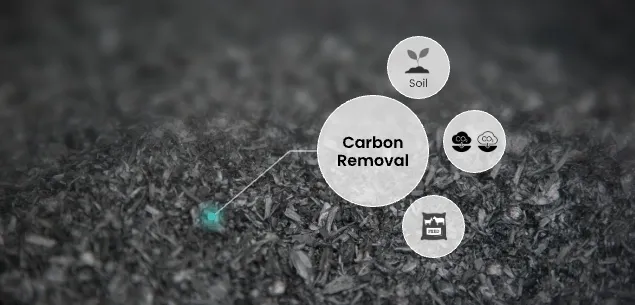
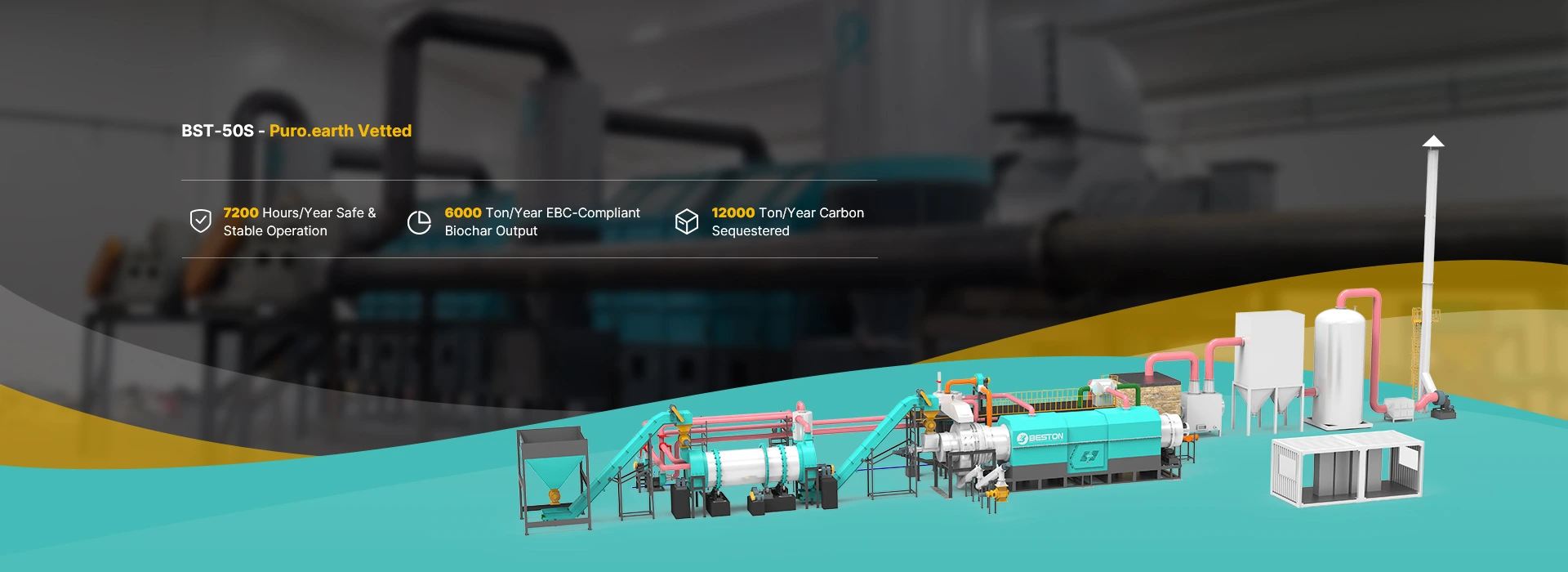
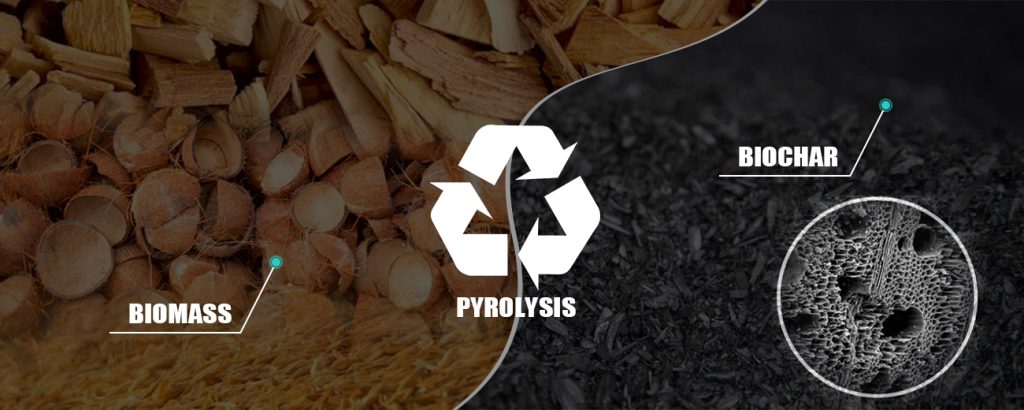
    Pyrolysis Biochar

    Soil Amendment: Boosting Agricultural Productivity While Sequestering Carbon

    Soil amendment remains the most established and extensively studied application of biochar, and its integration into agricultural practices has gained significant traction in the carbon sink market. The unique properties of biochar—including its high porosity, large surface area, and ability to retain nutrients and water—make it an ideal soil additive that enhances soil health and crop yields, all while locking carbon away from the atmosphere.

    One of the key benefits of biochar as a soil amendment is its ability to improve soil structure. Its porous nature acts like a sponge, retaining moisture in arid regions and preventing waterlogging in clayey soils. This moisture retention not only reduces irrigation needs but also helps crops withstand droughts, a growing concern amid climate change. Additionally, biochar’s surface area provides a habitat for beneficial microorganisms, which enhance nutrient cycling and reduce the need for synthetic fertilizers. A study by the International Biochar Initiative found that biochar application can increase crop yields by 5% to 30% in nutrient-poor soils, a game-changer for smallholder farmers in developing regions.

    From a carbon sink perspective, biochar’s stability is unparalleled. When applied to soil, it can sequester carbon for 1000 years or more, as the pyrolysis process converts labile biomass carbon into recalcitrant carbon that resists decomposition. This dual benefit—agricultural productivity and long-term carbon sequestration—has made soil amendment a cornerstone of biochar carbon credit programs. For example, in Australia, farmers who apply biochar to their soils can earn carbon credits under the Emissions Reduction Fund, creating a financial incentive to adopt the practice.

    Construction Materials: Building Sustainable Infrastructure with Carbon Storage

    In recent years, biochar’s application in construction materials has emerged as a rapidly growing and innovative segment of the carbon sink market. The construction industry is responsible for approximately 39% of global carbon emissions, making it a critical sector for decarbonization. Biochar’s incorporation into construction materials—such as concrete, mortar, and insulation—offers a way to reduce emissions while sequestering carbon in durable, long-lasting structures.

    Concrete is the most widely used construction material globally, and its production (specifically the cement component) releases large amounts of carbon dioxide. Research has shown that biochar can replace up to 10% of cement in concrete mixes without compromising structural integrity. Biochar’s porous structure improves the workability of concrete and enhances its resistance to cracking, as it absorbs excess moisture and reduces shrinkage. Moreover, the carbon in biochar is locked within the concrete for the lifetime of the structure, which can be 50 to 100 years or more. A 2023 study published in Construction and Building Materials demonstrated that biochar-infused concrete can sequester up to 15 kg of carbon per cubic meter, while reducing cement-related emissions by 8% to 12%.

    Beyond concrete, biochar is also used in insulation materials. Its high porosity and low thermal conductivity make it an effective insulator, reducing energy consumption for heating and cooling buildings. Biochar-based insulation is often made from agricultural waste, such as rice husks or corn stover, turning waste into a valuable, carbon-negative product. In Europe, several startups have launched biochar insulation products that meet strict building codes, and these products are now eligible for carbon credits under the EU’s Emissions Trading System.

    Now you may be interested in biochar production equipment. Both soil amendment and construction materials highlight biochar’s unique ability to turn carbon sequestration into a practical, revenue-generating solution. As governments and corporations ramp up their net-zero commitments, these two applications will play an increasingly vital role in scaling the biochar carbon sink market. By integrating biochar into agriculture and construction, we can not only reduce greenhouse gas emissions but also build more resilient, sustainable systems—proving that climate action and economic prosperity can go hand in hand.
  • Versatility in Biomass Feedstock in Charcoal Production

    In the global pursuit of sustainable energy and waste reduction, charcoal remains a vital resource—used in agriculture, industry, and households. However, the traditional charcoal production process is often inefficient, polluting, and limited to specific raw materials. Today, modern charcoal production machines are revolutionizing the industry by accepting a wide range of biomass feedstocks, turning waste into value while boosting sustainability. This versatility not only addresses waste management challenges but also makes charcoal production more accessible and cost-effective worldwide.

    The Critical Role of Biomass Versatility in Charcoal Production

    Biomass, the organic matter derived from plants and animals, is the lifeblood of charcoal production. Historically, charcoal makers relied heavily on hardwoods, leading to deforestation and ecosystem degradation in many regions. Moreover, this reliance on a single feedstock made production vulnerable to supply shortages and price fluctuations. Modern charcoal production machines solve these issues by accommodating diverse biomass types, transforming agricultural residues, forest by-products, and even municipal organic waste into high-quality charcoal. This shift not only reduces pressure on natural forests but also taps into the enormous potential of underutilized waste streams.

    The versatility of these machines is rooted in advanced design features, such as adjustable pyrolysis temperatures, modular feed systems, and adaptive crushing mechanisms. Unlike traditional kilns that require uniform, dense hardwood, modern equipment can process materials of varying sizes, densities, and moisture contents. This flexibility allows producers to source feedstock locally, cutting transportation costs and reducing carbon footprints. For example, a farmer in Southeast Asia can use rice husks, while a forest manager in Europe can utilize sawdust, and both can produce high-grade charcoal with the same machine.

    A Closer Look at Acceptable Biomass Types

    Modern charcoal production machine is engineered to handle an impressive array of biomass feedstocks, categorized into several key groups. Agricultural residues top the list, as they are abundant, low-cost, and often discarded as waste. These include rice husks, wheat straw, corn cobs, sugarcane bagasse, and coconut shells. Coconut shells, in particular, are highly valued for producing activated charcoal due to their high carbon content, and modern machines can process them without pre-treatment beyond crushing.

    Forest and wood industry by-products are another major feedstock category. Sawdust, wood chips, bark, and logging residues—once considered waste—are now prime materials for charcoal production. These materials are already dry and have a consistent carbon content, making them easy to process. In addition, the machines can handle softwoods like pine and spruce, which were previously unsuitable for traditional charcoal making due to their high resin content. By converting these by-products into charcoal, the wood industry reduces landfill waste and creates an additional revenue stream.

    Municipal and organic waste is a growing feedstock source, highlighting the machines’ role in circular economy systems. Food waste, garden clippings, and even sewage sludge (after proper treatment) can be processed into charcoal. While these materials require more pre-treatment—such as drying and pelletizing—modern machines integrate these steps into a seamless production line. For instance, in cities across Africa, community-led projects use charcoal production machines to convert food waste into charcoal, addressing both waste management and energy access issues.

    The Advantages of Versatile Charcoal Production Machine

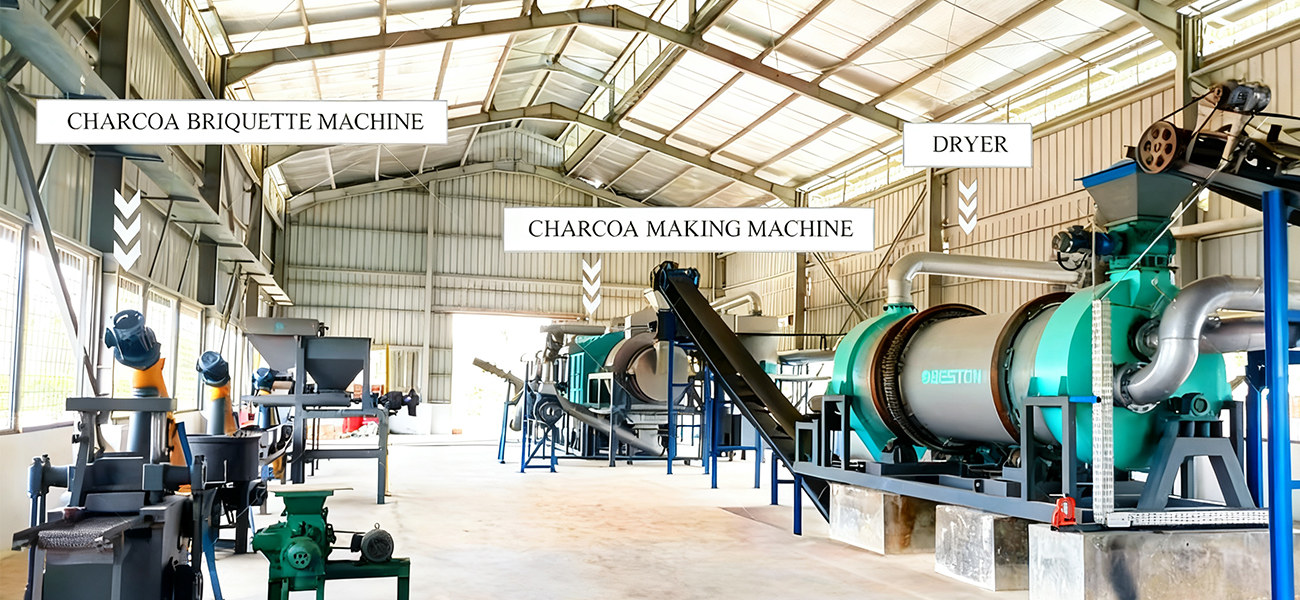
    Beston Group's Charcoal Making Machine

    The ability to accept different biomass feedstocks brings multiple benefits to producers, communities, and the environment. Economically, it reduces feedstock costs and supply chain risks. Producers no longer need to compete for scarce hardwoods; instead, they can use local waste materials, lowering operational expenses. This accessibility empowers small-scale producers, such as farmers and rural entrepreneurs, to enter the charcoal market and generate income.

    Environmentally, the versatility of these machines drives sustainability on multiple fronts. By using waste biomass, they reduce methane emissions from landfills—methane is a potent greenhouse gas with 28 times the warming potential of CO2 over 100 years. Additionally, replacing traditional hardwood-based charcoal production with waste-based production curbs deforestation and preserves biodiversity. The charcoal produced also sequesters carbon, making it a carbon-negative fuel when sourced from sustainable feedstocks.

    Technologically, the demand for versatile feedstock handling has spurred innovation in machine design. Manufacturers are developing compact, mobile units suitable for rural areas, as well as large-scale industrial machines for urban waste management. Many machines now integrate energy recovery systems, using the heat generated during pyrolysis to power the production process or supply electricity to nearby communities. This circular energy model further enhances the sustainability of charcoal production.

    Future Outlook: Expanding Versatility for a Greener World

    As the world intensifies efforts to combat climate change and achieve carbon neutrality, versatile charcoal production machines will play an increasingly important role. Research and development are focused on expanding the range of acceptable feedstocks even further, including algae and aquatic plants. These emerging feedstocks have the potential to address water pollution while producing charcoal, creating a double environmental benefit.

    Moreover, advancements in carbon capture and storage (CCS) technologies will complement these machines, allowing producers to sequester even more carbon from the production process. Governments and international organizations are also recognizing the potential of versatile charcoal production, offering subsidies and incentives for projects that use waste biomass. For example, the European Union’s Circular Economy Action Plan includes funding for biomass valorization projects, including charcoal production from waste.

    In conclusion, charcoal production machines that accept different biomass feedstocks are more than just industrial equipment—they are tools for sustainable development. By turning waste into value, reducing deforestation, and empowering local communities, these machines are reshaping the charcoal industry. As technology continues to advance, their versatility will only grow, making them a cornerstone of the global transition to a circular, low-carbon economy.

  • Will Pyrolysis Replace Incineration as the Mainstream Waste Solution?

    As the world grapples with mounting waste and urgent climate goals, the way we handle discarded materials is undergoing a fundamental shift. For decades, incineration​ has been the go-to technology for treating non-recyclable waste, though it faces growing scrutiny over its emissions and environmental impact. Meanwhile, pyrolysis—a process that transforms waste into valuable resources—is gaining significant attention. This raises a critical question: Could pyrolysis realistically replace incineration as the mainstream waste treatment method of the future? To understand this potential shift, it’s essential to examine how these two technologies differ in their approach and outcomes.

    A Clash of Methods: How Pyrolysis and Incineration Differ

    At its core, incineration relies on high-temperature combustion with excess oxygen, aiming to reduce waste volume and generate heat or electricity. The process completely oxidizes materials, leaving behind ash and flue gases that require rigorous cleaning to minimize pollutants like dioxins and heavy metals.
    In contrast, pyrolysis operates in the absence of oxygen, using controlled heat to decompose organic materials without burning them. This thermochemical breakdown produces useful outputs: liquid pyrolysis oil, synthetic gas, and solid char. Rather than merely destroying waste, pyrolysis is designed to recover resources, making it inherently more aligned with circular economy principles.

    The Case for Pyrolysis: A More Sustainable Alternative?

    What Is Biomass Pyrolysis

    Proponents argue that pyrolysis offers several compelling advantages that could help it displace incineration over time:

    • Resource Recovery Over Destruction​: Pyrolysis doesn’t just reduce waste—it converts it. Through plastic/tire/biomass pyrolysis plant, these materials can be turned into fuels, chemicals, or soil-enriching biochar, keeping materials in circulation and reducing reliance on virgin resources.
    • Lower Direct Carbon Impact​: Since pyrolysis does not involve combustion, it avoids directly releasing fossil-based CO₂ from materials like plastics. When processing biomass, the resulting biochar can even sequester carbon long-term, offering a potential carbon-negative pathway.
    • Reduced Emission Concerns​: Without open burning, pyrolysis typically generates lower volumes of flue gas and avoids certain pollutants associated with incineration, such as nitrogen oxides from high-temperature combustion. However, it still requires careful management of volatile organic compounds and other process emissions.
    • Alignment with Circular Economy Goals​: Governments and companies worldwide are committing to circularity. Pyrolysis provides a technical pathway to handle hard-to-recycle waste streams—such as mixed plastics or composite materials—while still recovering value, something incineration cannot do.

    The Hurdles: Why Pyrolysis Isn’t the Default Today

    Despite its promise, pyrolysis faces significant barriers to mainstream adoption:

    • Technological and Economic Maturity​: Incineration is a proven, large-scale technology with predictable economics. Advanced pyrolysis systems, especially those designed for heterogeneous waste streams, are still scaling up. The initial investment and operational complexity of pyrolysis equipment can be high, and consistent product quality remains a challenge for some feedstocks.
    • Feedstock Dependency​: Pyrolysis performs best with well-sorted, relatively consistent waste. In regions without strong waste separation systems, incineration’s ability to handle mixed municipal solid waste gives it a practical advantage.
    • Policy and Market Frameworks​: Incineration is often integrated into urban energy and waste management plans, sometimes with public funding or long-term contracts. Pyrolysis-derived products like pyrolysis oil need stable market demand and supportive policies—including recognition of chemical recycling—to compete.
    • Public and Regulatory Perception​: If pyrolysis is used primarily to produce low-grade fuels for burning, its environmental benefits diminish. Clear standards and transparency are needed to ensure it drives genuine material recovery, not just alternative waste disposal.

    The Path Forward: Replacement or Evolution?

    A straight “replacement” of incineration by pyrolysis is unlikely in the near term. Instead, the future will likely see a redefined division of roles:

    Pyrolysis for targeted streams:​ It may become the preferred method for specific, high-carbon waste like plastics, tires, and clean biomass—turning problem wastes into circular resources.

    Incineration as a final-stage solution:​ Modern, high-efficiency waste-to-energy plants with advanced emission controls may increasingly focus on treating truly non-recyclable residues, possibly integrated with carbon capture technologies.
    Integrated systems:​ The most sustainable approach will combine prevention, reuse, mechanical recycling, pyrolysis for chemical recycling, and minimal, highly controlled incineration for final residues—all within a smart, tiered waste management system.

    Conclusion

    Pyrolysis has strong potential to become a mainstream solution for certain waste streams, especially as circular economy and decarbonization goals gain traction globally. However, its ability to rival or replace incineration on a broad scale depends on more than technological merit.
    Success will require systemic enablers: consistent waste sorting, supportive regulations, market demand for recycled feedstocks, and continued innovation in pyrolysis equipment​ to improve efficiency and affordability. In the end, the goal is not simply to swap one technology for another, but to transition toward a system where waste is minimized, materials are kept in use, and any required treatment—whether pyrolysis, gasification, or advanced incineration—is aligned with a regenerative, low-carbon future.

    Pyrolysis is poised to play a central role in that future, but as part of a diversified, integrated toolkit—not necessarily as the sole successor to incineration.

  • Economic Perspective: Analyzing Pyrolysis Plant Costs

    In the global pursuit of sustainable waste management and renewable energy, pyrolysis plants have emerged as a promising solution. These facilities convert organic waste, such as biomass and plastic, into valuable products like biofuel, syngas, and char. However, the commercial viability of a pyrolysis plant hinges heavily on cost control and economic efficiency. From initial setup to long-term operation, every cost component plays a pivotal role in determining whether the plant can deliver returns while fulfilling its environmental goals. This article delves into the key cost drivers of pyrolysis plants from an economic standpoint, offering insights for investors, policymakers, and industry stakeholders.

    Capital Expenditure: The Foundation of Pyrolysis Plant Costs

    Capital expenditure (CAPEX) constitutes the largest upfront cost for pyrolysis plant development, encompassing several critical components. Site selection and preparation are among the first financial considerations. A suitable site must meet technical requirements, such as proximity to waste feedstock sources and energy off-takers, as well as regulatory standards for environmental protection. Site preparation involves land clearing, infrastructure development (including roads, water supply, and electricity connections), and soil remediation if necessary—costs that vary significantly based on location and existing conditions.

    Equipment procurement is another major CAPEX driver. The core pyrolysis reactor, along with auxiliary systems like feedstock preprocessing units (shredders, dryers), heat recovery systems, and product separation equipment, accounts for a substantial portion of upfront spending. The complexity and capacity of the equipment directly influence costs: larger plants or those designed for specialized feedstocks (such as mixed plastics) require more advanced and durable machinery. Additionally, customization to meet local environmental regulations—such as emissions control systems—adds to pyrolysis plant cost but is non-negotiable for long-term operation.

    Permitting and regulatory compliance also contribute to CAPEX. Securing environmental impact assessments, operating licenses, and safety certifications involves administrative fees, consultant charges, and potential modifications to plant design to meet regulatory benchmarks. These costs are often underestimated but can cause delays if not properly budgeted, leading to additional expenses.

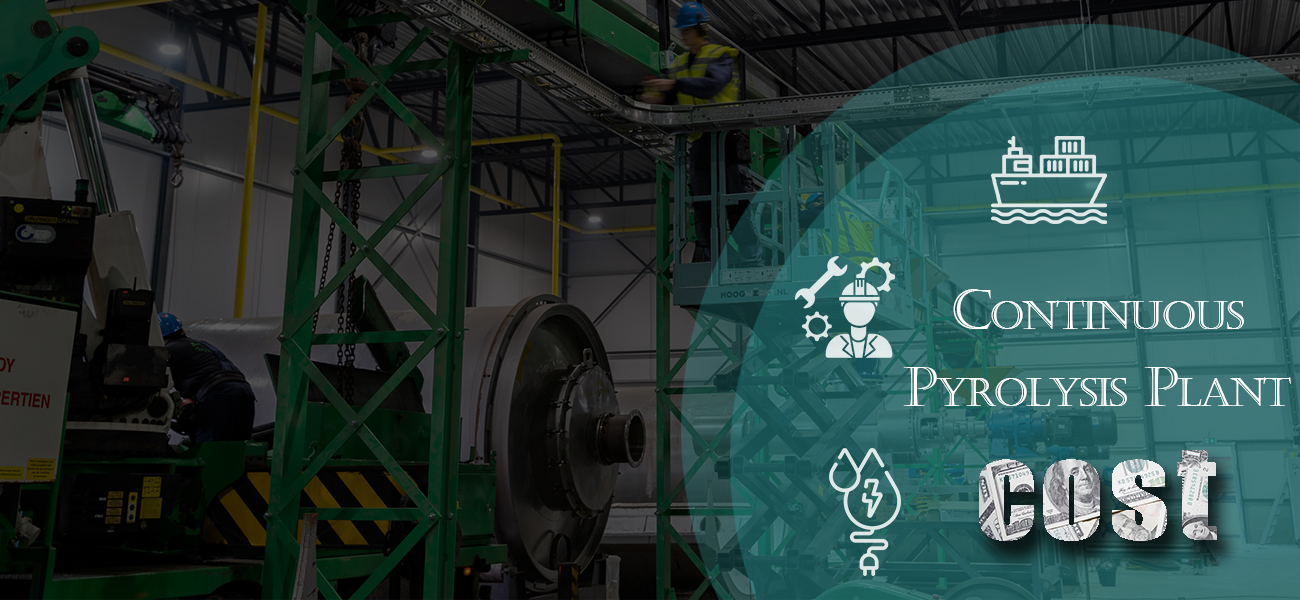
    Continuous-Pyrolysis-Plant-Cost

    Operational Expenditure: Sustaining Day-to-Day Operations

    Operational expenditure (OPEX) is an ongoing financial commitment that determines the plant’s profitability over its lifespan. Feedstock costs are typically the largest OPEX component. The type, availability, and transportation of feedstock directly impact expenses: locally sourced biomass may have lower transportation costs but could be subject to seasonal price fluctuations, while plastic waste might require sorting and cleaning, increasing preprocessing expenses. In regions with limited waste management infrastructure, securing a consistent feedstock supply may require long-term contracts, which can stabilize costs but reduce flexibility.

    Energy and labor costs are also significant OPEX drivers. Pyrolysis is an energy-intensive process, and plants often rely on external energy sources during startup or periods of low syngas production—though integrating heat recovery systems can offset some of these costs. Labor costs depend on the plant’s automation level: highly automated facilities require fewer operational staff but have higher maintenance costs for complex machinery. Regular maintenance is essential to prevent downtime, as unplanned outages can lead to lost production and increased repair expenses.

    Hidden Costs and Risk Mitigation

    Beyond CAPEX and OPEX, hidden costs can undermine a pyrolysis plant’s economic viability. Waste disposal costs for by-products (such as ash or unrecyclable residues) are often overlooked, as are the costs of upgrading product quality to meet market standards. For example, biofuel produced from pyrolysis may require additional refining to comply with fuel specifications, adding to overall expenses.

    Market risks also translate to financial costs. Fluctuations in the price of alternative fuels (such as fossil fuels or conventional biofuels) can reduce the demand for pyrolysis products, while changes in waste management policies may affect feedstock availability or subsidies. Mitigating these risks requires diversifying product portfolios (e.g., producing both biofuel and char) and securing long-term offtake agreements with buyers.

    Cost Optimization Strategies

    Optimizing pyrolysis plant costs requires a holistic approach. Scaling operations can reduce unit costs, as larger plants benefit from economies of scale in equipment procurement and feedstock transportation. Integrating the plant with existing industrial facilities—such as using waste heat from a nearby factory or supplying syngas to a power plant—can also lower energy and transportation costs.

    Investing in research and development (R&D) is another key strategy. Advances in reactor design and catalyst technology can improve energy efficiency and product yield, while innovations in feedstock preprocessing can reduce waste and increase input flexibility. Additionally, leveraging government subsidies or carbon credits for renewable energy production can offset upfront costs and improve cash flow.

    In conclusion, analyzing pyrolysis plant costs from an economic perspective requires a comprehensive understanding of CAPEX, OPEX, and hidden risks. While the upfront investment is significant, strategic planning—including site selection, equipment optimization, and risk mitigation—can enhance profitability. As the world transitions to a circular economy, pyrolysis plants have the potential to deliver both environmental and economic benefits, but only if cost drivers are carefully managed and optimized.

  • Pyrolysis vs. Kiln Carbonization: Why Pyrolysis Is the More Environmentally Friendly Method

    Carbonization—the process of converting biomass into charcoal—is an ancient practice that has evolved over centuries. Traditionally, this process was performed using kilns, which, while effective, often come with significant environmental drawbacks. In recent decades, pyrolysis has emerged as a cleaner alternative, offering advantages in efficiency, energy use, and emissions control. In this article, we will explore the differences between pyrolysis and kiln-based carbonization, with a particular focus on why pyrolysis is considered the more environmentally friendly method.

    Understanding Kiln Carbonization

    Kiln carbonization is the traditional method of producing charcoal. It involves loading wood or other biomass into a sealed or semi-sealed chamber and heating it slowly at high temperatures, typically between 400–700°C, in the absence of oxygen. This process drives off water and volatile compounds, leaving behind carbon-rich charcoal.

    While kilns are straightforward and relatively low-cost, they have notable environmental issues. Traditional earth kilns and metal retorts are often inefficient in fuel use, requiring significant amounts of wood to produce a small amount of charcoal. More importantly, they release large quantities of smoke, particulate matter, and volatile organic compounds into the atmosphere. These emissions contribute to air pollution, respiratory health problems, and greenhouse gas accumulation. In regions where kiln carbonization is widespread, such as parts of Africa, Asia, and South America, the environmental impact is amplified by deforestation and unsustainable biomass harvesting.

    What Is Pyrolysis?

    Pyrolysis is a modern thermochemical process that decomposes organic materials at high temperatures in an oxygen-limited environment. Unlike kiln carbonization, pyrolysis is a more controlled process and can be performed in sophisticated reactors or pyrolysis units. It not only produces charcoal but also yields byproducts such as bio-oil and syngas, which can be captured and used as energy sources.

    The key to pyrolysis’s environmental advantage lies in its efficiency and control. Pyrolysis reactors are designed to maximize carbon retention in the solid product while minimizing the release of pollutants. The volatile gases generated during pyrolysis are often combusted or converted into energy, rather than being emitted directly into the atmosphere. This contrasts sharply with traditional kilns, where much of the smoke and gases escape uncontrolled. Explore biochar pyrolysis machine.

    Environmental Advantages of Pyrolysis

    1. Reduced Air Pollution: One of the most significant benefits of pyrolysis is its ability to dramatically reduce air pollution. Traditional kilns emit carbon monoxide, methane, and particulate matter in large quantities. Pyrolysis, by capturing and using these gases, lowers emissions and improves air quality. In addition, modern pyrolysis units can be equipped with filters and scrubbers to further minimize the release of harmful compounds.
    2. Higher Carbon Efficiency: Pyrolysis generally produces more charcoal per unit of biomass than kiln carbonization. This higher efficiency reduces the amount of wood or agricultural residue required, easing pressure on forests and promoting sustainable biomass use. Less fuel consumption means fewer greenhouse gas emissions and less environmental degradation associated with harvesting raw materials.
    3. Energy Recovery: Pyrolysis produces syngas and bio-oil as byproducts. These substances can be used as renewable energy sources to power the pyrolysis unit itself or other applications. This circular use of energy contrasts with traditional kilns, which lose most of the heat and gases to the atmosphere, making them energetically inefficient.
    4. Lower Deforestation Impact: Because pyrolysis is more efficient and can use diverse biomass sources—including agricultural residues, sawdust, and even organic waste—it reduces reliance on trees as the primary source of fuel. This shift helps mitigate deforestation and preserves natural ecosystems.
    5. Potential for Carbon Sequestration: The charcoal produced by pyrolysis has a high fixed carbon content, making it more stable than the output from traditional kilns. When used in soil amendment (biochar), this charcoal can sequester carbon for decades or even centuries, providing an additional environmental benefit.

    Conclusion

    While traditional kiln carbonization has been used for centuries and remains widespread due to its low initial cost, its environmental drawbacks are increasingly apparent. Air pollution, greenhouse gas emissions, and deforestation make kiln-based charcoal production unsustainable in the long term. Pyrolysis, on the other hand, offers a modern, cleaner, and more efficient alternative. By capturing gases, recovering energy, and reducing biomass consumption, pyrolysis significantly lowers environmental impact. As global demand for sustainable energy and carbon-neutral solutions grows, adopting pyrolysis technology could play a key role in producing charcoal responsibly, protecting forests, and mitigating climate change.

    In short, pyrolysis is not just a technical upgrade—it is an environmental necessity. For anyone interested in sustainable charcoal production, the choice is clear: pyrolysis is the greener path forward.

  • Catalytic Pyrolysis: The Future of Plastic Waste Recycling

    Plastic waste has become one of the most urgent environmental challenges of our time. Traditional recycling methods can only handle a small portion of the millions of tons of plastic produced each year. The rest often ends up in landfills or oceans, where it takes centuries to degrade.

    To tackle this crisis, engineers and environmental innovators are turning to a breakthrough technology: the plastic pyrolysis machine, especially those equipped with catalytic pyrolysis systems.

    What Is a Plastic Pyrolysis Machine?

    A plastic pyrolysis machine is a system designed to convert waste plastics — such as PE, PP, PS, ABS, and even certain PVC types — into valuable fuel oil, carbon black, and combustible gas through thermal decomposition in the absence of oxygen.

    The process takes place at high temperatures (around 350°C–500°C), breaking long-chain polymer molecules into shorter hydrocarbons that can be reused as energy or raw materials.

    When catalysts are added, this process becomes catalytic pyrolysis — faster, more efficient, and more selective in producing high-quality oil.

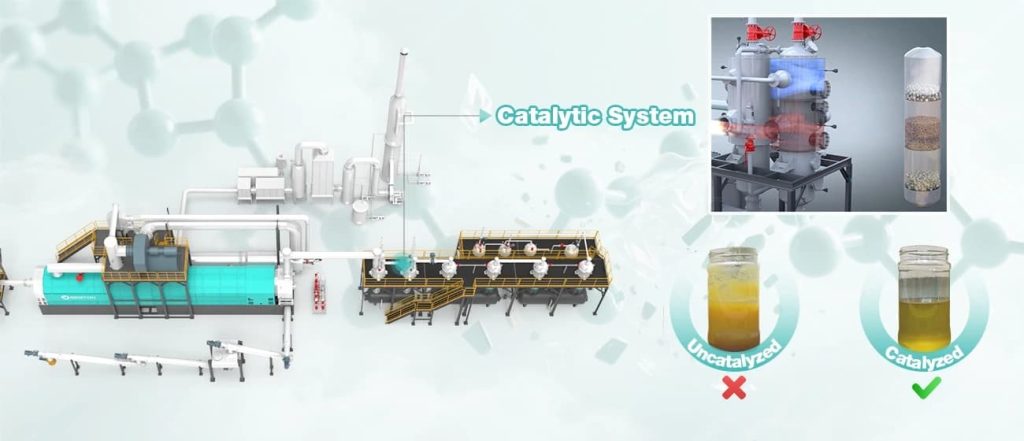
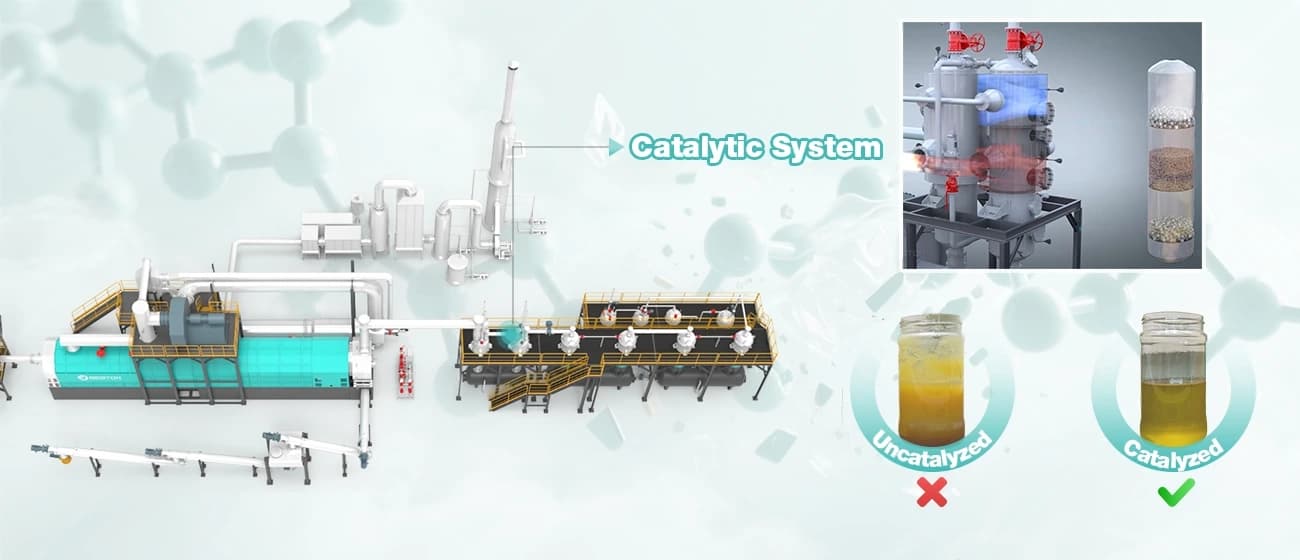
    Catalytic Pyrolysis Technology of Plastic Pyrolysis Plant

    How Catalytic Pyrolysis Works

    Catalytic pyrolysis combines heat and chemical catalysis to optimize the breakdown of plastic polymers.

    Step 1: Feeding and Pre-Treatment
    Waste plastic is shredded, cleaned, and dried to remove moisture and contaminants.

    Step 2: Pyrolysis Reaction
    Inside a sealed reactor, the plastic is heated under oxygen-free conditions. With the help of a solid catalyst (such as zeolite or alumina-based catalysts), long polymer chains are cracked into shorter hydrocarbons.

    Step 3: Vapor Condensation
    The resulting hydrocarbon vapors are cooled in condensers to form liquid pyrolysis oil, while non-condensable gases are recycled as fuel for heating.

    Step 4: Residue Collection
    A small amount of carbon black and solid residues are collected and can be reused for industrial or construction purposes.

    Why Use Catalysts?

    Catalysts play a crucial role in improving both the quality and efficiency of pyrolysis.

    • Lower Reaction Temperature – Catalysts allow cracking reactions to occur at lower temperatures, saving energy and extending equipment life.
    • Faster Reaction Speed – They accelerate polymer breakdown, increasing overall output.
    • Better Oil Quality – Catalytic pyrolysis produces lighter hydrocarbons, closer in composition to commercial diesel or gasoline.
    • Reduced Char Formation – Catalysts minimize solid residues and unwanted by-products.

    Environmental and Economic Benefits

    • Plastic Waste Reduction – Converts non-recyclable plastics into useful resources, preventing landfill overflow.
    • Renewable Energy Source – The produced oil can be refined into diesel, generator fuel, or chemical feedstock.
    • Low Emission Technology – Modern catalytic systems include gas purification and flue gas recovery units, ensuring compliance with global environmental standards.
    • High Profit Potential – Turning waste into oil reduces raw material costs and creates new revenue streams for recycling businesses.

    Future Outlook: Toward a Circular Plastic Economy

    The catalytic plastic pyrolysis machine is a key technology driving the shift toward a circular plastic economy — where waste plastics are no longer discarded but continuously reused as raw materials for new energy and products.

    With continuous improvements in catalyst design, automation, and emission control, pyrolysis technology is becoming cleaner, safer, and more profitable than ever before.

    In the near future, catalytic pyrolysis could transform how the world views plastic — not as waste, but as a renewable resource.

  • From Bamboo to Black Gold: The Eco-Innovation Behind Bamboo Charcoal Machine

    As the global demand for sustainable materials continues to rise, bamboo — often called “green steel” — is gaining attention not only as a construction material but also as a renewable source for charcoal production.
    At the heart of this eco-friendly transformation is the bamboo charcoal making machine, a technology that turns bamboo waste into high-value carbon materials with wide industrial and environmental applications.

    What Is a Bamboo Charcoal Machine?

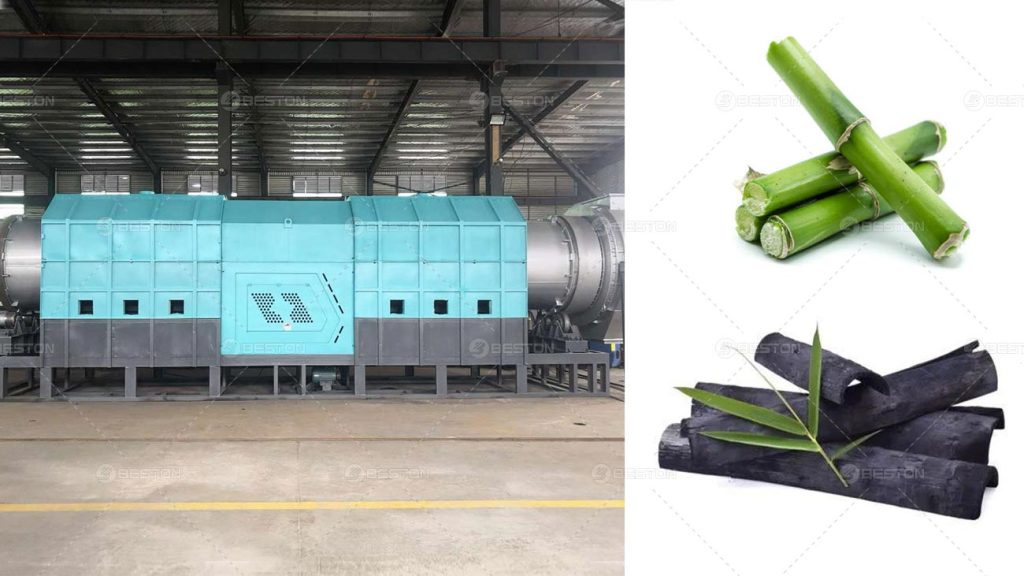
    A bamboo charcoal machine (or bamboo carbonization furnace) uses high-temperature pyrolysis to convert bamboo into charcoal, tar, wood vinegar, and combustible gas.
    Unlike traditional charcoal-making methods, which are inefficient and polluting, modern bamboo charcoal machines operate in a fully sealed, oxygen-free environment — ensuring clean, energy-saving, and continuous production.

    Why Bamboo?

    Bamboo is one of the fastest-growing plants on Earth — some species can grow up to a meter a day. This makes it a highly renewable resource, ideal for sustainable charcoal production.

    Key reasons bamboo is perfect for carbonization:

    • Rapid regeneration – Bamboo can be harvested every 3–5 years without replanting.
    • High carbon content – Produces dense, high-quality charcoal with strong adsorption ability.
    • Low environmental impact – Grows without pesticides and helps absorb CO₂ during growth.

    The Process: From Raw Bamboo to Activated Charcoal

    • Crushing and Drying – Bamboo is cut, crushed, and dried to remove excess moisture.
    • Carbonization – The bamboo is heated in an oxygen-free chamber between 400°C–600°C.
    • Cooling and Collection – The resulting bamboo charcoal is cooled and collected safely.
    • By-product Utilization – Wood vinegar and tar are separated and can be reused or sold.

    Through activation processing, bamboo charcoal can also become activated carbon, widely used for air purification, water filtration, cosmetics, and industrial refining.

    Environmental and Economic Benefits

    • Zero Waste & Low Emissions – Advanced purification systems recycle combustible gas for heating, achieving near-zero pollution.
    • High-Value Products – Bamboo charcoal and bamboo activated carbon sell at premium prices due to their purity and versatility.
    • Energy Efficiency – The system recovers heat and reuses gases, reducing external fuel consumption.
    • Great Business Potential – Growing demand in markets such as Japan, South Korea, and Europe makes bamboo charcoal production a profitable green investment.

    Applications of Bamboo Charcoal

    • Household Use – Odor absorption, humidity control, and cooking fuel.
    • Health & Beauty – Used in toothpaste, face masks, and detox products.
    • Agriculture – Improves soil fertility and microbial balance.
    • Industrial Use – Water and air purification, metallurgy, and energy storage materials.

    A Step Toward a Low-Carbon Future

    The bamboo charcoal making machine is not just an industrial device — it’s a bridge between nature and technology. It embodies the principles of a circular economy, where renewable resources replace non-renewable ones, and waste becomes wealth.

    For businesses and communities committed to sustainability, bamboo charcoal production represents an opportunity to combine environmental responsibility with economic growth — truly turning green ideas into black gold.

  • Catalytic Plastic Pyrolysis: Unraveling the Molecular Magic Behind Waste-to-Energy

    Plastic pyrolysis alone can turn waste into fuel, but without catalysts, the process is messy: it produces a mix of short and long hydrocarbon chains, unwanted byproducts like heavy oils, and requires high temperatures. Catalysts change this game—at the molecular level, they act as “molecular matchmakers,” guiding how plastic polymers break apart and reassemble into valuable fuels. Let’s dive into the atomic-scale details that make catalytic plastic pyrolysis a game-changer for waste management and energy.​

    The Molecular Problem: Why Plain Pyrolysis Falls Short​

    To understand catalysts’ role, start with plastic’s molecular structure. Most plastics (like polyethylene, PE) are long chains of repeating carbon-hydrogen (C-H) units—think of a string of beads, where each bead is a -CH₂- group. In non-catalytic pyrolysis, high heat (400–600°C) randomly snaps these long chains into shorter fragments. But this randomness is a flaw: some fragments are too short (like methane, CH₄, a low-value gas), others too long (heavy waxes that clog equipment), and few match the molecular length of diesel or gasoline (which need 8–16 carbon atoms per molecule).​

    Worse, plastics like polypropylene (PP) have branched molecular structures—extra -CH₃ groups sticking off the main chain. Plain pyrolysis often leaves these branches intact, creating irregular hydrocarbons that don’t burn cleanly in engines. Catalysts fix this by controlling where and how molecular bonds break, and even rearranging atoms to form more useful structures.​

    Catalytic Pyrolysis Technology of Plastic Pyrolysis Plant

    Catalysts at Work: Molecular Scissors and Architects​

    Catalysts for plastic pyrolysis process fall into two main categories, each acting differently at the molecular level: zeolites and metal oxides.​

    Zeolites are porous minerals with a honeycomb-like structure—their tiny pores (just 0.5–1 nanometers wide) act as “molecular sieves.” When plastic chains enter these pores, the zeolite’s acidic sites (places with extra positive charge) target the C-C bonds in the polymer backbone. Instead of random breaks, the zeolite snips the chains at specific points, ensuring most fragments are 8–12 carbon atoms long—perfect for gasoline. It also fixes branching: the acidic sites strip off extra -CH₃ groups from PP chains, turning branched molecules into straight-chain hydrocarbons that burn efficiently.​

    Metal oxides (like ZnO or Al₂O₃) work differently—they act as “hydrogen shuttles.” Plastic chains have lots of C-H bonds, but during pyrolysis, some chains lose hydrogen atoms, forming unstable double bonds (C=C). Metal oxides donate hydrogen atoms to these unstable molecules, turning them into stable alkanes (the main component of diesel). For example, a fragmented PE chain with a C=C bond might react with ZnO: the oxide gives up a hydrogen atom, turning the double bond into a single bond (C-C) and creating a useful diesel molecule. Metal oxides also reduce unwanted byproducts: they trap oxygen-containing molecules (like ketones or acids) that form from plastic additives, preventing them from contaminating the fuel.​

    Beyond Breaking Bonds: Tuning Catalysts for Better Fuels​

    The real power of catalysts lies in their tunability—scientists can tweak their molecular structure to produce specific fuels. For instance, modifying a zeolite’s pore size changes the end product: smaller pores (0.5 nm) favor gasoline (8–10 carbon atoms), while larger pores (0.7 nm) produce more diesel (12–16 carbon atoms). Adding tiny metal particles (like nickel or palladium) to zeolites enhances their ability to remove branches, making the fuel even cleaner.​
    This tunability solves a key problem: different plastics have different molecular structures, so one catalyst can’t handle all. A zeolite optimized for PE (straight chains) might struggle with PVC (which has chlorine atoms). But by combining zeolites with chlorine-trapping metals (like copper), scientists can create catalysts that break down PVC’s C-Cl bonds first, releasing chlorine as a harmless salt before processing the hydrocarbon chain.​

    The Future: Molecular Engineering for Sustainability​

    Catalytic plastic pyrolysis isn’t perfect yet. Over time, catalysts get “poisoned”—carbon deposits (coke) build up on their surface, blocking pores and slowing reactions. But researchers are fighting back: they’re designing catalysts with more stable molecular structures, like core-shell metals (a metal core wrapped in a protective oxide layer) that resist coking.​
    At its heart, catalytic plastic pyrolysis is a molecular dance—catalysts guide plastic’s carbon and hydrogen atoms to rearrange into fuels, turning waste into value. As we refine these molecular tools, we’re not just improving a waste-to-energy process—we’re inching closer to a future where plastic pollution and energy scarcity are solved with the same atomic-level ingenuity.​

  • Agricultural Residues Pyrolysis Recycling — Turning Straw into Valuable Charcoal

    As the global demand for clean and renewable energy grows, agricultural residues pyrolysis recycling has become an innovative and eco-friendly solution. Every year, millions of tons of rice straw, corn stalks, and other crop residues are burned or discarded, releasing harmful gases and wasting valuable biomass resources.

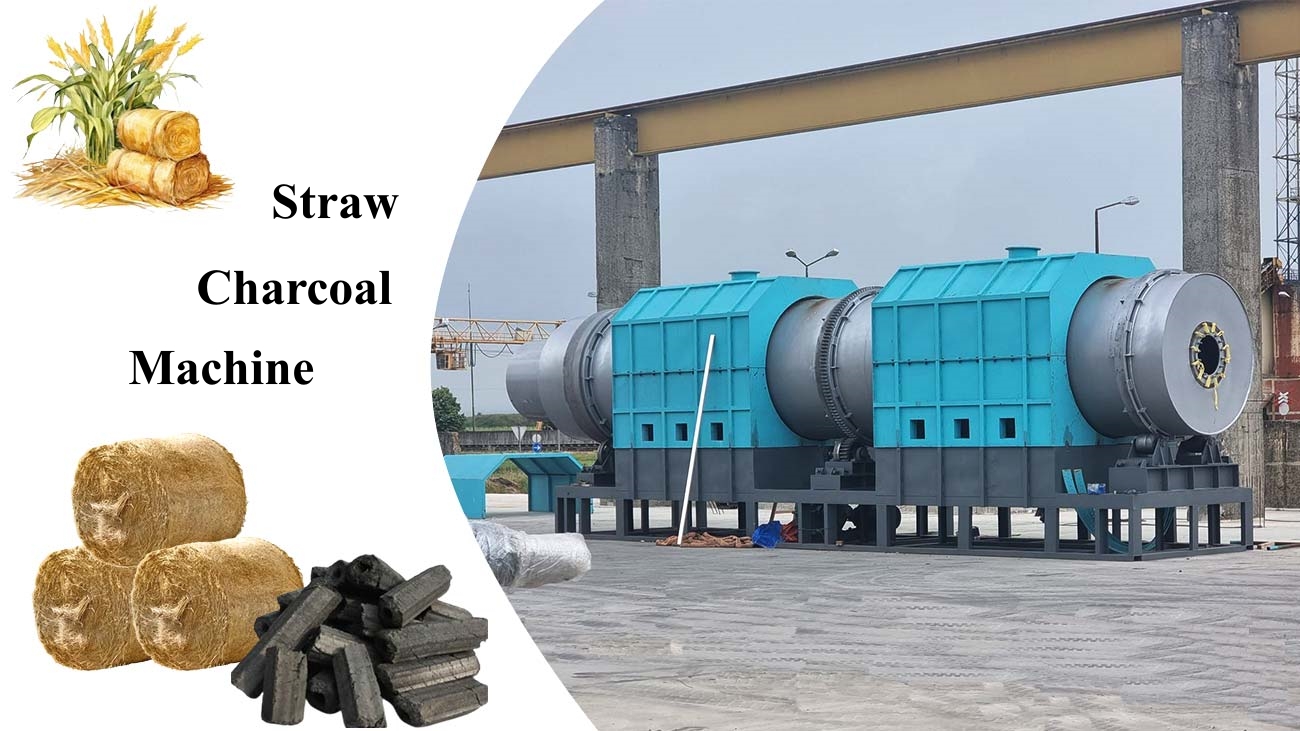
    With modern technology such as the straw charcoal making machine, these agricultural wastes can now be transformed into rice straw charcoal—a clean fuel and a valuable product for both energy and agriculture.

    What Is Agricultural Residues Pyrolysis Recycling?

    Pyrolysis is a process that uses high temperatures in the absence of oxygen to decompose organic materials like straw, husks, or wood chips into charcoal, tar, and syngas.
    When applied to agricultural residues, this technology allows farmers and entrepreneurs to recycle waste into energy, reduce pollution, and even earn extra income.

    In simple terms, agricultural residues pyrolysis recycling turns waste into wealth.

    From Rice Straw to Charcoal — The Process Explained

    Rice straw is one of the most abundant agricultural wastes in the world. Unfortunately, much of it is openly burned, causing severe air pollution. The straw charcoal making machine offers a sustainable alternative through these steps:

    • Collect and Dry Straw: Moisture content is reduced to improve efficiency.
    • Crushing and Feeding: Dried straw is shredded and fed into the pyrolysis reactor.
    • Carbonization (Pyrolysis): At 400–600°C, the straw decomposes into charcoal and combustible gas.
    • Cooling and Discharging: The finished rice straw charcoal is cooled and ready for packaging or further processing.

    This process not only produces charcoal but also captures useful by-products such as biogas and wood vinegar, which can be used for heating or as agricultural inputs.

    The Straw Charcoal Making Machine — Key Equipment for Rice Straw Recycling

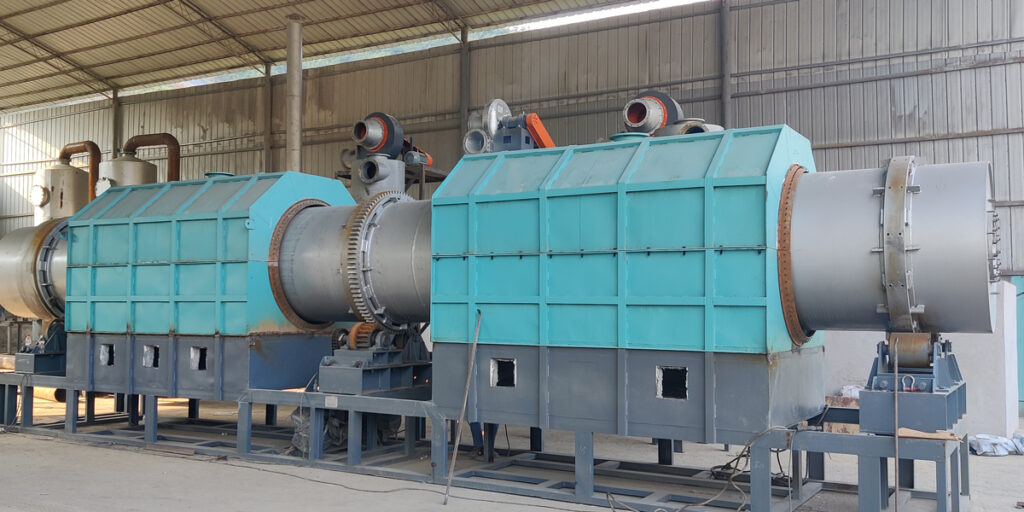
    A straw charcoal making machine (also called a biomass carbonization machine) is the core equipment in agricultural residues recycling.

    Main features:

    • Continuous or batch operation options
    • Energy-efficient heating system (reuses combustible gas)
    • PLC control for stable and safe operation
    • Compatible with rice straw, corn stalks, sawdust, and other crop residues

    With this technology, rice straw recycling becomes an efficient and profitable process, transforming waste into marketable biochar.

    https://bestonpyrolysisplant.com/straw-charcoal-machine/

    Benefits of Rice Straw Recycling and Pyrolysis

    • Environmental Protection: Prevents open burning and reduces CO₂ and PM2.5 emissions.
    • Renewable Energy Source: Produces clean-burning charcoal for BBQs, heating, and industry.
    • Soil Improvement: Rice straw charcoal (biochar) enhances soil fertility and water retention.
    • Economic Opportunity: Creates income for farmers and rural entrepreneurs.

    By investing in straw charcoal making machines, agricultural communities can promote sustainability while developing a circular bioeconomy.

    Market Outlook — Why Invest in Straw Charcoal Production?

    The global demand for biomass charcoal is rising rapidly due to clean energy policies and consumer awareness.
    Countries in Asia, Africa, and Europe are encouraging rice straw recycling projects to reduce pollution and utilize agricultural residues effectively.

    Whether you’re a small farmer or an industrial investor, setting up a rice straw charcoal production line offers strong potential for long-term profit and environmental impact.

    Conclusion

    Agricultural residues pyrolysis recycling is not just a technological innovation—it’s a sustainable business model for the future.

    By using a straw charcoal making machine, we can convert agricultural waste into valuable rice straw charcoal, reduce emissions, and create new economic opportunities for rural communities.

    Turning straw into energy is more than recycling—it’s reshaping the future of green agriculture.

  • The Evolution of Automation and Intelligent Control Systems in Charcoal Making Equipment

    In recent years, the charcoal production industry has undergone a remarkable transformation, moving from traditional, labor-intensive processes to highly automated and intelligent systems. The integration of automation and smart control technologies has not only improved production efficiency but also enhanced product quality, safety, and environmental performance.

    From Manual Operations to Smart Manufacturing

    Traditional charcoal making relied heavily on manual control of temperature, feedstock input, and air supply. These processes were not only time-consuming but also prone to inefficiencies and inconsistent results. The shift toward automation began with the introduction of programmable logic controllers (PLCs), which allowed operators to monitor and adjust key parameters in real-time.

    Today, many modern charcoal making machines are equipped with advanced PLC systems integrated with sensors, actuators, and human-machine interfaces (HMIs). This enables precise control over critical variables such as carbonization temperature, heating time, and gas flow, ensuring stable and uniform charcoal production.

    BST-10-Charcoal-Making-Plant-in-Guizhou-China

    The Role of Artificial Intelligence and IoT

    The next major leap in charcoal manufacturing is the adoption of artificial intelligence (AI) and Internet of Things (IoT) technologies. By connecting machines, sensors, and data analytics platforms, producers can monitor every stage of the carbonization process remotely.

    AI algorithms can predict optimal operating conditions based on real-time data, adjusting temperature or airflow automatically to maximize yield and energy efficiency. IoT-enabled equipment allows for predictive maintenance—identifying potential mechanical issues before they lead to downtime—thereby increasing operational reliability.

    Data-Driven Quality and Energy Efficiency

    Automation has made it possible to collect large volumes of data on process variables such as biomass moisture content, pyrolysis temperature curves, and gas composition. By analyzing these data, manufacturers can fine-tune their systems to improve charcoal quality, reduce energy consumption, and minimize emissions.

    For example, advanced control software can optimize heating profiles based on feedstock type (wood, coconut shells, sawdust, etc.), ensuring complete carbonization without overburning. This leads to a higher yield of high-grade charcoal and cleaner flue gas emissions.

    Safety and Environmental Benefits

    Automated and intelligent control systems also enhance safety by minimizing human exposure to high temperatures and toxic gases. Smart sensors can detect leaks, overheating, or abnormal pressure levels, triggering automatic shutdowns or alarms.

    Moreover, the integration of emission control modules—such as gas recycling and smoke purification units—into automated systems helps ensure compliance with environmental regulations while improving overall sustainability.

    The Future of Smart Charcoal Production

    Looking ahead, the charcoal industry is likely to continue embracing digitalization. Cloud-based monitoring platforms, digital twins, and AI-driven optimization are expected to become standard features of next-generation charcoal production lines.

    As the world moves toward greener energy and circular economy models, automated and intelligent charcoal making equipment will play a crucial role in turning waste biomass into valuable, clean-burning carbon products efficiently and responsibly.