In recent years, the environmental and economic impact of tyre waste has become a growing concern worldwide. Millions of tyres reach the end of their life cycle every year, creating mounting pressure on landfills and incineration systems. Traditional disposal methods often release harmful pollutants, contributing to air and soil contamination. Amid this backdrop, continuous tyre pyrolysis plants have emerged as a promising solution, offering an innovative pathway to not only manage waste but also extract valuable resources from it.
A continuous tyre pyrolysis plant stands out from batch systems due to its scalability and operational efficiency. Instead of processing waste tyres in intermittent cycles, it operates seamlessly, allowing for higher throughput and steady production of pyrolysis oil, carbon black, and steel. This continuous approach is particularly attractive to industries seeking both sustainability and profitability.
One of the most significant advantages lies in the economic potential of the output materials. Pyrolysis oil, for instance, can serve as a substitute for traditional fuel oils in industrial heating or power generation. With rising energy costs and fluctuating crude oil markets, industries are increasingly exploring alternative energy sources. Continuous tyre pyrolysis plants thus not only address waste management challenges but also create opportunities for energy diversification. Carbon black, another byproduct, has applications in rubber manufacturing, inks, and coatings, which positions pyrolysis plants as a supplier to multiple industries. Moreover, the recovery of steel from tyres adds another layer of revenue and resource efficiency.
From an environmental perspective, continuous pyrolysis plant contributes to a circular economy model. By converting waste tyres into usable products, they reduce reliance on virgin resources and lower carbon footprints. Many countries are setting ambitious targets for tyre recycling and sustainable energy, and the adoption of pyrolysis technology aligns well with these policy directions. The reduction of open burning and landfill deposition also mitigates harmful emissions, including dioxins and particulate matter, which are common in conventional disposal methods.
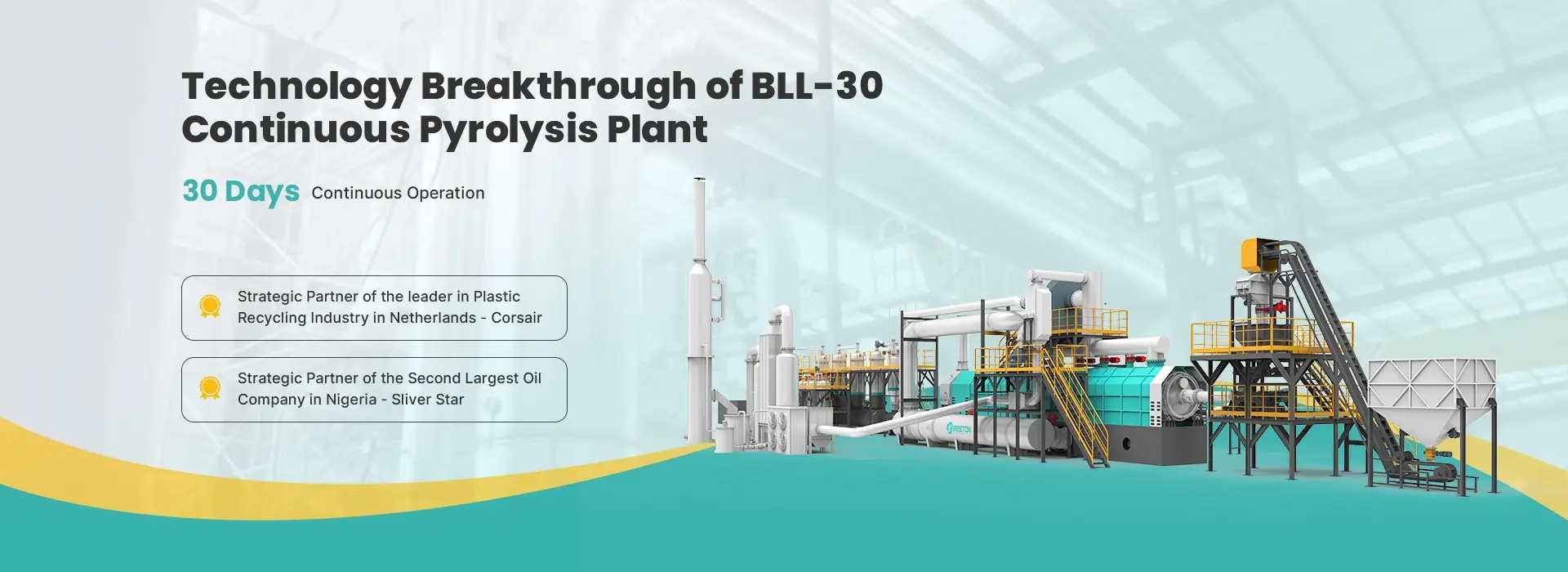
Furthermore, continuous tyre pyrolysis plants are increasingly attracting attention from investors and governments due to their potential for integration with other renewable energy projects. For example, coupling tyre pyrolysis with biomass energy or solar-driven processing can enhance overall energy efficiency while reinforcing environmental compliance. Companies are exploring hybrid models where pyrolysis plants serve as hubs for multiple waste-to-energy operations, creating synergies across different sectors.
Innovation in reactor design and automation also adds a layer of competitiveness to continuous pyrolysis technology. Modern plants incorporate sophisticated monitoring and control systems that optimize reaction conditions, minimize energy consumption, and ensure consistent product quality. Such advancements not only improve operational efficiency but also enhance market credibility, particularly in regions with strict environmental regulations.
The global outlook for continuous tyre pyrolysis plants is promising. As awareness of environmental issues grows and the demand for sustainable materials rises, the industry is poised for steady expansion. Emerging markets in Asia, Europe, and South America are increasingly investing in these technologies, driven by supportive policies, rising energy demands, and industrial diversification goals. Furthermore, research into advanced catalysts and process optimization could enhance the yield and quality of pyrolysis products, making these plants even more economically attractive.
In conclusion, continuous tyre pyrolysis plants are more than just a waste management solution—they are a catalyst for sustainable industrial growth and circular economy adoption. By transforming discarded tyres into valuable resources, these plants offer both environmental benefits and financial opportunities, positioning themselves as a key player in the evolving landscape of renewable energy and industrial sustainability.
Leave a Reply