In today’s world, plastic waste is one of the biggest environmental challenges. With millions of tons of plastic being discarded annually, finding innovative ways to recycle or repurpose this material is critical. A plastic-to-oil machine offers a promising solution, particularly in its continuous form, which allows for large-scale processing with minimal interruption. In this article, we’ll explore how a continuous plastic-to-oil machine works, the amount of waste it can handle, and its oil output efficiency.
1. How the Continuous Plastic-to-Oil Machine Works
A continuous plastic-to-oil machine uses a thermochemical process called pyrolysis to convert waste plastics into valuable fuels, such as diesel or gasoline. The machine heats plastic waste to high temperatures (around 400–500°C) in an oxygen-free environment. This breakdown process results in three main byproducts:
- Pyrolysis oil (liquid fuel)
- Carbon black (a valuable industrial material)
- Syngas (gaseous fuel, often used to power the reactor itself)
The continuous nature of the machine allows it to run non-stop, feeding in plastic waste while simultaneously converting it into these byproducts, making it suitable for high-volume operations.
2. Annual Waste Processing Capacity
A significant advantage of the continuous plastic-to-oil machine is its high capacity for processing plastic waste. In a year, such a machine can eliminate up to 6,000 tons of plastic waste, turning it into useful products instead of leaving it to end up in landfills or the ocean. The continuous operation not only helps tackle the global plastic waste crisis but also creates a sustainable recycling solution for communities and industries.
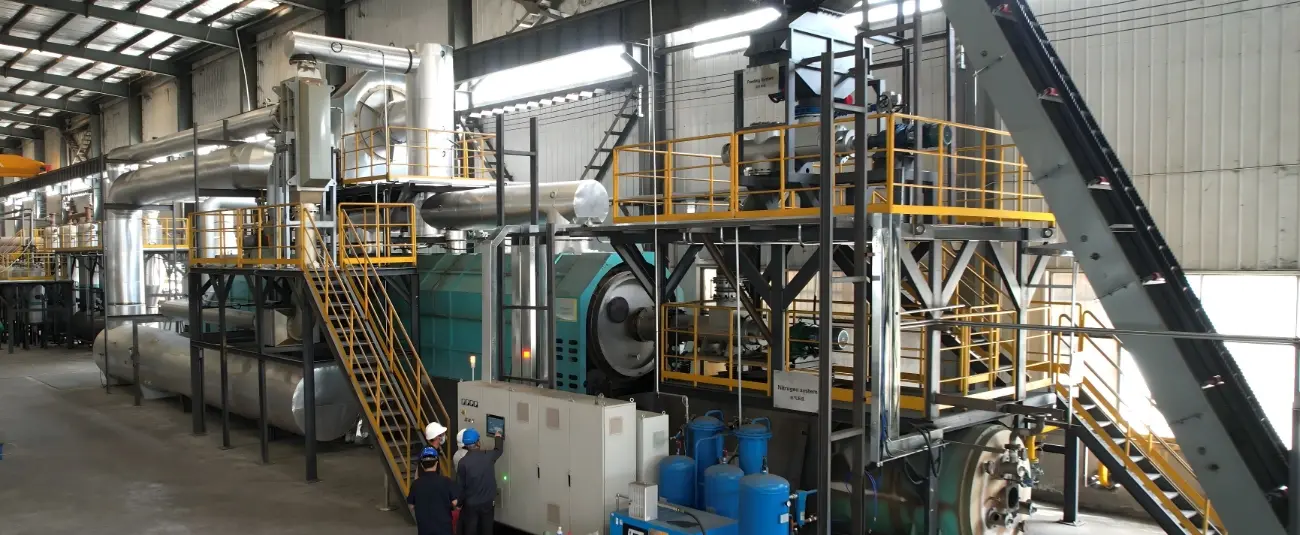
3. Oil Output Efficiency: What You Can Expect
One of the most important questions surrounding plastic-to-oil technology is the oil yield. The efficiency of oil production depends on several factors, such as:
- Type of plastic: Different plastics (PE, PP, PS, etc.) yield different amounts of oil.
- Machine technology: Advanced machines with better heat control and pyrolysis conditions tend to produce higher oil output.
- Quality of the plastic waste: Cleaner, sorted plastics typically yield more oil compared to mixed or contaminated materials.
Generally, the oil yield from a continuous plastic to oil machine ranges from 45% to 80% of the processed plastic weight, depending on the factors mentioned above. For example, if 6,000 tons of plastic waste are processed annually, you can expect an oil output of approximately 2,700 to 4,800 tons of oil each year.
4. The Environmental Impact: A Cleaner Future
By processing waste plastic into oil, these machines not only help reduce plastic waste but also contribute to lowering the environmental burden of fossil fuel extraction. The pyrolysis oil produced can be refined into various types of fuels, reducing the need for petroleum-based products.
Furthermore, the carbon black produced during the process has numerous industrial applications, such as in the manufacture of tires and rubber products. This turns what would otherwise be waste into useful resources, further promoting the circular economy.
5. Conclusion: A Step Toward Sustainable Plastic Waste Management
A continuous plastic-to-oil machine is more than just a recycling tool; it’s a key player in addressing the global plastic waste crisis. With the ability to eliminate 6,000 tons of plastic waste annually and produce high-quality fuels with oil yields ranging from 45% to 80%, these machines are helping turn plastic waste into valuable, usable resources. As technology continues to evolve, the efficiency and capacity of these machines will only improve, offering even greater solutions for waste management and energy production in the future.
Leave a Reply