Every year, millions of waste tires are discarded worldwide, creating a major environmental challenge. Traditional disposal methods such as landfilling and incineration not only waste valuable resources but also pose serious threats to soil, air, and water. Waste tire pyrolysis has emerged as an innovative and sustainable solution, turning end-of-life tires into useful products while reducing pollution.
What Is Tire Pyrolysis?
Tire pyrolysis is a thermochemical process in which waste tires are heated in the absence of oxygen. Unlike incineration, pyrolysis does not burn the tires. Instead, it breaks down rubber polymers into smaller molecules, producing:
- Pyrolysis oil – an alternative fuel or raw material for refining.
- Carbon black – widely used in the rubber, plastic, and pigment industries.
- Steel wire – recycled and reused in the steel industry.
- Syngas – a clean energy source that can power the tyre pyrolysis plant itself.
This closed-loop approach allows maximum resource recovery with minimal waste.
Advantages of Waste Tire Pyrolysis Plant
A waste tire pyrolysis plant offers multiple benefits:
- Environmental protection – prevents tires from piling up in landfills and reduces harmful emissions.
- Energy recovery – converts waste into alternative fuels and industrial raw materials.
- Economic value – creates profitable by-products that can be sold in global markets.
- Sustainability – supports the circular economy by transforming waste into resources.
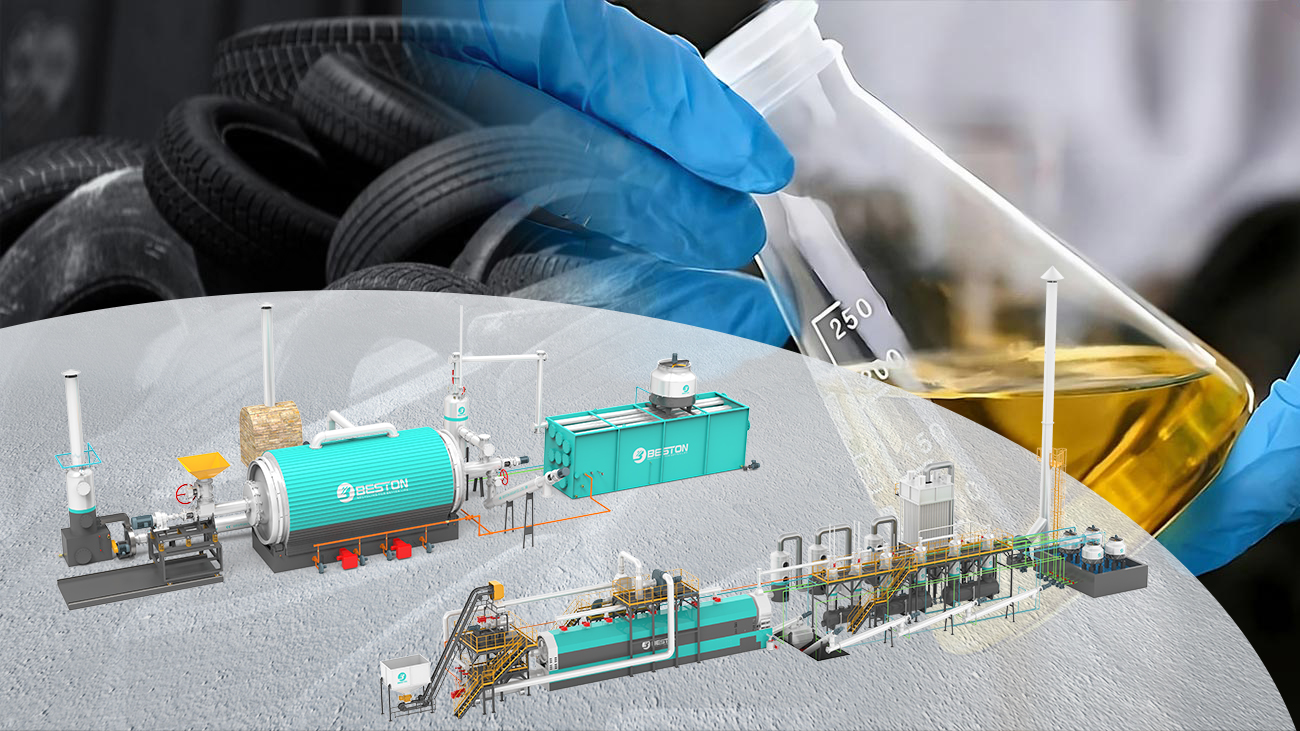
Applications of Pyrolysis Products
- Pyrolysis oil: Can be refined into diesel or used in cement plants, boilers, and power stations.
- Recovered carbon black: Enhances tire production, plastic compounding, and coatings.
- Steel wire: Sent to steel mills for recycling.
- Syngas: Used for electricity generation or heating within the pyrolysis facility.
The Future of Green Tire Recycling
As countries set stricter regulations on waste management and carbon emissions, the demand for tyre pyrolysis plants is expected to rise. Advanced technologies, such as continuous pyrolysis systems, are making the process safer, more efficient, and more eco-friendly.
By turning waste tires into energy and valuable materials, pyrolysis represents a true green recycling path that addresses both environmental and economic challenges.
Leave a Reply