Plastic pollution has become one of the most pressing environmental challenges of our time. Every year, millions of tons of plastic waste end up in landfills, rivers, and oceans, causing serious harm to wildlife and ecosystems. While recycling helps, traditional methods cannot keep up with the growing demand. This is where plastic-to-fuel technology comes into play—a promising solution that can transform plastic waste into usable energy.
What is Plastic-to-Fuel Technology?
Plastic to fuel, also known as plastic pyrolysis, is a process that converts non-recyclable plastics into fuel products such as diesel, gasoline, or kerosene. The process involves heating plastic waste in a controlled, oxygen-free environment, which breaks down long polymer chains into smaller hydrocarbon molecules. These hydrocarbons can then be refined into fuel that powers vehicles, machinery, or even electricity generators.
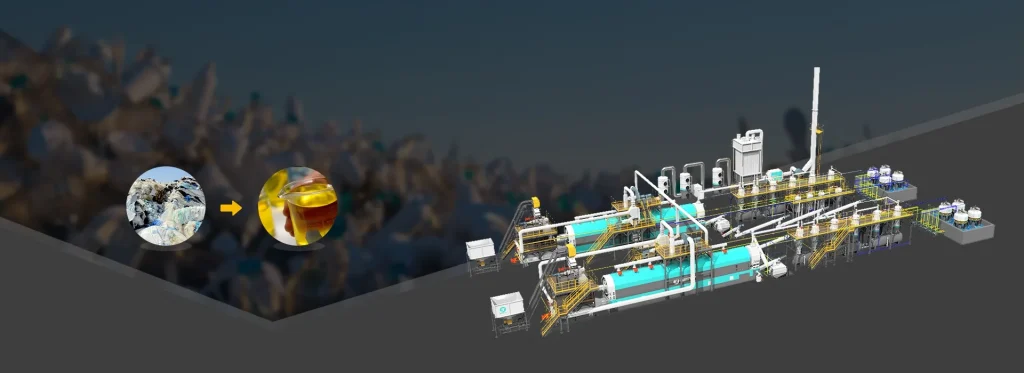
How Does It Work?
- Collection and Sorting – Plastic waste is collected from households, industries, and landfills. Non-recyclable plastics like polyethylene (PE), polypropylene (PP), and polystyrene (PS) are sorted for processing.
- Shredding – The plastic is shredded into smaller pieces to ensure uniform heating.
- Pyrolysis – The shredded plastic is heated in a reactor at high temperatures (usually 300–500°C) without oxygen.
- Condensation – The resulting gases are condensed into liquid fuel, while solid residues (like carbon black) can also be used in other industries.
- Refining – The liquid fuel is refined to meet quality standards and can be used as diesel, gasoline, or industrial fuel.
Benefits of Plastic-to-Fuel Technology
- Reduces Plastic Waste: Converts hard-to-recycle plastics into a valuable resource, keeping them out of landfills and oceans.
- Generates Renewable Energy: Produces fuel that can partially replace fossil fuels, reducing reliance on oil.
- Environmentally Friendly: Helps reduce greenhouse gas emissions compared to incineration of plastics.
- Economic Opportunity: Creates jobs in waste collection, processing, and fuel production sectors.
Challenges and Considerations
While plastic-to-fuel technology has great potential, it is not without challenges:
- Energy Requirements: Pyrolysis requires high temperatures, which can consume significant energy if not managed efficiently.
- Emissions Control: Proper systems must be in place to prevent harmful gases from being released during the process.
- Quality Variability: Different types of plastics produce fuels of varying quality, requiring careful sorting and refining.
The Future of Plastic-to-Fuel
With growing concerns over plastic pollution and energy demand, plastic-to-fuel technology could play a key role in building a circular economy. Researchers are continually improving the efficiency of pyrolysis systems, reducing emissions, and exploring ways to scale the process for industrial use.
In the long term, converting plastic waste into fuel could help address two global crises at once: plastic pollution and energy scarcity. While it’s not a perfect solution, it’s an innovative step toward a more sustainable future.
Leave a Reply