Refinery operations generate large volumes of tank bottom sludge—a dense mixture of oil residues, solids, and water that poses environmental and operational challenges. Traditional disposal methods, such as landfilling or open burning, are increasingly restricted due to stricter environmental regulations. In this context, pyrolysis technology has emerged as a highly effective and sustainable solution. The oil sludge pyrolysis plant is central to this approach, offering both compliance and resource recovery benefits for refining companies.
The Challenge of Tank Bottom Sludge
Tank bottom sludge accumulates in storage tanks during crude oil refining and petroleum product storage. This sludge is hazardous, difficult to handle, and costly to dispose of. Conventional methods not only involve high treatment costs but also carry environmental risks, including soil and water contamination. With tighter regulatory oversight, refining companies are seeking safer, more efficient alternatives.
Pyrolysis as a Sustainable Solution
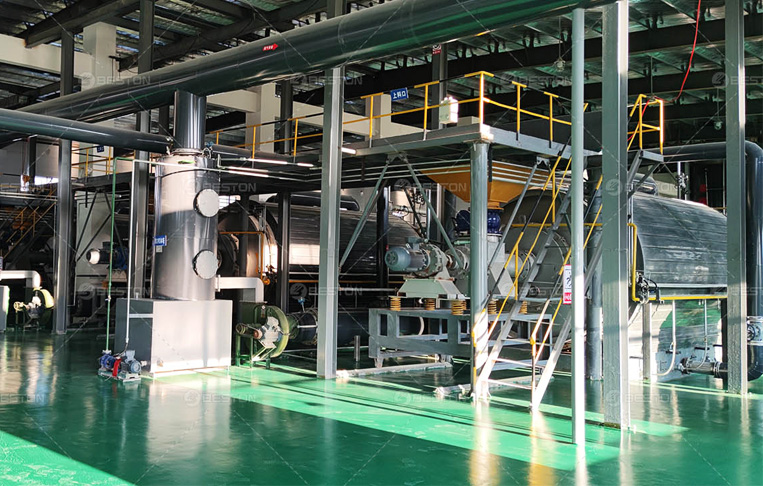
An oil sludge treatment plant thermally decomposes sludge in a controlled, oxygen-limited environment. This process separates hydrocarbons, water, and solid residues, transforming a hazardous waste into recoverable resources. Key advantages include:
- Resource Recovery: Extracted oil and syngas can be reused as fuel or industrial feedstock, turning waste into economic value.
- Environmental Compliance: Solid residues are stabilized, significantly reducing environmental risks and ensuring adherence to stricter disposal regulations.
- Operational Efficiency: Continuous or modular pyrolysis systems allow refineries to process sludge on-site, minimizing transportation and storage costs.
Market and Strategic Implications
With the combination of increasing refinery output and stringent environmental policies, demand for reliable sludge treatment solutions is growing. An oil sludge pyrolysis plant enables refineries to manage tank bottom sludge efficiently while generating byproducts that offset operational costs. Additionally, adopting pyrolysis technology supports corporate sustainability initiatives and enhances environmental, social, and governance (ESG) performance, which is increasingly valued by investors and regulators.
Integration into Refinery Operations
Refineries considering pyrolysis technology should evaluate feedstock composition, plant capacity, and integration with existing waste management processes. Modular and mobile pyrolysis systems can be tailored to facility size and sludge volume, allowing flexible deployment. By aligning operational parameters with refinery schedules, companies can achieve maximum efficiency and consistent output quality.
Conclusion
Tank bottom sludge represents a persistent challenge for refining companies, but pyrolysis technology offers a practical, sustainable, and economically attractive solution. By deploying an oil sludge pyrolysis plant, refineries can transform hazardous waste into recoverable resources, reduce environmental impact, and comply with stricter regulations—all while supporting broader sustainability objectives.
Leave a Reply