As the world grapples with mounting waste and urgent climate goals, the way we handle discarded materials is undergoing a fundamental shift. For decades, incineration has been the go-to technology for treating non-recyclable waste, though it faces growing scrutiny over its emissions and environmental impact. Meanwhile, pyrolysis—a process that transforms waste into valuable resources—is gaining significant attention. This raises a critical question: Could pyrolysis realistically replace incineration as the mainstream waste treatment method of the future? To understand this potential shift, it’s essential to examine how these two technologies differ in their approach and outcomes.
A Clash of Methods: How Pyrolysis and Incineration Differ
At its core, incineration relies on high-temperature combustion with excess oxygen, aiming to reduce waste volume and generate heat or electricity. The process completely oxidizes materials, leaving behind ash and flue gases that require rigorous cleaning to minimize pollutants like dioxins and heavy metals.
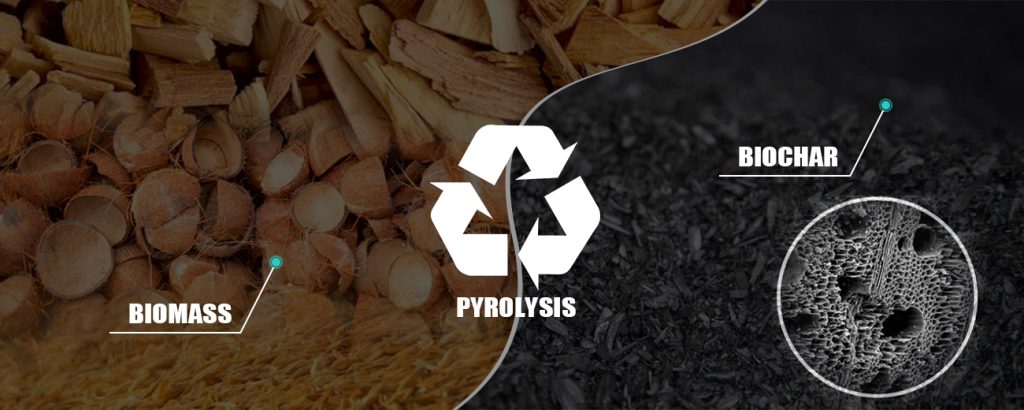
In contrast, pyrolysis operates in the absence of oxygen, using controlled heat to decompose organic materials without burning them. This thermochemical breakdown produces useful outputs: liquid pyrolysis oil, synthetic gas, and solid char. Rather than merely destroying waste, pyrolysis is designed to recover resources, making it inherently more aligned with circular economy principles.
The Case for Pyrolysis: A More Sustainable Alternative?
Proponents argue that pyrolysis offers several compelling advantages that could help it displace incineration over time:
- Resource Recovery Over Destruction: Pyrolysis doesn’t just reduce waste—it converts it. Through plastic/tire/biomass pyrolysis plant, these materials can be turned into fuels, chemicals, or soil-enriching biochar, keeping materials in circulation and reducing reliance on virgin resources.
- Lower Direct Carbon Impact: Since pyrolysis does not involve combustion, it avoids directly releasing fossil-based CO₂ from materials like plastics. When processing biomass, the resulting biochar can even sequester carbon long-term, offering a potential carbon-negative pathway.
- Reduced Emission Concerns: Without open burning, pyrolysis typically generates lower volumes of flue gas and avoids certain pollutants associated with incineration, such as nitrogen oxides from high-temperature combustion. However, it still requires careful management of volatile organic compounds and other process emissions.
- Alignment with Circular Economy Goals: Governments and companies worldwide are committing to circularity. Pyrolysis provides a technical pathway to handle hard-to-recycle waste streams—such as mixed plastics or composite materials—while still recovering value, something incineration cannot do.
The Hurdles: Why Pyrolysis Isn’t the Default Today
Despite its promise, pyrolysis faces significant barriers to mainstream adoption:
- Technological and Economic Maturity: Incineration is a proven, large-scale technology with predictable economics. Advanced pyrolysis systems, especially those designed for heterogeneous waste streams, are still scaling up. The initial investment and operational complexity of pyrolysis equipment can be high, and consistent product quality remains a challenge for some feedstocks.
- Feedstock Dependency: Pyrolysis performs best with well-sorted, relatively consistent waste. In regions without strong waste separation systems, incineration’s ability to handle mixed municipal solid waste gives it a practical advantage.
- Policy and Market Frameworks: Incineration is often integrated into urban energy and waste management plans, sometimes with public funding or long-term contracts. Pyrolysis-derived products like pyrolysis oil need stable market demand and supportive policies—including recognition of chemical recycling—to compete.
- Public and Regulatory Perception: If pyrolysis is used primarily to produce low-grade fuels for burning, its environmental benefits diminish. Clear standards and transparency are needed to ensure it drives genuine material recovery, not just alternative waste disposal.
The Path Forward: Replacement or Evolution?
A straight “replacement” of incineration by pyrolysis is unlikely in the near term. Instead, the future will likely see a redefined division of roles:
Pyrolysis for targeted streams: It may become the preferred method for specific, high-carbon waste like plastics, tires, and clean biomass—turning problem wastes into circular resources.
Incineration as a final-stage solution: Modern, high-efficiency waste-to-energy plants with advanced emission controls may increasingly focus on treating truly non-recyclable residues, possibly integrated with carbon capture technologies.
Integrated systems: The most sustainable approach will combine prevention, reuse, mechanical recycling, pyrolysis for chemical recycling, and minimal, highly controlled incineration for final residues—all within a smart, tiered waste management system.
Conclusion
Pyrolysis has strong potential to become a mainstream solution for certain waste streams, especially as circular economy and decarbonization goals gain traction globally. However, its ability to rival or replace incineration on a broad scale depends on more than technological merit.
Success will require systemic enablers: consistent waste sorting, supportive regulations, market demand for recycled feedstocks, and continued innovation in pyrolysis equipment to improve efficiency and affordability. In the end, the goal is not simply to swap one technology for another, but to transition toward a system where waste is minimized, materials are kept in use, and any required treatment—whether pyrolysis, gasification, or advanced incineration—is aligned with a regenerative, low-carbon future.
Pyrolysis is poised to play a central role in that future, but as part of a diversified, integrated toolkit—not necessarily as the sole successor to incineration.
Leave a Reply