In recent years, the charcoal production industry has undergone a remarkable transformation, moving from traditional, labor-intensive processes to highly automated and intelligent systems. The integration of automation and smart control technologies has not only improved production efficiency but also enhanced product quality, safety, and environmental performance.
From Manual Operations to Smart Manufacturing
Traditional charcoal making relied heavily on manual control of temperature, feedstock input, and air supply. These processes were not only time-consuming but also prone to inefficiencies and inconsistent results. The shift toward automation began with the introduction of programmable logic controllers (PLCs), which allowed operators to monitor and adjust key parameters in real-time.
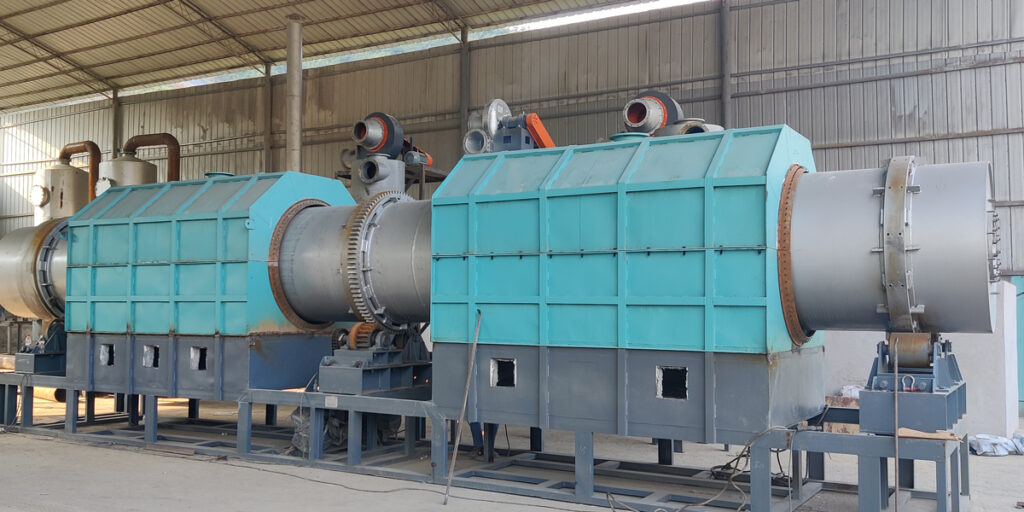
Today, many modern charcoal making machines are equipped with advanced PLC systems integrated with sensors, actuators, and human-machine interfaces (HMIs). This enables precise control over critical variables such as carbonization temperature, heating time, and gas flow, ensuring stable and uniform charcoal production.
The Role of Artificial Intelligence and IoT
The next major leap in charcoal manufacturing is the adoption of artificial intelligence (AI) and Internet of Things (IoT) technologies. By connecting machines, sensors, and data analytics platforms, producers can monitor every stage of the carbonization process remotely.
AI algorithms can predict optimal operating conditions based on real-time data, adjusting temperature or airflow automatically to maximize yield and energy efficiency. IoT-enabled equipment allows for predictive maintenance—identifying potential mechanical issues before they lead to downtime—thereby increasing operational reliability.
Data-Driven Quality and Energy Efficiency
Automation has made it possible to collect large volumes of data on process variables such as biomass moisture content, pyrolysis temperature curves, and gas composition. By analyzing these data, manufacturers can fine-tune their systems to improve charcoal quality, reduce energy consumption, and minimize emissions.
For example, advanced control software can optimize heating profiles based on feedstock type (wood, coconut shells, sawdust, etc.), ensuring complete carbonization without overburning. This leads to a higher yield of high-grade charcoal and cleaner flue gas emissions.
Safety and Environmental Benefits
Automated and intelligent control systems also enhance safety by minimizing human exposure to high temperatures and toxic gases. Smart sensors can detect leaks, overheating, or abnormal pressure levels, triggering automatic shutdowns or alarms.
Moreover, the integration of emission control modules—such as gas recycling and smoke purification units—into automated systems helps ensure compliance with environmental regulations while improving overall sustainability.
The Future of Smart Charcoal Production
Looking ahead, the charcoal industry is likely to continue embracing digitalization. Cloud-based monitoring platforms, digital twins, and AI-driven optimization are expected to become standard features of next-generation charcoal production lines.
As the world moves toward greener energy and circular economy models, automated and intelligent charcoal making equipment will play a crucial role in turning waste biomass into valuable, clean-burning carbon products efficiently and responsibly.
Leave a Reply