When it comes to sustainable energy sources, wood charcoal stands out as one of the most versatile and environmentally friendly fuels available. It has been used for centuries in cooking, heating, and industrial applications, but with modern advancements, its role as a cleaner alternative to fossil fuels is becoming more significant. A key player in the efficient production of wood charcoal is the wood pyrolysis plant, which transforms raw wood into high-quality charcoal through a process known as pyrolysis. This article explores why wood charcoal is considered an excellent fuel, the benefits it offers, and how wood pyrolysis plants are enhancing its production.
What is Wood Charcoal?
Wood charcoal is a carbon-rich, porous material produced by heating wood in the absence of oxygen, a process known as pyrolysis. This method removes volatile compounds such as water, methane, and tar from the wood, leaving behind a solid, carbonized residue that is primarily composed of carbon.
Wood charcoal is an excellent fuel due to its high energy content, low moisture, and minimal ash production when burned. It is commonly used in various applications, including:
- Barbecuing and grilling
- Blacksmithing and metallurgy
- Industrial heating and power generation
- Water filtration and soil amendment (biochar)
Unlike traditional wood, which burns quickly and inefficiently, charcoal has a slower burn rate, making it ideal for sustained heat and high-temperature applications.
Why is Wood Charcoal Considered Excellent Fuel?
- High Energy Efficiency: Wood charcoal has a higher calorific value compared to raw wood, which means it produces more heat per unit of weight. This makes it more efficient for applications that require steady and prolonged heat, such as cooking or industrial processes.
- Cleaner Burning: When properly produced and burned, wood charcoal produces less smoke and fewer pollutants than raw wood. This makes it a cleaner fuel, both for indoor use (such as in stoves and grills) and in industrial applications. The lower smoke emission is particularly important in reducing the environmental and health impacts associated with burning wood.
- Renewable and Sustainable: Wood charcoal is a renewable resource, especially when sourced from sustainably managed forests or agricultural waste. Unlike fossil fuels, which take millions of years to form, wood can be regrown relatively quickly, making charcoal a sustainable option for long-term energy needs.
- Low Ash and Residue: When wood charcoal burns, it leaves behind minimal ash, which is easy to dispose of or repurpose. This makes it ideal for applications where cleanliness and efficiency are important, such as in cooking and high-temperature industrial processes.
- Versatile Use: Apart from being used as a fuel, wood charcoal also finds applications in water filtration, as a soil conditioner (biochar), and even in the production of activated carbon. This versatility increases its value as a resource, making it a multi-purpose commodity.
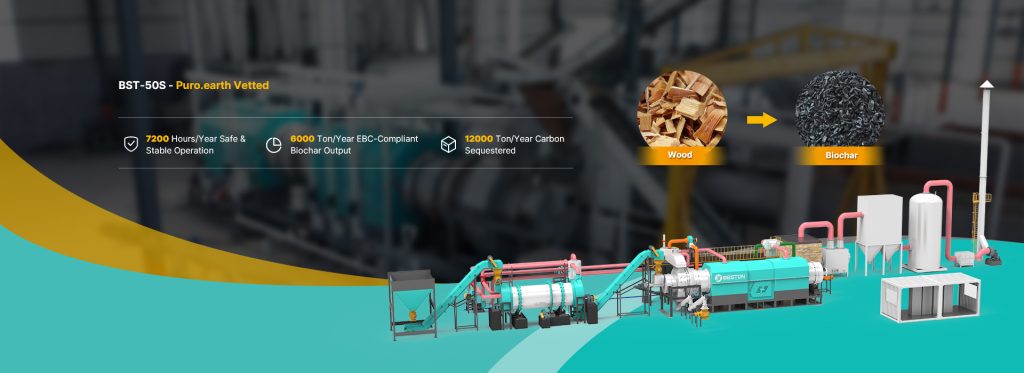
While wood charcoal can be made on a small scale through traditional methods like pit or drum burning, large-scale, efficient production relies on the use of wood pyrolysis plant. These plants utilize advanced pyrolysis technology to convert wood into high-quality charcoal in a controlled and efficient manner.
Conclusion: A Sustainable Fuel for the Future
Wood charcoal produced by wood pyrolysis plants is an excellent fuel that combines high energy efficiency, cleaner burning, and sustainability. As global demand for cleaner, renewable energy sources grows, wood charcoal is positioned to play a key role in both traditional applications like cooking and heating, as well as industrial energy production. The development of modern pyrolysis technology is enhancing the production process, making it more efficient and environmentally friendly, while also contributing to waste reduction and the circular economy. As we look to the future, wood charcoal and the technology that supports its production could play an essential role in building a more sustainable, low-carbon world.
Leave a Reply