Biochar is widely recognized for its role in carbon sequestration, soil improvement, and sustainable agriculture. However, not all biochar is created equal. Its properties—such as surface area, porosity, nutrient content, and stability—can vary significantly depending on production techniques and feedstock preparation. Optimizing these factors ensures that biochar delivers maximum environmental and agricultural benefits. This article explores practical strategies to enhance biochar quality through process parameter adjustments and raw material pretreatment.
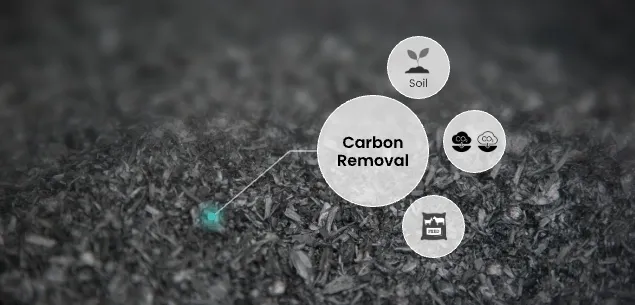
1. Selecting and Preparing Feedstock
The quality of biochar begins with the choice and preparation of biomass. Common feedstocks include crop residues, wood chips, nutshells, and forestry byproducts. Key considerations include:
- Moisture Content: Excess water in feedstock reduces pyrolysis efficiency and can produce biochar with lower carbon content. Drying materials to a moisture level below 15% improves thermal decomposition and biochar consistency.
- Size and Uniformity: Chopping or shredding biomass into smaller, uniform pieces ensures even heating, reducing the occurrence of partially carbonized segments.
- Feedstock Type: Hardwoods and nut shells typically produce biochar with higher density and calorific value, while agricultural residues like straw or husks yield more porous, lightweight biochar. Pre-sorting or mixing feedstocks can balance properties according to the intended application.
2. Optimizing Pyrolysis Parameters
The biochar production process itself has a profound impact on quality. Adjusting key parameters in a controlled pyrolysis system—or biochar pyrolysis machine—can tailor the final product for specific needs:
- Temperature: Higher pyrolysis temperatures (500–700°C) generally increase biochar surface area and carbon content but may reduce volatile nutrients. Lower temperatures (350–450°C) retain more nutrients like potassium and phosphorus, making the biochar more beneficial for soil fertility.
- Heating Rate: Slower heating ensures complete carbonization and improves structural integrity. Rapid heating can produce biochar with uneven properties and more tars.
- Residence Time: Maintaining the biomass at target temperature for an optimal period allows full conversion and increases stability. Short residence times may result in incomplete carbonization and lower quality.
- Oxygen Control: Limiting oxygen prevents combustion and preserves carbon content. Ensuring a well-sealed pyrolysis environment is critical for producing high-quality biochar.
3. Advanced Pretreatment Techniques
Beyond drying and size reduction, several pretreatment methods can further improve biochar quality:
- Washing and Leaching: Removing excess minerals, salts, or contaminants from feedstock prevents undesirable chemical reactions during pyrolysis and enhances biochar purity.
- Torrefaction: Preheating biomass at moderate temperatures (200–300°C) before full pyrolysis can improve energy efficiency and produce biochar with higher carbon stability.
- Additive Incorporation: Mixing feedstock with minerals like clay or phosphates before pyrolysis can enhance nutrient content, porosity, and adsorption properties of the biochar.
4. Balancing Quality for Specific Applications
Biochar applications vary—from soil amendment and water filtration to carbon sequestration and energy production. Adjusting feedstock choice, pretreatment, and pyrolysis parameters allows producers to target specific characteristics:
- Soil Fertility: Retain more nutrients with moderate temperatures and use agricultural residues.
- Carbon Sequestration: Prioritize high-temperature pyrolysis for maximum carbon stability.
- Adsorption or Filtration: Produce highly porous biochar through controlled heating and specific feedstocks like nutshells or hardwoods.
Conclusion
Enhancing biochar quality requires careful attention to both feedstock preparation and pyrolysis process parameters. By controlling moisture, particle size, temperature, heating rate, and residence time—and by applying advanced pretreatment techniques—producers can tailor biochar to meet diverse environmental and agricultural goals. Optimizing these factors not only improves biochar performance but also maximizes the ecological and economic value of this versatile material. More in biochar making machine.
Leave a Reply