When investing in a pyrolysis machine or planning the construction of a full-scale pyrolysis plant, one crucial question often arises: “Do I need an Environmental Impact Assessment (EIA)?” In most regions around the world, the answer is yes.
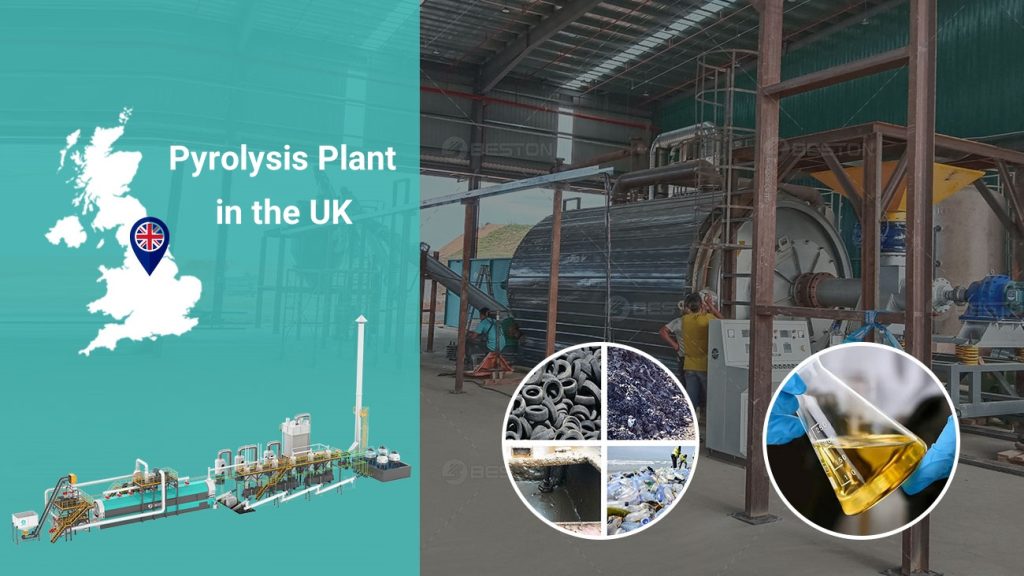
Why an EIA is Required
Pyrolysis machine processes waste materials—such as plastic, tires, biomass, or sludge—into useful products like fuel oil, gas, and carbon black. Although this technology helps reduce waste pollution, the construction and operation of such facilities can influence:
- Air quality
- Water systems
- Soil conditions
- Noise levels
- Community health
To ensure these impacts remain within safe limits, government environmental departments usually require an EIA before approval.
What the EIA Covers
An environmental impact assessment typically evaluates:
- The environmental condition of the site
- Potential emissions and waste streams
- Pollution control technologies (e.g., dust collectors, gas purification systems)
- Safety and fire-prevention measures
- Social impacts on nearby communities
- Plans for emergency response and environmental monitoring
Submitting this assessment demonstrates that the project will comply with local environmental regulations.
Benefits of Conducting an EIA
Although it may appear as an administrative burden, an EIA offers significant advantages:
- Helps secure government permits
- Improves plant design and safety
- Enhances community acceptance
- Reduces operational risks and future penalties
It also builds trust with investors and customers by showing the project is environmentally responsible.
Conclusion
Yes—constructing a pyrolysis plant typically requires an environmental impact assessment. Completing this evaluation not only ensures legal compliance but also promotes sustainable operation and long-term project success.
If you are planning to build a pyrolysis plant, it is wise to consult environmental authorities early and work with qualified engineers or consultants to prepare the required documentation.
Leave a Reply