As the world grapples with the urgent need to mitigate climate change, biochar has emerged as a versatile and promising solution in the carbon sink market. Derived from the thermochemical decomposition of organic materials (biomass) in an oxygen-limited environment—a process called pyrolysis—biochar not only sequesters carbon for centuries but also delivers tangible economic and environmental benefits through its applications. Among the various uses of biochar, two stand out as widely recognized and commercially viable: soil amendment and construction materials. These applications not only leverage biochar’s carbon-storing capacity but also address critical global challenges, from food security to sustainable infrastructure.
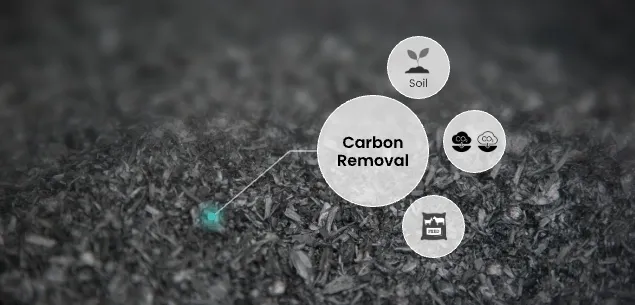
Soil Amendment: Boosting Agricultural Productivity While Sequestering Carbon
Soil amendment remains the most established and extensively studied application of biochar, and its integration into agricultural practices has gained significant traction in the carbon sink market. The unique properties of biochar—including its high porosity, large surface area, and ability to retain nutrients and water—make it an ideal soil additive that enhances soil health and crop yields, all while locking carbon away from the atmosphere.
One of the key benefits of biochar as a soil amendment is its ability to improve soil structure. Its porous nature acts like a sponge, retaining moisture in arid regions and preventing waterlogging in clayey soils. This moisture retention not only reduces irrigation needs but also helps crops withstand droughts, a growing concern amid climate change. Additionally, biochar’s surface area provides a habitat for beneficial microorganisms, which enhance nutrient cycling and reduce the need for synthetic fertilizers. A study by the International Biochar Initiative found that biochar application can increase crop yields by 5% to 30% in nutrient-poor soils, a game-changer for smallholder farmers in developing regions.
From a carbon sink perspective, biochar’s stability is unparalleled. When applied to soil, it can sequester carbon for 1000 years or more, as the pyrolysis process converts labile biomass carbon into recalcitrant carbon that resists decomposition. This dual benefit—agricultural productivity and long-term carbon sequestration—has made soil amendment a cornerstone of biochar carbon credit programs. For example, in Australia, farmers who apply biochar to their soils can earn carbon credits under the Emissions Reduction Fund, creating a financial incentive to adopt the practice.
Construction Materials: Building Sustainable Infrastructure with Carbon Storage
In recent years, biochar’s application in construction materials has emerged as a rapidly growing and innovative segment of the carbon sink market. The construction industry is responsible for approximately 39% of global carbon emissions, making it a critical sector for decarbonization. Biochar’s incorporation into construction materials—such as concrete, mortar, and insulation—offers a way to reduce emissions while sequestering carbon in durable, long-lasting structures.
Concrete is the most widely used construction material globally, and its production (specifically the cement component) releases large amounts of carbon dioxide. Research has shown that biochar can replace up to 10% of cement in concrete mixes without compromising structural integrity. Biochar’s porous structure improves the workability of concrete and enhances its resistance to cracking, as it absorbs excess moisture and reduces shrinkage. Moreover, the carbon in biochar is locked within the concrete for the lifetime of the structure, which can be 50 to 100 years or more. A 2023 study published in Construction and Building Materials demonstrated that biochar-infused concrete can sequester up to 15 kg of carbon per cubic meter, while reducing cement-related emissions by 8% to 12%.
Beyond concrete, biochar is also used in insulation materials. Its high porosity and low thermal conductivity make it an effective insulator, reducing energy consumption for heating and cooling buildings. Biochar-based insulation is often made from agricultural waste, such as rice husks or corn stover, turning waste into a valuable, carbon-negative product. In Europe, several startups have launched biochar insulation products that meet strict building codes, and these products are now eligible for carbon credits under the EU’s Emissions Trading System.
Now you may be interested in biochar production equipment. Both soil amendment and construction materials highlight biochar’s unique ability to turn carbon sequestration into a practical, revenue-generating solution. As governments and corporations ramp up their net-zero commitments, these two applications will play an increasingly vital role in scaling the biochar carbon sink market. By integrating biochar into agriculture and construction, we can not only reduce greenhouse gas emissions but also build more resilient, sustainable systems—proving that climate action and economic prosperity can go hand in hand.
Leave a Reply