Carbonization—the process of converting biomass into charcoal—is an ancient practice that has evolved over centuries. Traditionally, this process was performed using kilns, which, while effective, often come with significant environmental drawbacks. In recent decades, pyrolysis has emerged as a cleaner alternative, offering advantages in efficiency, energy use, and emissions control. In this article, we will explore the differences between pyrolysis and kiln-based carbonization, with a particular focus on why pyrolysis is considered the more environmentally friendly method.
Understanding Kiln Carbonization
Kiln carbonization is the traditional method of producing charcoal. It involves loading wood or other biomass into a sealed or semi-sealed chamber and heating it slowly at high temperatures, typically between 400–700°C, in the absence of oxygen. This process drives off water and volatile compounds, leaving behind carbon-rich charcoal.
While kilns are straightforward and relatively low-cost, they have notable environmental issues. Traditional earth kilns and metal retorts are often inefficient in fuel use, requiring significant amounts of wood to produce a small amount of charcoal. More importantly, they release large quantities of smoke, particulate matter, and volatile organic compounds into the atmosphere. These emissions contribute to air pollution, respiratory health problems, and greenhouse gas accumulation. In regions where kiln carbonization is widespread, such as parts of Africa, Asia, and South America, the environmental impact is amplified by deforestation and unsustainable biomass harvesting.
What Is Pyrolysis?
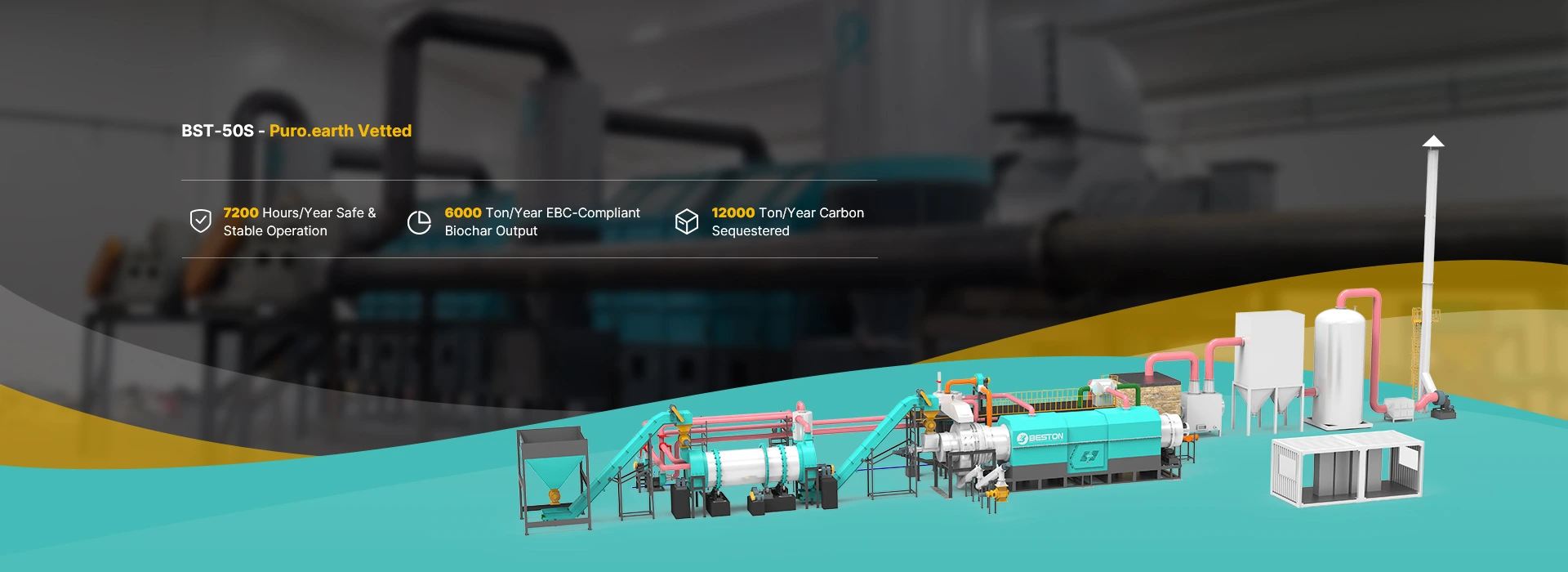
Pyrolysis is a modern thermochemical process that decomposes organic materials at high temperatures in an oxygen-limited environment. Unlike kiln carbonization, pyrolysis is a more controlled process and can be performed in sophisticated reactors or pyrolysis units. It not only produces charcoal but also yields byproducts such as bio-oil and syngas, which can be captured and used as energy sources.
The key to pyrolysis’s environmental advantage lies in its efficiency and control. Pyrolysis reactors are designed to maximize carbon retention in the solid product while minimizing the release of pollutants. The volatile gases generated during pyrolysis are often combusted or converted into energy, rather than being emitted directly into the atmosphere. This contrasts sharply with traditional kilns, where much of the smoke and gases escape uncontrolled. Explore biochar pyrolysis machine.
Environmental Advantages of Pyrolysis
- Reduced Air Pollution: One of the most significant benefits of pyrolysis is its ability to dramatically reduce air pollution. Traditional kilns emit carbon monoxide, methane, and particulate matter in large quantities. Pyrolysis, by capturing and using these gases, lowers emissions and improves air quality. In addition, modern pyrolysis units can be equipped with filters and scrubbers to further minimize the release of harmful compounds.
- Higher Carbon Efficiency: Pyrolysis generally produces more charcoal per unit of biomass than kiln carbonization. This higher efficiency reduces the amount of wood or agricultural residue required, easing pressure on forests and promoting sustainable biomass use. Less fuel consumption means fewer greenhouse gas emissions and less environmental degradation associated with harvesting raw materials.
- Energy Recovery: Pyrolysis produces syngas and bio-oil as byproducts. These substances can be used as renewable energy sources to power the pyrolysis unit itself or other applications. This circular use of energy contrasts with traditional kilns, which lose most of the heat and gases to the atmosphere, making them energetically inefficient.
- Lower Deforestation Impact: Because pyrolysis is more efficient and can use diverse biomass sources—including agricultural residues, sawdust, and even organic waste—it reduces reliance on trees as the primary source of fuel. This shift helps mitigate deforestation and preserves natural ecosystems.
- Potential for Carbon Sequestration: The charcoal produced by pyrolysis has a high fixed carbon content, making it more stable than the output from traditional kilns. When used in soil amendment (biochar), this charcoal can sequester carbon for decades or even centuries, providing an additional environmental benefit.
Conclusion
While traditional kiln carbonization has been used for centuries and remains widespread due to its low initial cost, its environmental drawbacks are increasingly apparent. Air pollution, greenhouse gas emissions, and deforestation make kiln-based charcoal production unsustainable in the long term. Pyrolysis, on the other hand, offers a modern, cleaner, and more efficient alternative. By capturing gases, recovering energy, and reducing biomass consumption, pyrolysis significantly lowers environmental impact. As global demand for sustainable energy and carbon-neutral solutions grows, adopting pyrolysis technology could play a key role in producing charcoal responsibly, protecting forests, and mitigating climate change.
In short, pyrolysis is not just a technical upgrade—it is an environmental necessity. For anyone interested in sustainable charcoal production, the choice is clear: pyrolysis is the greener path forward.
Leave a Reply