The oil sludge pyrolysis process is an essential part of managing industrial waste, specifically the byproducts of petroleum and other hydrocarbon-based industries. This process transforms waste oil sludge into valuable byproducts, such as fuel oil, gas, and carbon black, all while reducing environmental impact. However, operating an oil sludge pyrolysis plant comes with its own set of challenges, particularly in terms of safety and compliance. This blog will highlight the key considerations for ensuring safety and regulatory adherence when running an oil sludge pyrolysis plant.
1. Understanding the Risks: Safety First
Before diving into the operational side of an oil sludge pyrolysis plant, it’s crucial to understand the safety risks involved. Pyrolysis itself involves high temperatures (often exceeding 450°C) and complex chemical reactions that can generate hazardous fumes, gases, and potentially volatile byproducts.
Key safety risks include:
- High-Temperature Hazards: The pyrolysis process involves extremely high temperatures, which can pose a significant risk of fires and burns if equipment fails or is improperly handled.
- Toxic Gas Emissions: The pyrolysis of oil sludge can produce toxic gases, including carbon monoxide, sulfur compounds, and benzene, which can be dangerous if inhaled.
- Equipment Failures: Improper operation or poorly maintained equipment can lead to catastrophic failures such as leaks, explosions, or fires.
To mitigate these risks, plant operators must ensure that all equipment is properly maintained, and safety protocols must be strictly followed.
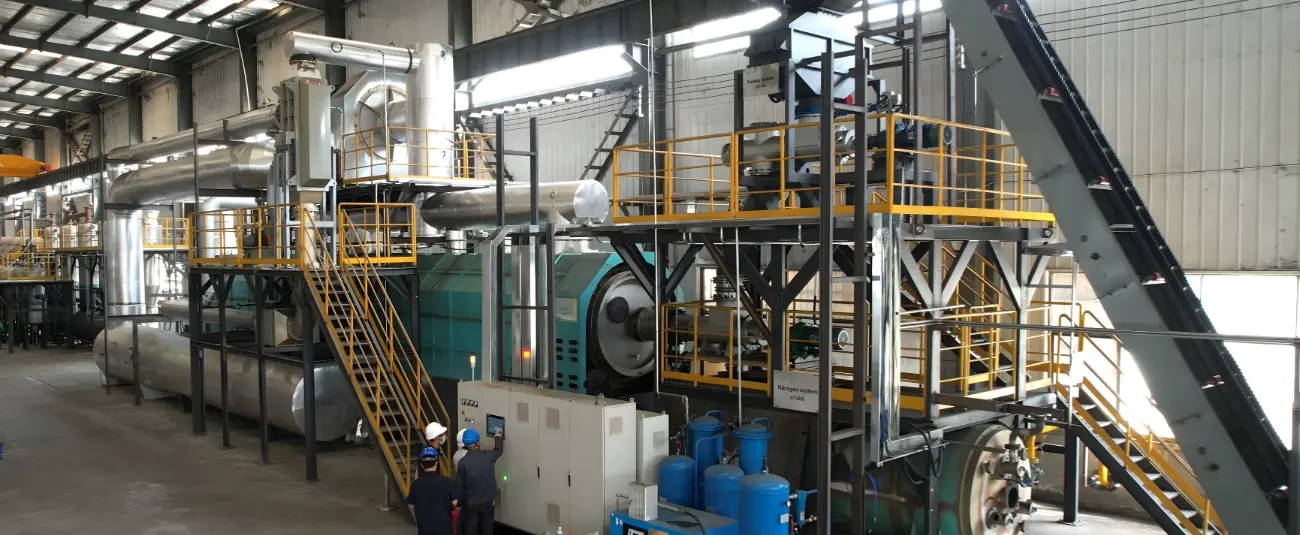
2. Comprehensive Safety Measures
To protect both employees and the environment, a robust safety plan is necessary. Here are some essential safety measures:
- Fire and Explosion Prevention: A thorough understanding of the fire and explosion risks is crucial. All pyrolysis equipment should be fitted with flame arrestors, explosion-proof vents, and automatic shutdown systems to prevent catastrophic failures.
- Leak Detection Systems: Implement gas leak detectors and pressure relief systems to monitor and control the release of harmful gases during the process. Regular inspections are vital to detect any potential issues before they escalate.
- Emergency Response Training: Personnel must undergo rigorous training to respond quickly and effectively in the event of an emergency. This includes evacuation procedures, handling hazardous materials, and using fire suppression systems.
- Personal Protective Equipment (PPE): Workers should always wear appropriate PPE, including heat-resistant gloves, fire-resistant clothing, respiratory protection, and face shields to protect against high heat and harmful chemicals.
3. Regulatory Compliance
Operating an oil sludge pyrolysis plant requires adherence to numerous regulations at local, national, and international levels. Compliance is not just about avoiding fines and penalties but also about ensuring the long-term sustainability of the operation and the environment.
Key regulatory concerns include:
- Emissions Standards: Pyrolysis plants must comply with air quality standards set by environmental agencies. This includes controlling emissions of particulate matter, volatile organic compounds (VOCs), and other harmful pollutants. The use of advanced scrubbers, filters, and condensers is necessary to minimize emissions.
- Waste Management Regulations: Proper disposal of byproducts, including carbon black and other residues, must follow waste management protocols. In many countries, there are strict rules about how waste from pyrolysis plants is treated and disposed of.
- Environmental Impact Assessments (EIA): An EIA is typically required before the construction or expansion of an oil sludge pyrolysis facility. The assessment evaluates the potential environmental impacts and outlines measures to mitigate negative effects.
- Occupational Health and Safety (OHS) Standards: Compliance with OHS regulations is crucial to ensure that the workplace is safe for all employees. This includes proper ventilation, machinery maintenance, and noise control measures.
4. Continuous Monitoring and Reporting
To maintain both safety and regulatory compliance, continuous monitoring of key parameters is essential. This includes monitoring the temperature and pressure of the pyrolysis reactor, air emissions, and chemical outputs. Using automated control systems can help maintain optimal operating conditions and provide real-time data for better decision-making.
Regular reports should also be submitted to regulatory authorities, detailing the plant’s emissions, waste disposal practices, and safety measures. Failure to submit accurate and timely reports could lead to fines or operational shutdowns.
5. Sustainability and Environmental Impact
One of the main advantages of oil sludge pyrolysis is its ability to reduce the environmental impact of waste oil sludge. However, it’s essential to ensure that the entire process remains as environmentally friendly as possible.
Sustainability considerations include:
- Energy Efficiency: The pyrolysis process itself can be energy-intensive. Incorporating energy recovery systems, such as utilizing the waste gas produced during pyrolysis as a fuel source, can improve the overall energy efficiency of the plant.
- Water Usage: Water may be used in cooling systems or cleaning processes. Minimizing water consumption and ensuring wastewater is treated before release can reduce the environmental footprint.
- Carbon Footprint: While pyrolysis reduces the volume of waste, the carbon emissions from the process need to be controlled. Implementing carbon capture technologies or offsetting carbon emissions through green initiatives is critical for meeting sustainability goals.
6. Choosing the Right Technology and Equipment
To achieve optimal safety, efficiency, and compliance, it’s essential to choose the right pyrolysis technology and equipment. The market offers various pyrolysis reactors and systems, each with different features and capabilities. When selecting equipment, consider factors such as:
- Automation and Control Systems: Automated systems help to reduce human error and ensure that all processes are running within safe parameters.
- Materials and Construction Quality: High-quality, durable materials for the construction of reactors and associated equipment can significantly reduce the risk of malfunctions.
- Scalability and Flexibility: A system that can scale to handle increasing volumes of sludge or adapt to changing feedstocks can offer long-term operational benefits.
Conclusion
Operating an oil sludge pyrolysis plant involves a delicate balance of safety, efficiency, and compliance. By understanding the potential risks and implementing effective safety measures, plant operators can protect both personnel and the environment. Additionally, staying on top of regulatory requirements and striving for sustainability will not only help avoid costly fines but also ensure the plant operates in a responsible and efficient manner.
The future of oil sludge pyrolysis looks promising, but it is crucial that operators continue to innovate and adapt to evolving technologies and regulations to stay ahead in this rapidly growing industry.
Leave a Reply