Oil sludge, a byproduct of drilling and production activities, is an inevitable consequence of offshore oil and gas extraction. As offshore platforms continue to play a crucial role in global energy production, managing oil sludge efficiently is becoming a pressing issue. Among the various methods for treating oil sludge, thermal desorption stands out as a highly effective and environmentally friendly solution. In this blog post, we’ll explore the role of thermal desorption in managing oil sludge on offshore platforms and how it is helping to reduce environmental impact and enhance operational efficiency.
What is Oil Sludge and Why Does it Matter?
Oil sludge is a mixture of water, oil, and solid contaminants that accumulates during oil production, drilling, and transportation processes. It is typically made up of a variety of materials, such as hydrocarbons, sand, metal debris, and other organic matter. These materials can be hazardous to both the environment and human health, making proper sludge management crucial.
On offshore platforms, oil sludge can be challenging to manage due to the isolated nature of these operations. The presence of oil sludge not only causes storage and disposal issues but also affects equipment efficiency, leading to maintenance problems and potential risks to the surrounding marine ecosystem.
Why Thermal Desorption is Ideal for Offshore Platforms
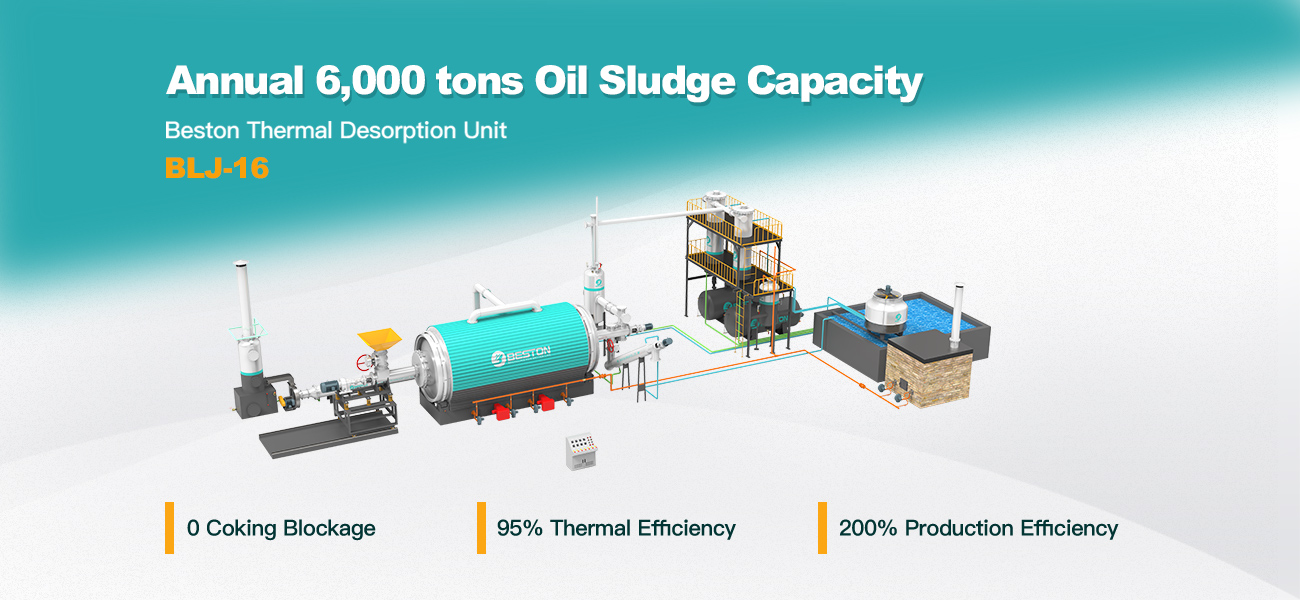
Thermal desorption is a treatment method that uses heat to separate oil from sludge, effectively reducing waste volume and recovering valuable oil. The process involves heating the sludge to high temperatures, causing the oil and other volatile components to vaporize. These vapors are then collected and condensed, separating the oil from the waste solids. The remaining solids, which are now cleaner, can be disposed of safely or repurposed for other uses.
Here’s why thermal desorption is particularly suited to offshore platforms:
- Portability and Compact Design: Offshore platforms have limited space and need equipment that is both compact and efficient. Thermal desorption units can be designed to be modular and easily integrated into offshore operations. Their small footprint and high efficiency make them ideal for handling the continuous sludge production that occurs in offshore oil extraction.
- Energy Efficiency and Flexibility: Thermal desorption units operate at relatively low temperatures and pressures compared to other thermal treatments, like incineration. This makes them more energy-efficient while still achieving high levels of oil recovery. Additionally, these units can be adjusted to suit varying sludge conditions, making them highly flexible.
- Environmental Benefits: One of the main concerns with oil sludge is its potential to harm the marine environment. Traditional disposal methods, like offshore dumping or incineration, can result in pollution and unwanted emissions. Thermal desorption, on the other hand, significantly reduces the environmental impact. By recovering oil and minimizing harmful waste, thermal desorption helps offshore platforms comply with stringent environmental regulations and maintain sustainable practices.
- Reduced Disposal Costs: Offshore oil sludge disposal is expensive and complicated. Thermal desorption reduces the need for expensive offsite disposal, as the recovered oil can be reintegrated into the production process, and the remaining solids can be safely disposed of. This translates into significant cost savings for operators.
- Improved Operational Efficiency: The heat treatment process in thermal desorption also helps break down the contaminants in sludge, preventing them from clogging equipment and reducing maintenance requirements. Cleaner equipment leads to smoother operations and less downtime on offshore platforms.
Real-World Applications: Success Stories in Offshore Sludge Management
Offshore companies are already seeing the benefits of using thermal desorption systems. For example, many oil platforms in the North Sea have integrated thermal desorption units to deal with large quantities of sludge produced during oil drilling. These systems have successfully helped recover oil while reducing the platform’s environmental footprint.
Another notable example comes from an offshore operator in the Gulf of Mexico. By implementing a thermal desorption unit on their platform, they managed to significantly reduce the amount of oil sludge sent to land-based disposal sites, cutting their costs and decreasing the environmental risks associated with waste disposal.
The Future of Oil Sludge Management on Offshore Platforms
As technology evolves, so too does the potential for more efficient and sustainable oil sludge management methods. Thermal desorption is expected to continue playing a significant role in the offshore oil and gas industry, especially as demand for cleaner, more sustainable practices grows. The future may bring even more advanced systems, such as those incorporating automation, artificial intelligence, and data analytics to optimize performance and energy consumption.
Conclusion
Oil sludge management is a critical challenge on offshore platforms, but thermal desorption offers a solution that balances efficiency, cost-effectiveness, and environmental responsibility. By recovering valuable oil and reducing harmful waste, thermal desorption helps offshore operators meet regulatory standards, improve operational efficiency, and contribute to more sustainable offshore oil production.
As the oil and gas industry faces increasing pressure to minimize its environmental impact, thermal desorption is proving to be an indispensable tool for the future of offshore platform operations.
Leave a Reply