As plastic waste continues to overwhelm landfills and pollute oceans, many governments are searching for innovative solutions to reduce environmental damage while creating sustainable energy sources. One of the most promising technologies gaining global attention is the pyrolysis plant, which converts plastic waste into valuable products such as fuel oil, syngas, and char.
Why Governments Support Pyrolysis
Unlike traditional incineration, pyrolysis is a cleaner process that breaks down plastics in the absence of oxygen, minimizing harmful emissions. By encouraging investment in pyrolysis plants, governments can simultaneously address waste management challenges and energy security concerns.
Key benefits include:
- Waste reduction: Diverts large volumes of non-recyclable plastics away from landfills.
- Energy recovery: Produces fuel that can substitute for fossil-based energy.
- Economic potential: Creates jobs in construction, operation, and maintenance of pyrolysis plants.
Policy Tools Accelerating Adoption
Governments around the world are implementing a mix of strategies to accelerate the adoption of pyrolysis:
- Subsidies and Grants – Financial support helps offset the high capital cost of building a pyrolysis plant, making the technology more accessible to private investors.
- Tax Incentives – Tax reductions or credits encourage industries to process plastic waste using advanced recycling methods.
- Green Energy Mandates – Some regions classify pyrolysis-derived fuels as renewable, increasing their market value.
- Strict Waste Regulations – By restricting landfilling and single-use plastics, governments indirectly boost demand for alternative waste treatment methods like pyrolysis.
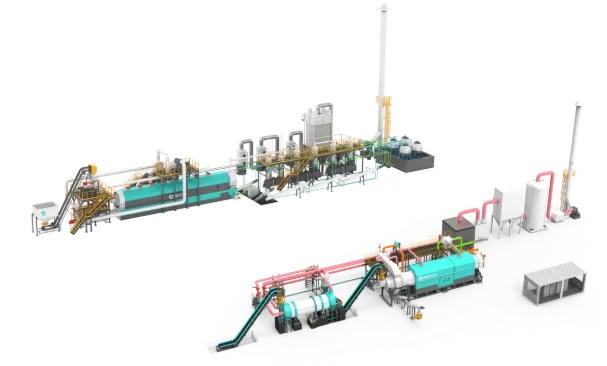
Examples from Around the World
- European Union: The EU’s circular economy action plan promotes chemical recycling, including pyrolysis plants, as part of its plastics strategy.
- United States: Several states have introduced legislation classifying pyrolysis as manufacturing rather than waste disposal, making it easier for plants to obtain permits.
- India: The government offers subsidies to companies setting up small-scale pyrolysis plants for converting plastic waste into fuel oil.
The Road Ahead
While pyrolysis technology is promising, it still faces challenges such as high setup costs, inconsistent product quality, and the need for stronger market demand for pyrolysis oil. Continued government support through targeted subsidies, favorable policies, and R&D funding will be critical for scaling adoption.
In the coming years, the pyrolysis plant may become a cornerstone of global waste-to-energy strategies, helping countries transition toward a more circular and sustainable economy.
Leave a Reply