Under the twin pressures of climate change and food security, the world is searching for a sustainable path that can both reduce greenhouse gas emissions and boost agricultural productivity. Biochar, often called “black gold,” is stepping into the spotlight. Not only can it improve soil and increase yields, but it can also lock away carbon for the long term, helping slow down global warming.
What Is Biochar?
Biochar is a stable carbon-rich material produced from biomass—such as rice husks, crop residues, or wood chips—through pyrolysis in low-oxygen conditions. This process requires biochar pyrolysis equipment, which operates at high temperatures to break down the biomass, trapping carbon in a solid form and preventing it from quickly returning to the atmosphere as carbon dioxide.
How Does Biochar Promote Food Security?
Improving soil structure – Biochar’s porous nature enhances soil aeration and water retention, creating a healthier environment for plant roots.
- Boosting nutrient efficiency – Its surface contains functional groups that can adsorb and slowly release nutrients like nitrogen, phosphorus, and potassium, reducing fertilizer loss.
- Reducing soil acidification – In acidic soils, biochar can help raise pH levels, improving conditions for crop growth.
- These effects mean that even in dry, nutrient-poor, or degraded lands, biochar can significantly increase yields—helping address global food security challenges.
How Does Biochar Help Fight Climate Change?
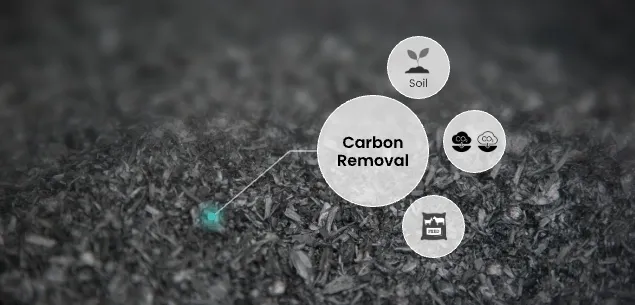
The carbon structure of biochar is extremely stable and can remain in soils for hundreds or even thousands of years, making it a powerful carbon removal technology. Compared with traditional burning or natural decomposition, producing biochar with biochar pyrolysis equipment prevents large amounts of carbon dioxide and methane from being released into the atmosphere. In some projects, biochar applications can even generate carbon credits, providing farmers with an additional income stream.
From the Field to Climate Strategy
In some pilot regions, farmers send crop residues to local facilities equipped with biochar pyrolysis equipment. They receive biochar to improve their soils while also avoiding open-field burning, which improves air quality. This approach is emerging as a win-win model for both reducing emissions and boosting production.
Conclusion
Biochar is not a silver bullet that will change the world overnight, but it is a promising path toward sustainable agriculture and climate mitigation. As more communities adopt biochar pyrolysis equipment and build local circular systems, we move one step closer to a future that is both food-secure and climate-friendly.
Leave a Reply