In recent years, biochar has emerged as more than just an agricultural soil amendment — it’s now at the forefront of climate innovation, industrial applications, and sustainable business models. Produced through the pyrolysis of organic biomass in a controlled, oxygen-limited environment, biochar offers a unique combination of environmental and economic benefits. With growing interest in biochar machines that make production more accessible and scalable, industries are beginning to tap into its full potential.
1. Biochar as a Carbon Removal Tool
One of the most powerful aspects of biochar is its ability to store carbon for hundreds — even thousands — of years. When biomass naturally decomposes, it releases CO₂ back into the atmosphere. However, through pyrolysis, a significant portion of this carbon is locked into a stable, solid form. This process not only prevents emissions but actively removes CO₂ from the carbon cycle, making biochar a verified carbon dioxide removal (CDR) solution.
As climate markets evolve, biochar producers are now generating revenue through carbon credits. Organizations and governments are starting to pay for these credits as part of their climate commitments, turning biochar production into a financially viable carbon removal industry.
2. Agricultural Productivity and Regenerative Farming
Agriculture remains the most well-known application of biochar. When applied to soils, biochar improves water retention, boosts nutrient availability, and fosters beneficial microbial activity. In drought-prone regions, this means greater crop resilience and reduced irrigation needs.
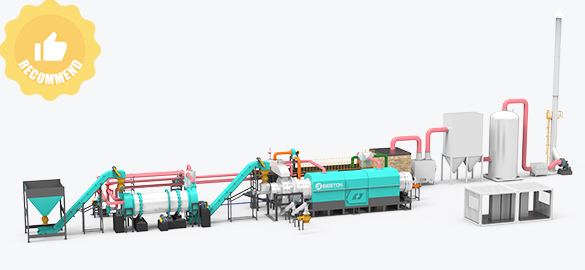
Modern biochar machines have made it easier for farms to integrate on-site production, turning crop residues into valuable soil amendments instead of waste. This not only reduces waste management costs but also closes the loop on agricultural resource use.
3. Biochar in Construction and Building Materials
A growing trend is the use of biochar in green construction. When mixed into concrete, plaster, or bricks, biochar can improve insulation, regulate indoor humidity, and reduce the overall carbon footprint of building materials.
Because biochar is lightweight and porous, it can also enhance the thermal and acoustic properties of construction materials. Startups in sustainable building are already experimenting with large-scale biochar integration, opening new markets for industrial producers.
4. Water Filtration and Environmental Remediation
Biochar’s highly porous structure makes it an effective adsorbent for toxins, heavy metals, and organic pollutants. This has led to its application in:
Drinking water purification
Wastewater treatment
Stormwater management systems
Municipalities and environmental agencies are exploring biochar-based filtration solutions as cost-effective and sustainable alternatives to synthetic filters. For rural communities, portable biochar machines can help produce the material locally for water purification projects.
5. Livestock and Animal Care
When added to animal feed in small quantities, biochar can improve digestion, reduce methane emissions, and even enhance overall livestock health. It also finds use as a bedding additive, reducing odor and absorbing excess moisture in barns and stables.
The livestock sector’s adoption of biochar has a dual benefit: improving animal welfare while mitigating greenhouse gas emissions from manure.
6. Biochar in Energy and Industrial Processes
Biochar production via pyrolysis also generates syngas and bio-oil as byproducts. These can be used to power facilities, making biochar plants more energy self-sufficient. In industrial processes, biochar is being tested as a reducing agent in steelmaking, offering a greener alternative to coal-based methods.
Conclusion: Biochar’s Expanding Horizon
From farming to construction, water treatment to carbon sequestration, biochar’s versatility is unlocking new opportunities for innovation. As climate urgency grows, the technology to produce it — especially with scalable biochar machines — will be a cornerstone in both sustainable industry and climate action strategies.
With the ability to address soil health, waste reduction, carbon storage, and environmental cleanup, biochar isn’t just a product — it’s a cross-sector climate solution with massive untapped potential.
Leave a Reply