In the face of climate change and the growing urgency to reduce carbon emissions, carbon sequestration has become one of the most talked-about solutions for mitigating global warming. Among the various methods being explored, biochar production has emerged as one of the most promising and innovative techniques. Biochar is a form of charcoal produced by heating organic material in the absence of oxygen, a process known as pyrolysis. It is gaining attention not only for its potential to reduce carbon dioxide in the atmosphere but also for its multiple environmental benefits.
What is Biochar and How is it Made?
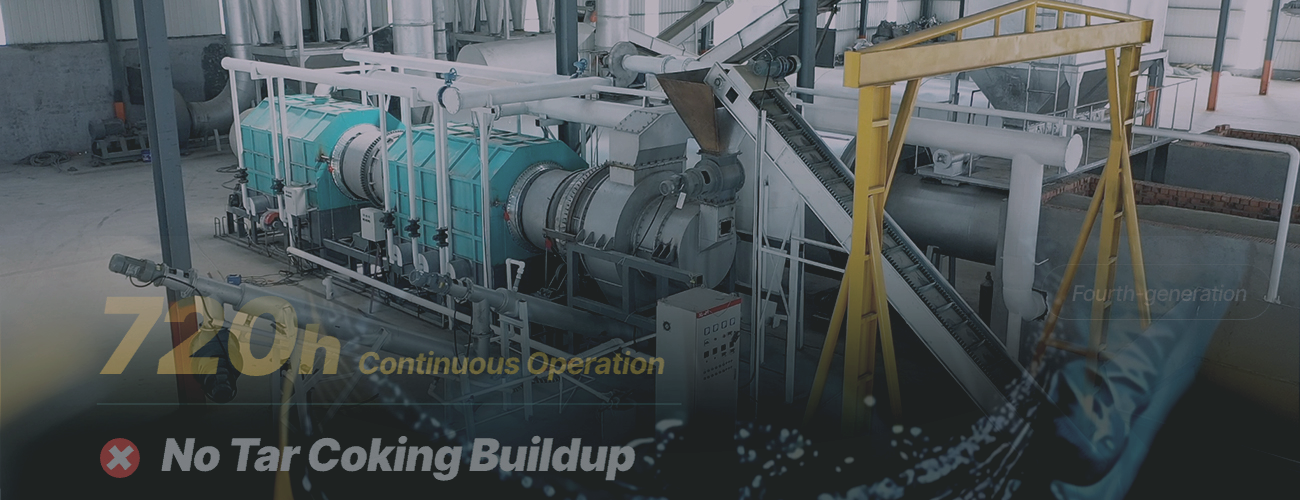
Biochar is produced by heating plant-based materials such as wood, agricultural waste, or biomass in a low-oxygen environment. This pyrolysis process turns the organic matter into a stable form of carbon that can be stored for centuries. Unlike traditional methods of waste disposal, such as burning, biochar locks carbon away from the atmosphere, preventing it from returning as carbon dioxide.
How Does Biochar Contribute to Carbon Sequestration?
The key factor that makes biochar such an attractive option for carbon sequestration is its ability to “trap” carbon. The carbon content in biochar is highly stable, meaning it doesn’t break down easily like other forms of organic matter. When biochar is buried in soil, it effectively stores carbon away from the atmosphere for hundreds or even thousands of years, helping to reduce the concentration of greenhouse gases in the atmosphere.
In addition to locking away carbon, biochar also improves soil fertility by increasing the soil’s capacity to retain water, nutrients, and beneficial microorganisms. This makes it a particularly valuable solution for agricultural applications, turning a waste product into a resource for enhancing soil health.
Environmental Benefits Beyond Carbon Sequestration
While the primary benefit of biochar is its potential to store carbon, its advantages extend far beyond just carbon sequestration:
- Improved Soil Health: Biochar has been shown to improve soil structure, enhance soil moisture retention, and increase nutrient availability. These benefits make it especially useful in areas facing soil degradation, such as arid regions or areas that have been impacted by intensive agricultural practices.
- Reduction of Greenhouse Gas Emissions: Biochar can help reduce the emission of nitrous oxide (N2O) and methane (CH4), both potent greenhouse gases, from agricultural soils. This is especially significant for livestock farming, where manure and waste can release large amounts of methane.
- Waste Management: Biochar production can also serve as a waste management solution. Agricultural waste, forestry residues, and even municipal waste can be converted into biochar, providing a sustainable way to deal with these materials while reducing their environmental impact.
- Renewable Energy: The biochar production equipment used to create biochar also produces syngas and bio-oil, which can be used as renewable energy sources. This creates a circular economy where both energy and carbon storage are achieved from the same process.
Biochar and Climate Policy: A Win-Win Scenario
As nations around the world set ambitious climate goals, biochar is being increasingly recognized as a cost-effective and scalable option for achieving carbon neutrality. Some countries have already begun to include biochar in their national climate strategies, with the potential for large-scale implementation. By turning agricultural waste into biochar, countries can not only sequester carbon but also boost food security and create new economic opportunities in rural areas.
Moreover, biochar can play a crucial role in carbon trading schemes. Its potential to store carbon over the long term makes it an attractive asset for carbon offset programs, which companies can use to meet emission reduction targets.
The Future of Biochar in Carbon Sequestration
Looking ahead, biochar has the potential to become a cornerstone of global carbon sequestration strategies. As research continues and technology advances, biochar production is likely to become more efficient, cost-effective, and widely adopted. Its ability to contribute to both carbon mitigation and soil health makes it an appealing solution for a sustainable future.
In conclusion, biochar offers an innovative and promising method for reducing atmospheric carbon levels while enhancing soil health and providing a sustainable waste management solution. As the world searches for ways to mitigate climate change, biochar production is poised to play a key role in the transition to a greener, more resilient future.
Leave a Reply