As the construction industry seeks greener, more sustainable alternatives to traditional materials, one unlikely candidate is quietly gaining momentum: biochar.
Originally known for its use in agriculture, biochar — a carbon-rich substance produced by heating organic material in the absence of oxygen — is now making its way into green building materials, offering impressive benefits in carbon storage, insulation, and even air purification.
But is this black, powdery material really the future of eco-friendly architecture?
From Soil to Structure: A Material on the Move
For years, biochar has been valued for its ability to enrich soil, retain water, and sequester carbon. What’s changing now is where and how we use it. Architects and material scientists are exploring ways to incorporate biochar into concrete, plaster, bricks, and even insulation panels.
These new applications aren’t just about reducing the carbon footprint of buildings — they’re about storing carbon in the very walls and foundations we live in. A ton of biochar can lock away up to three tons of CO₂ equivalent. That’s a significant opportunity for an industry that currently contributes to over 35% of global CO₂ emissions.
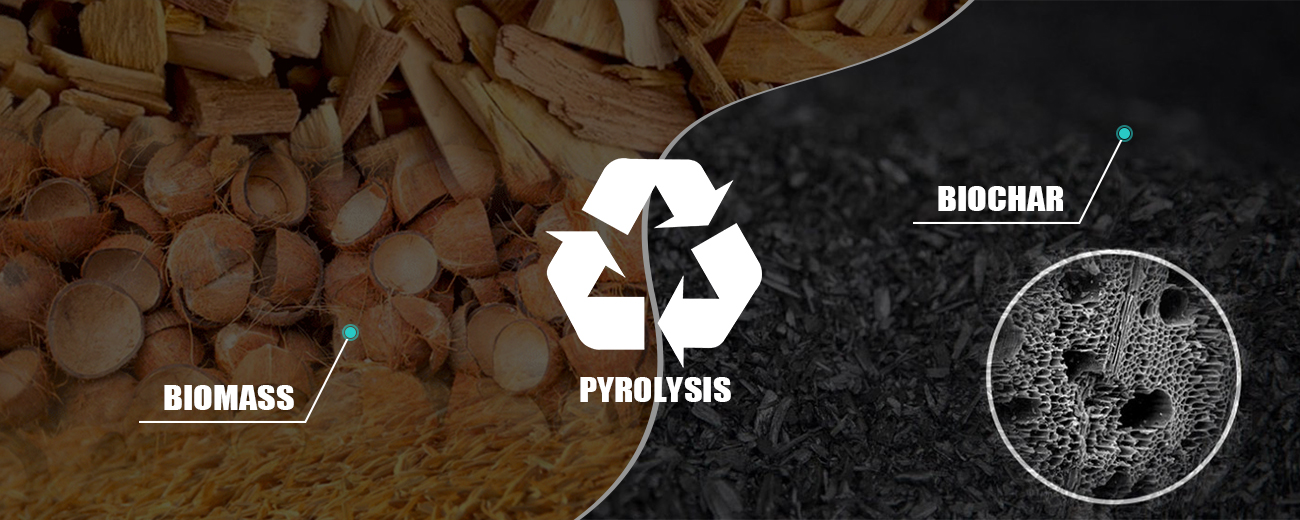
At the heart of this transformation is a key enabler: the biomass pyrolysis machine. By converting agricultural or forestry residues into biochar through controlled thermal decomposition, these machines are making large-scale, carbon-negative material production not only possible, but increasingly affordable.
Why Biochar Works in Construction
You might ask: why would you want to put biochar into a building?
The answer lies in its unique physical properties:
- Porosity: Biochar’s microstructure allows it to trap air, making it an excellent natural insulator.
- Lightweight: It reduces the overall weight of construction materials, lowering transport and structural costs.
- Moisture Regulation: It can help buildings “breathe” by regulating humidity, which improves indoor air quality.
- Carbon Storage: Once integrated into building materials, biochar sequesters carbon for decades or even centuries.
Researchers are experimenting with mixing biochar into cement composites and lime-based plasters, with promising results in thermal performance and durability. None of this would be feasible at scale without efficient, reliable biomass pyrolysis machines processing raw biomass into high-quality, construction-grade biochar.
The Road Ahead
As green building codes become stricter and carbon pricing mechanisms expand, materials that actively store carbon will gain a competitive edge. Biochar could very well become a staple of net-zero construction, helping to build homes and cities that are not just less harmful, but actively beneficial for the planet.
With continued innovation in biomass pyrolysis machines, and growing interest from architects and engineers, biochar is poised to become more than just a soil enhancer — it could be the foundation of the next generation of climate-conscious architecture.
Conclusion
While it may seem unconventional today, biochar has all the qualities to become a major player in sustainable building. Durable, carbon-negative, and made from waste — it checks every box for the future of green construction. As more industries look to decarbonize, integrating biochar produced by biomass pyrolysis machines into building materials might be one of the smartest moves we can make.
Leave a Reply